 Flash News
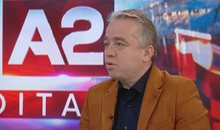
Hysni Gurra: Traditional media have lost public trust, the space for free thought has disappeared

Politiko
2026-06-19 21:50:50
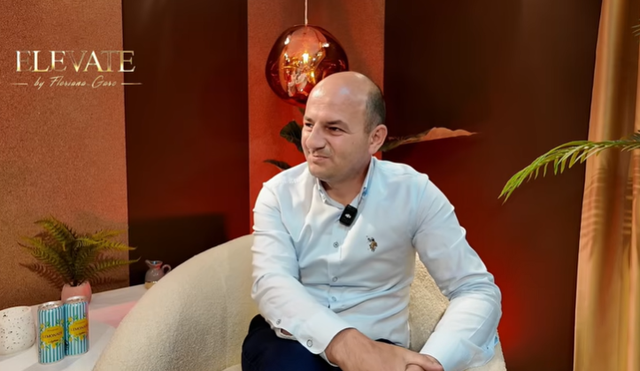
Journalist Hysni Gurra has spoken about his departure from traditional screens and his commitment to the YouTube platform, where he conducts independent interviews and conversations.
On Floriana Garo's "Elevate" podcast, he criticized the state of the Albanian media, emphasizing that they have been recycling the same characters and the same rhetoric for decades, losing the ability to bring new ideas and authentic debate.
He said that the public is tired of popular television formats and attempts to attract audiences through artificial studio clashes.
The journalist emphasized that his YouTube channel does not aim to compete with traditional media, but to create a space where ordinary people, intellectuals, journalists, and various professions, including farmers, can speak out about their problems and reality.
In the interview, Gurra argued that just as Albania has a political elite that has dominated for 35 years, there is also a media elite that functions in symbiosis with politics.
According to him, a part of the media has contributed to the creation and support of the country's political and social reality, turning into a "parallel nomenclature" of politics.
Excerpts from the conversation:
Gurra: That's what I wanted to explain, why traditional media is boring to people, and also to us who work in this, in this sector, who need to have information to be updated. For 35 years, our media has been circulating the same people, who use the same rhetoric, and everything is known. If you tell me that so-and-so is tonight in X studio, I know what it means if you tell me the topic. So there are no, there are no new things anymore, there are no surprises anymore. You've seen them, they're starting to do these jokes on traditional screens, not fighting with each other, you know, to catch an audience, or something. Because no, they don't follow people anymore and people have understood this. Of course, I said it once again, I'm not, they won't disappear, they will continue. We haven't come out to challenge them. For example, I don't call this channel of mine a podcast, nor a show, like that. I call it a conversation with ordinary people, intellectuals, journalists. I'll also include farmers in the conversation. Let's ask them, let's have real-life people, let's know what they do, what problems they have.
Garo: You say that the same people circulate, why do the same people circulate?
Gurra: Because we have just as we have a political elite that has ruled Albania for 35 years, we also have an elite. This elite cannot survive if it does not have a mirror or a screen where it can display its programs, its propaganda, which is the media. These are in symbiosis with each other. Yes, in this last decade, every space for free thought and free speech in the media disappeared. There is no more, no, we no longer have, pressure on journalists, or violence, or who knows what, destruction, failures of broadcasts on channels, these. They simply buy them. They pay them, they buy them, and this, I call the media nomenclature. Just as we have these policies, just as we have this. These are people who have caused damage to Albania, not directly as politics has caused them, let's say it has depopulated it, it has plundered it, it has... it has not provided services, it has not built a livable life for ordinary citizens in Albania. These have influenced making this reality a fact.
Garo: So they have given their support to the deep reality that you are showing.
Gurra: Yes, of course, yes, of course, it is a parallel nomenclature that politics has built. For me too, I think that this has a, it must, it must be said.
Garo: Do you think the public knows this well? I'm not talking about the public that always follows political programs at dinner, but a slightly more carefree public, let's say that it's casual.
Gurra: Now, the public has been educated, so the public is educated. The purpose of the media is to educate the public. And what we said so far is that it has educated it intentionally. I use the terms that I say, it has brainwashed, it has brainwashed people. But, as we are seeing in recent days, there is a public, that careless public that you say, that is not a public that, that has been brainwashed, or that is uninformed, or, let's say, a public that listens to what the television says and says, and that is how it is. This type of public, how is it rising, that protests are emerging? It is rising from social networks, it is not rising from traditional media. So today we have the squares of Europe where there are Albanians and the squares of Tirana and Albania are full of young men and women professionals. Of course, I have another opinion, then, to elaborate a little later on the issue of this, this revolution that these people call the flamingo revolution. But, these people have emerged thanks to new media, thanks to social networks, that's what they were called.
Latest news

Erion Isai's wiretaps/How millions were stolen from the Erseka municipality
2026-06-19 21:26:42
Portugalia kërkon pasuesin e Martínezit, Mourinho del nga gara
2026-06-19 21:07:18
Albania has the highest price for a basic mobile internet package in the Region
2026-06-19 20:48:07
Why people who enjoy solitude are often more self-aware and emotionally strong
2026-06-19 20:28:18
Gjendet i pajetë 62-vjeçari në liqenin e Viroit
2026-06-19 20:03:24
“Rama jep dorëheqjen”, protestuesit marshojnë drejt Kryeministrisë
2026-06-19 19:44:36
Zvicra konfirmon shtyrjen e bisedimeve SHBA-Iran
2026-06-19 19:35:12

Why always saying "YES" at work can turn into a trap
2026-06-19 18:48:46
Fatal accident in Fier-Lushnje, a 35-year-old man loses his life
2026-06-19 18:31:12
Tragedy with two minors in Tale, beach without security guards
2026-06-19 17:57:50

Accident on the Lezhë-Milot highway, 3 injured
2026-06-19 17:20:53
Is climate change strengthening the El Niño phenomenon?
2026-06-19 16:59:07
Israel and Hezbollah reach ceasefire agreement
2026-06-19 16:45:03
DP requests urgent interpellation with Rama regarding the protesters' 5 demands
2026-06-19 16:28:41
How prepared is the Albanian economy for the European market?
2026-06-19 15:55:28
Fight in Ali Demi area, one injured with a knife
2026-06-19 15:35:09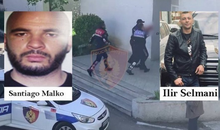
Murder of Santiago Malko, Special Appeal leaves Ilir Selmani under house arrest
2026-06-19 15:20:57
Two children drowned while bathing in the sea on Tale beach
2026-06-19 15:05:03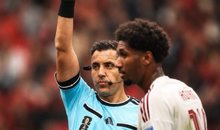
The 2026 World Cup "reds" early, red cards towards a historic record
2026-06-19 14:46:45
Albanian Language and Literature results for the 2026 Matura exam are published
2026-06-19 14:30:48
Two words about the boastful MP
2026-06-19 12:15:43
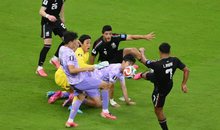
Mexico beats South Korea, advances to World Cup knockout stage
2026-06-19 10:57:14

The Transparency Board ceases to function
2026-06-19 10:17:33
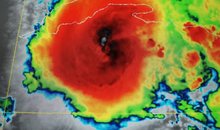
Drought and flooding, scientists warn of the strongest El Niño in 140 years
2026-06-19 09:44:28

Oil in Albania costs 10.5% more than the European average
2026-06-19 09:09:11
Foreign exchange, June 19, 2026
2026-06-19 08:49:46
Protests/ Italian MEP criticizes Rama: Don't ignore citizens' demands
2026-06-19 08:27:27
With stable weather conditions, check out today's weather forecast
2026-06-19 08:12:37
Morning Post/ In 2 lines: What mattered yesterday in Albania
2026-06-19 07:55:49
Edhe makineritë e pajisjet në Shqipëri u kushtojnë bizneseve më shumë se BE
2026-06-18 22:53:17

EU announces strategic discussion on enlargement
2026-06-18 21:10:57
Brazil without Neymar in second World Cup match, striker rested
2026-06-18 20:54:31
Photo/ The moment when Rama's escort quickly leaves the crowd of protesters
2026-06-18 20:12:46
Rama in plenary session, protesters march towards Parliament
2026-06-18 19:27:06


Foods that help protect the skin from the sun
2026-06-18 18:23:48
Rama calls for expanded group meeting, focus on Koçek's departure
2026-06-18 17:48:27
Trump's Iran Deal and the 2015 Nuclear Deal: What's Different This Time?
2026-06-18 17:28:46
Doja "Metamorphosis", GJKKO sentences Pëllumb Gjoka to 6 years in prison
2026-06-18 16:17:35

A dead body was found in Ibë, suspected to belong to Eglant Koçi
2026-06-18 15:51:17
Shehaj against protesters' demands: We will go to the elections with Rama
2026-06-18 15:38:06

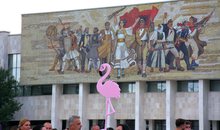
How the protests in Tirana gained international media attention
2026-06-18 14:21:14
Anti-cannabis operation in Kurbin, one person arrested, accomplice sought
2026-06-18 14:00:21
Accident at the entrance to Elbasan, bus collides with fuel sign
2026-06-18 13:51:19
Hegseth explodes against NATO: We are reviewing our presence in Europe
2026-06-18 13:13:44
Excavations reveal mosaics from an early phase of the Elbasan Basilica
2026-06-18 12:55:41
Tensions in the trial against Meta, Kryemadhi and lawyer Cakrani fined
2026-06-18 12:37:26
56 million euros spent, no functional plant: Tirana "floats" in sewage
2026-06-18 12:29:00
The mayor of Roskovec appears before SPAK
2026-06-18 12:19:46
"Don't point the finger at me," parliamentary session is interrupted again
2026-06-18 12:05:28


The banner that "touched" Klosi: Rama or Bela, who was the reason?
2026-06-18 10:41:15