 Flash News
5 'barber houses' discovered in Lezha, two in handcuffs, 4 OSHEE employees prosecuted
EU auditors 'blacken' Albania: Transport projects, slow and unattended
Foreign exchange, how much lek is used to buy and sell major currencies today
"La Roja" strikes first! Spain takes advantage over "The Roosters"
Police provide details from the accident in Cërrik: Two victims and one injured
EU auditors 'blacken' Albania: Transport projects, slow and unattended

Politiko
2026-07-15 09:31:26
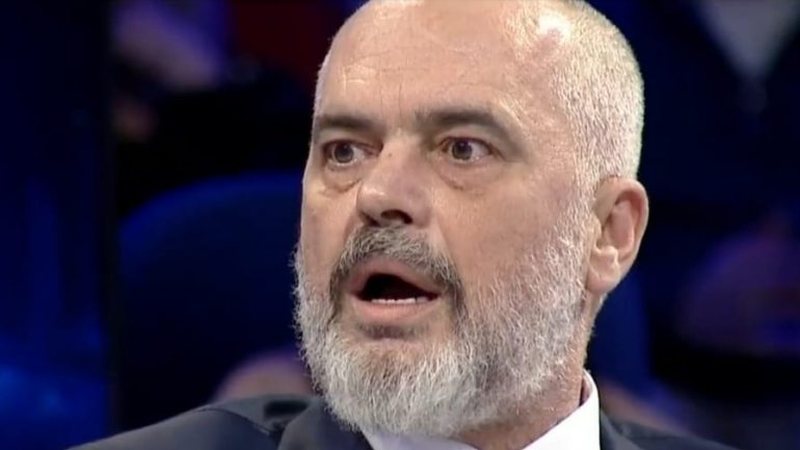
Albania, along with other Western Balkan countries, risks not completing its connection to the main European transport network by 2030, due to long delays in project implementation, shortcomings in their selection, and problems with supervision.
The concern is highlighted in a new report by the European Court of Auditors, ECA, which assessed that transport projects in the region are progressing at a much slower pace than required to meet this decade's objectives.
Albania is one of the six beneficiaries of the Western Balkans Investment Framework, WBIF, along with Bosnia and Herzegovina, Kosovo, Montenegro, North Macedonia and Serbia. Through this platform, the European Union supports the preparation and financing of strategic projects in transport, energy and other sectors.
From 2015 to mid-2025, the European Commission disbursed €527 million for transport projects in the region, being the main contributor to the WBIF. The funding aims to reduce the Western Balkans’ infrastructure gap and connect countries in the region, including Albania, to the main European transport network.
However, according to the auditors, weaknesses in project selection and lack of readiness for their implementation have led to significant delays. The audited projects started on average 17 months later than expected, while many of them faced implementation delays exceeding two years.
A project is considered ready for implementation when the preparatory work has been completed, the documentation is up to date and the technical, financial and administrative issues have been resolved. According to the ECA, in many cases funding has been approved before projects have reached this stage.
“In terms of EU enlargement, well-developed infrastructure is a step towards meeting the accession criteria. Western Balkans transport projects are progressing too slowly to connect the region to the EU during this decade,” said Laima Andrikienė, the ECA member responsible for the report.
She urged the European Commission to improve project selection and monitoring, guarantee the sustainability of investments, and increase the visibility of EU funding in the region.
The report highlights that the European Commission has had limited ability to enforce timely project implementation. According to the auditors, effective procedures for monitoring delays are lacking, while complete information has not been collected on the level of completion of transport corridors or on their compliance with European standards.
The Commission has relied mainly on financial institutions to oversee projects, but in some cases their control has been insufficient. As a result, payments have been made that were not fully justified by the actual progress of the works.
The auditors also found that some WBIF grants were not crucial for the implementation of the investments. In certain cases, loan agreements were signed before the grant application, indicating that the project would have continued even without EU financial support.
For Albania, these issues are particularly important, as improving road and rail connections with countries in the region and with the European Union is part of the integration process and efforts to increase trade, the movement of citizens, and the competitiveness of the economy.
However, the current pace of work shows that Albania and the rest of the region are not on track to meet all the required standards of the main European transport network by 2030./ Monitor
Latest news
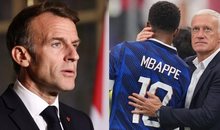
Spain took France 'home', President Macron reacts: Painful defeat!
2026-07-15 10:06:50
Queues, chaos and water shortage, BIRN: Unhappy fans at Kanye West concert
2026-07-15 09:39:33
EU auditors 'blacken' Albania: Transport projects, slow and unattended
2026-07-15 09:31:26

Mbappe admits failure: Spain was better, we didn't play as we should have
2026-07-15 09:04:45
Foreign exchange, how much lek is used to buy and sell major currencies today
2026-07-15 08:28:27
DP convenes National Council today, new leadership team elected
2026-07-15 07:47:58

What is the weather forecast for today?
2026-07-15 07:15:06
Morning Post/ In 2 lines: What mattered yesterday in Albania
2026-07-15 07:01:00
Oyarzabal hyn në histori! Barazon rekordin legjendar të Butragueños
2026-07-14 22:13:12
"La Roja" strikes first! Spain takes advantage over "The Roosters"
2026-07-14 21:40:00
Police provide details from the accident in Cërrik: Two victims and one injured
2026-07-14 21:19:27

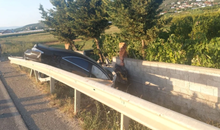
Tragic accident in Cërrik, two cars collide head-on, suspected victims
2026-07-14 19:34:00


Zhupa: Rama is defending concreting, not protected areas
2026-07-14 18:47:00

SPAK sends former mayor of Divjaka, Fredi Kokoneshi, for trial
2026-07-14 17:44:07
Fire near the village of Novoselë, flames approaching homes
2026-07-14 16:57:08
Dictators don't rise alone.
2026-07-14 16:20:00
The graves that Albania has not yet found
2026-07-14 15:40:44
Detoured twice, how the London-Tirana flight turned into a 12-hour nightmare
2026-07-14 14:14:18


The absolute loneliness of women who are "reborn"
2026-07-14 13:40:06
Why are healthy young non-smokers developing lung cancer?
2026-07-14 13:26:53
Why did the Bank of Albania revoke the licenses of 80 foreign exchange offices?
2026-07-14 13:14:00
Arson cases, 29 people arrested and prosecuted in June and July
2026-07-14 13:05:16
Accident at Liqeni i Thatë, young man on motorbike is hit by a vehicle
2026-07-14 12:45:43
INSTAT: Albanian women are aging faster than men, median age exceeds 45 years
2026-07-14 12:21:00

"Get out", Gjiknuri and Manja clash over the draft law on agricultural lands
2026-07-14 11:24:00
Injuring of 22-year-old in Fushë-Krujë, perpetrator arrested
2026-07-14 10:55:08
A pine forest area in Vlora is engulfed in flames, several homes are at risk
2026-07-14 10:28:04
World Cup turns into nightmare for Senegal, sexual harassment allegations raised
2026-07-14 10:20:12



Speaking multiple languages can keep your brain up to 13 years younger
2026-07-14 09:35:11
Strait of Hormuz becomes key battleground again, oil prices rise
2026-07-14 09:20:09

73.4% of Albanians' out-of-pocket health expenses go to medicines
2026-07-14 09:02:28
Over 10,000 dead from extreme heat wave in Europe, elderly most affected
2026-07-14 08:59:36
Foreign exchange, the rate at which foreign currencies are sold and bought
2026-07-14 08:24:50
The ten challenges Spain must win to eliminate France and Mbappé
2026-07-14 08:04:02

Morning Post/ In 2 lines: What mattered yesterday in Albania
2026-07-14 07:00:35
Ukraine strengthens air defense, Macron announces deal for 16 Rafale jets
2026-07-13 22:26:00
Shkullaku: Qeveria përdori koncertin e Kanye West për të eklipsuar protestën
2026-07-13 22:11:36
Conflict between young people in Fushë-Krujë, 22-year-old injured with knife
2026-07-13 21:47:26

Haaland, the phenomenon of the 2026 World Cup
2026-07-13 20:19:12
Citizens take to the streets again, protest enters 44th day
2026-07-13 20:01:25
Large fire in Himara, flames engulf the hills of the Llaman area
2026-07-13 19:28:11
Dutch referee dies, weeks after being banned from 2026 World Cup
2026-07-13 18:22:39
What professions make people the happiest?
2026-07-13 17:51:54