 Flash News
Dictators don't rise alone.
DP condemns Serbian minister's statement: She should be declared "non grata" and indicted for inciting genocide
Koçek reveals behind-the-scenes details of his departure: Some SP colleagues secretly supported me
It is suspected that 3 million euros were stolen, the director of the Post Office in Durrës is dismissed
Why did the Bank of Albania revoke the licenses of 80 foreign exchange offices?
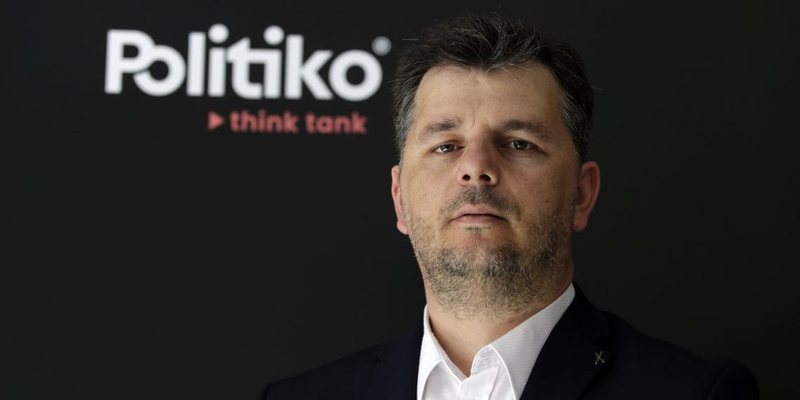
Marcel Lela
There is an illusion that societies cultivate to protect their conscience: that historical tragedies are the work of a single man. As if a nation could be destroyed by the will of one individual, while millions of others remained mere innocent spectators.
But history proves the opposite.
No dictator has become a dictator without people around him who applaud him, who admire and approve of his vision. No tyrant has ruled by force of arms and force alone. Arms create fear, but they are not enough to build a regime that lasts for decades. This requires bureaucrats who sign, intellectuals who justify, journalists who propagate, judges who silence, businessmen who profit, citizens who close their eyes and idealists who blindly believe that they are building a better world.
The political monster is not born alone, its pedestal is not raised alone. It is nurtured.
In Albania, we tend to summarize the entire dark period of the communist dictatorship in a single name: that of Enver Hoxha. Of course, he bears the main responsibility as the head of this political organism. He designed the system, ordered the terror and built the mechanism of repression. But it would be a false consolation to believe that everything was the work of a single man. Who filled the prisons? Who compiled the files? Who spied on the neighbor, the colleague, the cousin? Who remained silent when others were interned? Who accepted the privileges that the system offered in exchange for conscience?
A dictatorship is not just a leader, but an entire culture of collaboration with evil.
Equally dangerous is our current tendency to personify every problem with a political figure.
For some, today the whole problem is called Edi Rama. Tomorrow it will have a different name. But the question remains the same: who keeps him in power? Who votes for him? Who justifies every mistake because "the others are the same"? Who keeps quiet because they are afraid of losing a job, a favor, a contract, a small comfort?
Portreti politik që Edi Rama ka ndërtuar gjatë këtyre viteve nuk mbështetet vetëm mbi pushtetin formal të institucioneve, por mbi një kulturë të tërë pritjeje, nënshtrimi dhe normalizimi. Forca më e madhe e këtij modeli nuk është frika që ai imponon, por lodhja që prodhon tek qytetarët. Shoqëria shqiptare është mësuar me idenë se asgjë nuk ndryshon, se rezistenca është e kotë dhe se kompromisi është mënyra më e mençur për të mbijetuar. Se votat gjithësesi do të blihen, se një dorë e padukshme i lëviz gjërat, që qytetari nuk ka asgjë në dorë për të ndryshuar realitetin. Pikërisht në këtë pikë pushteti bëhet më i rrezikshëm: kur i bind njerëzit se nuk ia vlen më të kundërshtojnë. Dhe Edi Rama ka bërë pikërisht këtë. Për katër mandate ka kryer hapur shkeljet më flagrante që një kryeministër mund të kryejë ndonjëherë, duke krijuar tek shoqëria idenë se është e kotë t’i kundërvihesh.
Në këtë kuptim, Edi Rama është më shumë se një individ; ai është simptoma më e dukshme e një shoqërie që ka toleruar për vite me radhë përqendrimin e pushtetit, personalizimin e institucioneve dhe zëvendësimin e llogaridhënies me kultin e liderit. Sa më shumë që publiku pranon idenë se shteti identifikohet me një njeri të vetëm, aq më shumë dobësohen institucionet dhe aq më pak rëndësi ka se kush do të vijë pas tij. Sepse modeli mbetet i paprekur edhe kur ndryshon emri në derën e kryeministrisë.
Demokracitë nuk rrënohen vetëm nga ambicia e liderëve. Ato rrënohen edhe nga indiferenca e qytetarëve.
Historia na mëson se shoqëritë rrallë humbin lirinë menjëherë. Ajo humbet pak nga pak, sa herë që e vërteta sakrifikohet për interesin personal, sa herë që dinjiteti shitet për një privilegj të vogël, sa herë që bindja zëvendësohet nga konformizmi. Njerëzit nuk bëhen bashkëpunëtorë të së keqes domosdoshmërisht nga ligësia; shpesh bëhen nga oportunizmi. Dhe oportunizmi është një nga forcat më shkatërrimtare në histori.
Ekziston edhe një kategori tjetër: idealistët e verbër. Ata nuk përfitojnë domosdoshmërisht nga regjimi; ata besojnë tek ai. Ata janë të bindur se qëllimi i madh justifikon çdo mjet. Pikërisht kjo i bën të rrezikshëm. Ata falin padrejtësinë në emër të një utopie. Heshtin përballë dhunës sepse mendojnë se është e përkohshme. Mbrojnë liderin edhe kur faktet e rrëzojnë, sepse kanë investuar identitetin e tyre tek ai. Fanatizmi politik, njësoj si fanatizmi fetar, e bën njeriun të paaftë të dallojë të mirën nga e keqja.
Edmund Burke shkroi se "e vetmja gjë e nevojshme që e keqja të triumfojë është që njerëzit e mirë të mos bëjnë asgjë". Edhe nëse kjo fjali nuk mund të dokumentohet me siguri si e tij, e vërteta që përmban mbetet e fuqishme. Tirania nuk fiton vetëm nga forca e tiranit; ajo fiton nga dobësia morale e shoqërisë.
Prandaj pyetja më e rëndësishme nuk është vetëm: "Kush është diktatori?" Pyetja është: "Çfarë lloj shoqërie e bëri të mundur ngeritjen e tij?"
Because when a nation puts all the blame on one man, it risks learning nothing from history. It only expects the leader's name to change, while maintaining the same habits: servility, silence, worship of power, selling conscience for petty interests.
And then history doesn't repeat itself because a new dictator is born. It repeats itself because the same society remains ready to produce it.
Hannah Arendt observed that evil often does not come with the face of a monster. It comes with the face of the ordinary man who has stopped thinking. The man who no longer asks whether something is right, but only whether it is convenient, safe, or acceptable. Societies do not become dangerous only when they are filled with evil people; they become dangerous when they are filled with people who have abdicated the moral responsibility to judge.
Solzhenitsyn wrote that the line separating good from evil does not pass between classes, nations, or political parties; it passes through the heart of every person. This is why no society is forever immune to tyranny. Each generation must first gain freedom within itself, by rejecting lies, no matter how useful or comfortable they may be. A people that learns to live with lies will sooner or later also learn to live without freedom.
Authoritarian regimes do not need the majority of people to be fanatics. They only need the majority to be tired, cynical, or disinterested. When the citizen convinces himself that "it's not worth talking about," that "nothing changes," or that "let someone else do it," he has unwittingly become the most valuable ally of any power that knows no boundaries.
Latest news
Fire near the village of Novoselë, flames approaching homes
2026-07-14 16:57:08
Dictators don't rise alone.
2026-07-14 16:20:00
The graves that Albania has not yet found
2026-07-14 15:40:44

Detoured twice, how the London-Tirana flight turned into a 12-hour nightmare
2026-07-14 14:14:18


The absolute loneliness of women who are "reborn"
2026-07-14 13:40:06
Why are healthy young non-smokers developing lung cancer?
2026-07-14 13:26:53
Why did the Bank of Albania revoke the licenses of 80 foreign exchange offices?
2026-07-14 13:14:00
Arson cases, 29 people arrested and prosecuted in June and July
2026-07-14 13:05:16

Accident at Liqeni i Thatë, young man on motorbike is hit by a vehicle
2026-07-14 12:45:43
INSTAT: Albanian women are aging faster than men, median age exceeds 45 years
2026-07-14 12:21:00


"Get out", Gjiknuri and Manja clash over the draft law on agricultural lands
2026-07-14 11:24:00

Injuring of 22-year-old in Fushë-Krujë, perpetrator arrested
2026-07-14 10:55:08

A pine forest area in Vlora is engulfed in flames, several homes are at risk
2026-07-14 10:28:04
World Cup turns into nightmare for Senegal, sexual harassment allegations raised
2026-07-14 10:20:12


Speaking multiple languages can keep your brain up to 13 years younger
2026-07-14 09:35:11
Strait of Hormuz becomes key battleground again, oil prices rise
2026-07-14 09:20:09

73.4% of Albanians' out-of-pocket health expenses go to medicines
2026-07-14 09:02:28
Over 10,000 dead from extreme heat wave in Europe, elderly most affected
2026-07-14 08:59:36

Foreign exchange, the rate at which foreign currencies are sold and bought
2026-07-14 08:24:50
The ten challenges Spain must win to eliminate France and Mbappé
2026-07-14 08:04:02

Morning Post/ In 2 lines: What mattered yesterday in Albania
2026-07-14 07:00:35
Ukraine strengthens air defense, Macron announces deal for 16 Rafale jets
2026-07-13 22:26:00
Shkullaku: Qeveria përdori koncertin e Kanye West për të eklipsuar protestën
2026-07-13 22:11:36
Conflict between young people in Fushë-Krujë, 22-year-old injured with knife
2026-07-13 21:47:26

Haaland, the phenomenon of the 2026 World Cup
2026-07-13 20:19:12
Citizens take to the streets again, protest enters 44th day
2026-07-13 20:01:25
Large fire in Himara, flames engulf the hills of the Llaman area
2026-07-13 19:28:11

Dutch referee dies, weeks after being banned from 2026 World Cup
2026-07-13 18:22:39
What professions make people the happiest?
2026-07-13 17:51:54


Brazil still in crisis, fans attack Federation after motivational video
2026-07-13 16:42:07
The Special Court returns the file against former mayor Elvis Roshi to SPAK
2026-07-13 16:22:11
IDC-CDI meets in Brussels, Berisha participates as Vice President
2026-07-13 16:05:10
"Washington Examiner": Anger against Rama's enrichment has reached its peak
2026-07-13 14:28:00
Here are the years of imprisonment requested for Monika's mother
2026-07-13 14:09:46
EU appoints German diplomat as new special envoy for Kosovo
2026-07-13 13:55:29


Property alienation in Durrës/ Court confirms security measures for suspects
2026-07-13 13:25:00
70 people with poisoning symptoms in Pristina, 22 hospitalized
2026-07-13 13:16:00


Erkin Lika's lifeless body found after falling into Mat River sinkhole
2026-07-13 12:32:00
Over 500 babies named after Haaland after World Cup matches
2026-07-13 12:28:00
18 arrested in Spain, who is the Albanian known as 'Daci'?
2026-07-13 12:22:00
4.2 million euros for Kanye West, DP reports Rama and Gonxha to SPAK
2026-07-13 11:27:03



Heatwave hits Germany, over 5,400 heat-related deaths
2026-07-10 10:45:33
Land in "foreign hands"
2026-07-10 10:26:15
Mbappe the hero of France, the "Roosters" knock out Morocco in the quarterfinals
2026-07-10 09:54:33
Durrës/ 40-year-old man stabs his wife
2026-07-10 09:48:03


How much could the amount of drug money in the Albanian economy be?!
2026-07-10 09:08:34
Government reduces funds for farmers, increases ADF by 75 million euros
2026-07-10 08:55:46
Horoscope, get to know the star forecast
2026-07-10 08:32:54