 Flash News
Shots fired at a bar in Elbasan, waiter injured
MEP warns Rama: EU is following the money, there will be consequences
Fire along the Fier-Vlora highway, making vehicle traffic difficult
Albanian arrested in Italy after 14 years for drug conviction
Institute of Geosciences: Tuesday is expected to be critical, these are the 9 regions at risk
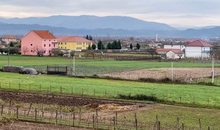
Two laws that do not solve the real problems of Albanian agriculture

Politiko
2026-07-20 13:59:00
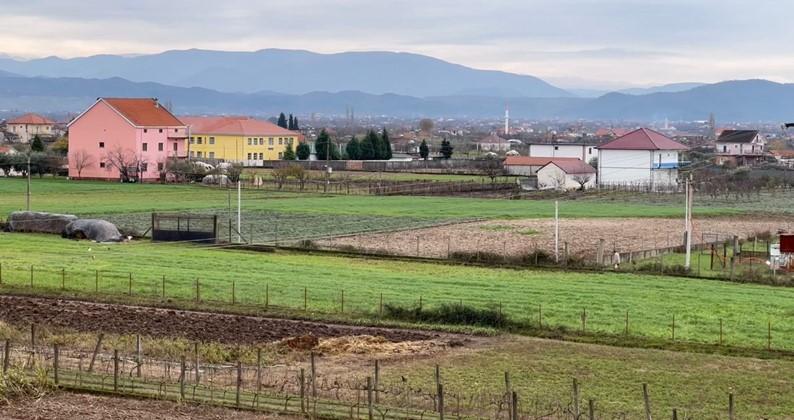
In the same session, the Parliament approved two draft laws that, according to the government, aim to modernize Albanian agriculture.
The first creates “Agricultural Trade Receipts,” giving farmers the opportunity to use future production or stored product as collateral for financing.
The second allows up to 40% of agricultural land to be used for photovoltaic, wind and energy storage installations. At first glance, both laws seem modern. In essence, both avoid the real problems of the sector.
The problem of Albanian agriculture is not the lack of legal instruments.
The problem is that Albanian agriculture does not produce sustainable profits. A business that is losing money is not saved by creating a new form of collateral. Land that should produce food is not necessarily made more valuable by producing energy.
1. Commercial receipts, a solution to a problem that doesn't exist
The logic of this law is well known. In the US, there are “Warehouse Receipts”. In Brazil, the “Cédula de Produto Rural” (CPR) is used, while in some African countries, “Warehouse Receipt Systems” operate.
But all of these models were born in completely different economies than Albania. They rely on several common conditions: large grain production; certified warehouses; futures markets; production assurance; quality standardization; stable sales contracts.
The farmer stores the grain for six months and takes out a loan using the stored product as collateral. This works, but only because the product, storage, standardization, and market exist.
Albania does not have this structure.
Our agricultural sector is completely different. The main competitive products are tomatoes, cucumbers, peppers, strawberries and greens. They are highly perishable products, which are not stored for months, but must be sold within a few days.
For this reason, the main instrument of the law practically does not find a wide scope of application. Cereals, which are the typical products for storage voucher schemes, occupy a relatively small part of the Albanian agricultural economy.
So, the law takes an instrument created for Kansas, Mato Grosso or Ukraine and tries to apply it to Divjaka, Lushnja or Berat. This doesn't work not because the instrument is bad, but because the economy is different.
The problem is not the collateral.
The government claims that farmers do not receive loans because they do not have guarantees. But the facts show that the problem does not lie only in the lack of collateral. Today, Albanian agriculture represents only a small part of the bank loan portfolio. In recent years, there have been sovereign guarantee funds, soft loans, EBRD-guaranteed schemes and European Union programs.
However, their use has remained modest. Why? Because the problem is not just the bank. The problem is the profitability of the activity.
Asnjë bankë nuk financon me dëshirë një biznes që ka probabilitet të lartë humbjeje. Bujqësia shqiptare nuk konsiderohet investim i sigurt sepse fermeri nuk kontrollon pothuajse asnjë nga faktorët që përcaktojnë fitimin.
Ai përballet me kriza ciklike të tregut, mungesë kontratash të garantuara, luhatje të forta të çmimeve, kosto të larta inputesh, energji të kushtueshme, probleme me ujitjen, konkurrencë nga importet e subvencionuara, mbështetje financiare më të ulët se në vendet fqinje dhe mungesë orientimi të prodhimit sipas kërkesës së tregut. Në këto kushte, kolaterali nuk ndryshon thelbin e problemit.
Është si t’i japësh një jelek shpëtimi dikujt, ndërkohë që anija vazhdon të fundoset.
2.Fotovoltaikët në tokë bujqësore, një gabim strategjik
Edhe më shqetësues është projektligji tjetër. Shqipëria është ndër vendet me më pak tokë bujqësore për frymë në Europë. Kjo nuk është thjesht çështje statistikash. Është çështje sigurie kombëtare.
Pandemia e COVID-19 tregoi se shtetet mund të vendosin kufizime eksporti. Lufta në Ukrainë dëshmoi se zinxhirët e furnizimit mund të ndërpriten brenda pak javësh. Krizat gjeopolitike po bëhen gjithnjë e më të shpeshta.
Në këto kushte, çdo vend serioz duhet të pyesë fillimisht: “Sa ushqim prodhoj vetë?”. Vetëm më pas duhet të pyesë: “Sa energji prodhoj?”.
Sovraniteti ushqimor është pjesë e sigurisë kombëtare
FAO, Komisioni Europian dhe shumë strategji kombëtare të hartuara pas pandemisë e trajtojnë sigurinë ushqimore si element të qëndrueshmërisë dhe rezistencës kombëtare.
Një vend që nuk prodhon ushqimet bazë është shumë më i ekspozuar ndaj krizave. Shqipëria sot importon një pjesë të madhe të produkteve ushqimore.
Në vend që toka bujqësore të ruhet dhe të vihet në funksion të prodhimit, ligji lejon përdorimin industrial të saj. Kjo është një zgjedhje strategjike me pasoja afatgjata.
Agrivoltaika nuk është ajo që po kuptojmë
Qeveria mund të argumentojë se në Europë ekzistojnë sistemet agrivoltaike. Kjo është e vërtetë. Por agrivoltaika nuk do të thotë mbulim i tokës me panele. Në Francë, Gjermani apo Itali, panelet vendosen në lartësi dhe projektohen në mënyrë që prodhimi bujqësor të vazhdojë pothuajse normalisht.
Studimet tregojnë se, për disa kultura, këto sisteme mund të ulin avullimin dhe të përmirësojnë rendimentin. Por këto modele janë shumë të kushtueshme, kontrollohen në mënyrë rigoroze dhe lejohen vetëm kur provohet se prodhimi bujqësor nuk dëmtohet.
Në Shqipëri nuk është bërë publik asnjë studim që të tregojë se si do të garantohet ky standard. Rreziku është që koncepti “agrivoltaik” të përdoret si justifikim për shndërrimin gradual të tokës bujqësore në park energjetik.
Energjia mund të prodhohet pa konsumuar tokë bujqësore.
Shqipëria ka alternativa shumë më të përshtatshme, si çatitë e ndërtesave publike; çatitë e serave; zonat industriale; tokat e degraduara; ish-zonat minerare; sipërfaqet kodrinore dhe malore pa potencial bujqësor. Atëhere, pse duhet të fillohet pikërisht nga toka më e çmuar?
Përfundim
The two adopted laws have one element in common: neither addresses the cause of the problems.
One starts from the idea that the farmer's problem is the lack of collateral. The other treats agricultural land as an asset that can create value even when it does not produce food.
In fact, the problem is completely different.
The Albanian farmer doesn't need more paperwork to begin with. He needs profit, a market, protection from unfair competition, and policies that make agriculture a business worth investing in.
Above all, Albania must understand that agricultural land is not simply an economic asset. It is a strategic national asset.
In a world where food and geopolitical crises are becoming more frequent, maintaining production capacities is not just an agricultural policy. It is a national security policy./ Eduart Sharka, Monitor
Latest news
Artan Hoxha provides details about the injury of 3 young people in Elbasan
2026-07-20 22:50:00
Cako: Our thoughts will change with waves, expect an alien "attack"
2026-07-20 22:31:39
Rrezikonte mbytjen në lumin Vjosa në Këlcyrë, shpëtohet turistja 10-vjeçare
2026-07-20 21:49:04
Shots fired at a bar in Elbasan, waiter injured
2026-07-20 21:07:42
Massive fire in an apartment in Greece, residents evacuated
2026-07-20 20:48:16
Accident in front of the Foreign Ministry in Tirana
2026-07-20 20:21:15

MEP warns Rama: EU is following the money, there will be consequences
2026-07-20 19:41:54
Fire along the Fier-Vlora highway, making vehicle traffic difficult
2026-07-20 19:27:12
Albanian arrested in Italy after 14 years for drug conviction
2026-07-20 19:02:28
Air pollution at alarming levels, the state 'turns a blind eye'
2026-07-20 18:01:57
Plenary session postponed to Thursday after tensions
2026-07-20 17:30:54
Albania is "burning" from the heat, up to 47°C, here's when the cool down comes
2026-07-20 16:46:58

Mother and son in danger of drowning on Shëngjin beach are rescued
2026-07-20 16:01:03

The 10 best national teams in World Cup history
2026-07-20 14:40:00
Andy Burnham officially appointed as new UK Prime Minister
2026-07-20 14:24:00
Two laws that do not solve the real problems of Albanian agriculture
2026-07-20 13:59:00
Berisha-Ballës: Rama ordered Maznik to act unilaterally on territorial reform
2026-07-20 13:51:25
Vokshi: 12 gangs have worked to support the SP in all regions
2026-07-20 13:25:32
"My job is done," Keir Starmer officially resigns
2026-07-20 13:11:39
Why numbers don't dampen protest
2026-07-20 13:01:26
Rama to convene parliamentary group and government on Friday
2026-07-20 12:55:00
Car and truck collide on the Milot-Rrëshen road, 4 people injured
2026-07-20 12:46:16



Protesters throw eggs at Kumbaro and Çuçi's vehicles
2026-07-20 12:05:00


With whips in their hands, citizens mock socialist MPs: Rama's sheep!
2026-07-20 11:32:54
Evis Kushi and Iris Luarasi are greeted with whistles from protesters
2026-07-20 11:15:00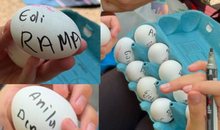


African heat wave ends, temperatures drop significantly from Wednesday
2026-07-20 10:51:08
Berisha: I found large bundles of narco-euro in the corridors of SPAK
2026-07-20 10:41:37
Flames engulf Iballa forests, arson suspected
2026-07-20 10:29:00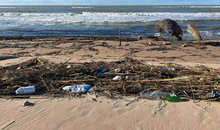
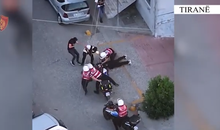
52-year-old arrested in Tirana, caught with grenades and TNT ready to explode
2026-07-20 10:01:30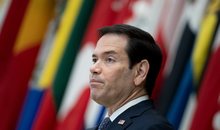
Rubio: Iran is using the Strait of Hormuz as a tool of pressure
2026-07-20 09:53:00

Rodri named best player of the 2026 World Cup
2026-07-20 09:47:42

Water motors, the danger that "invades" the Albanian coast
2026-07-20 09:24:00
Foreign exchange rate July 20/ How much are major currencies bought and sold at?
2026-07-20 09:16:12
World Cup final degenerates into brawl, Paredes grabs opponent by the throat
2026-07-20 08:58:47

Today plenary session in the Parliament, DP gathers the parliamentary group
2026-07-20 08:27:18
Horoscope, get to know the star forecast
2026-07-20 08:14:00

Morning Post/ In 2 lines: What mattered yesterday in Albania
2026-07-20 07:45:00






A response to the minister's (non)response
2026-07-19 18:33:53
Fatal collision between two vehicles in Lushnja, one dead and 5 injured
2026-07-19 18:07:24

"It's not tourism", Tabaku: The devaluation of the euro comes from dirty money
2026-07-19 17:23:06
Macabre crime in Italy, journalist Luigi Esposito shot dead
2026-07-19 17:02:02

Tragedy in Guyana, ferry sinks with 116 passengers on board
2026-07-19 16:19:41

What has influenced the appreciation of the lek?
2026-07-19 15:34:23
Kylian Mbappe knocks out Messi, sets new World Cup record
2026-07-19 15:12:54
Automjeti del nga rruga në Rrugën e Kombit, plagosen dy persona
2026-07-19 14:24:33
10 Bashki që shkrihen përballë 10 arsyeve pse bashkitë duhet të shtohen
2026-07-19 12:28:32


Iranian attacks in Jordan, two US soldiers killed
2026-07-18 21:59:55


Two zodiac signs that always find a reason to fight
2026-07-18 21:12:14
Marjana Koçeku comes out again for the departure of Edi Rama
2026-07-18 20:51:16
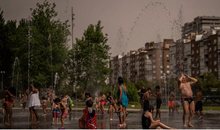
Spain faces hottest week of summer, temperatures expected to reach 45°C
2026-07-18 20:05:47
He who laughs last laughs best, Madam Minister.
2026-07-18 19:40:43
An elderly man in Durrës lost his life while swimming in the sea
2026-07-18 19:23:59