 Flash News
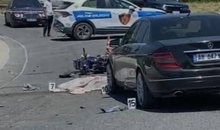
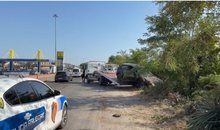
Car and truck collide on the Milot-Rrëshen road, 4 people injured
PS changes the agenda, Berisha-Peleshi: You will be remembered as the fierce enemy of the Constitution
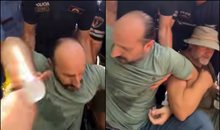
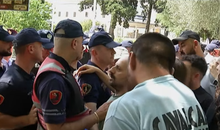
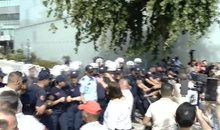
Video/ "Am I offending you?", the moment when the police forcibly remove Dritan Goxhaj and other protesters
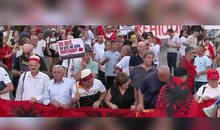
With whips in their hands, citizens mock socialist MPs: Rama's sheep!
Before the start of the session, citizens label eggs with the names of politicians
"It's not tourism", Tabaku: The devaluation of the euro comes from dirty money

Politiko
2026-07-19 17:23:06
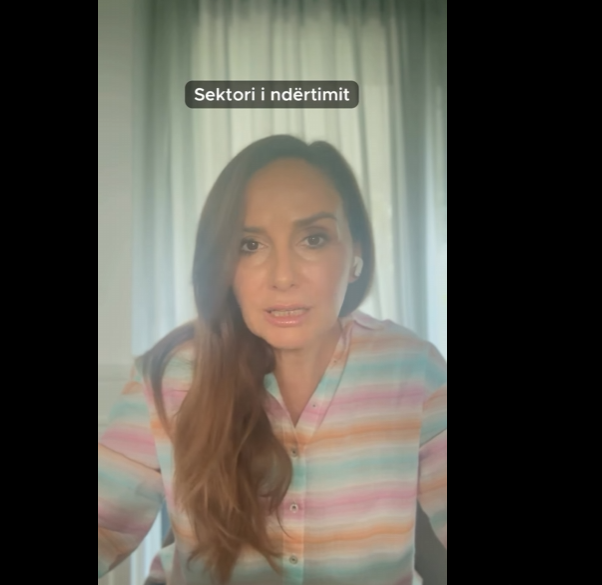
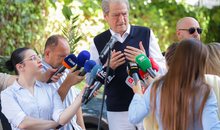
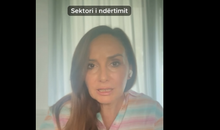
Democratic Party MP, Jorida Tabaku, has reacted on social media regarding the continued devaluation of the euro, describing the phenomenon as a result of money laundering and the expansion of the informal economy.
She accuses the government of trying to justify a situation that, according to her, is harming honest business and directly burdening the economic life of the majority of Albanians.
Tabaku's reaction:
The depreciation of the euro by almost a third of its value and the fact that today the euro has reached its historic minimum, since the introduction of this currency in the Albanian economy, is a reality that no one, not even the government, can deny.
Today, the government is only at the stage where it is trying to justify this phenomenon.
But what has really happened to the Albanian economy? How can these figures be explained?
In just one of SPAK's actions in recent weeks, 491 assets have been seized, suspected of having been created through money laundering from organized crime.
The construction sector, the tourism sector, and the gambling sector have been labeled as high-risk sectors for money laundering for years. This is now supported by evidence and investigations.
And let's not forget that all the criminal activity being investigated refers only to the period 2019–2021.
This amounts to about 2 billion euros per year that have entered the economy, creating an extremely large share of the informal economy.
There is no economic model and no justification that can explain this devaluation of the euro.
Neither foreign investment, nor income from emigrants, nor tourism explain it.
There is absolutely no honest business that can compete with this dirty money.
How can a fashion company that manufactures and exports products abroad compete with money laundering when the income from its products has been devalued by almost 30 percent?
How can a middle-class citizen, or an administrative employee with a salary of 800–900 euros per month, compete in a market where apartments are sold for 350 thousand or 400 thousand euros?
This is the greatest damage being done to the Albanian economy, beyond propaganda.
This is the alarm bell for the Albanian economy today, because over 90 percent of the population suffers the consequences of money laundering.
They suffer on the table, in their pockets, in daily expenses, in business, and in rising prices.
This is the criminalization of the economy.
Latest news
Two laws that do not solve the real problems of Albanian agriculture
2026-07-20 13:59:00
Berisha-Ballës: Rama ordered Maznik to act unilaterally on territorial reform
2026-07-20 13:51:25
Vokshi: 12 gangs have worked to support the SP in all regions
2026-07-20 13:25:32
"My job is done," Keir Starmer officially resigns
2026-07-20 13:11:39
Why numbers don't dampen protest
2026-07-20 13:01:26
Rama to convene parliamentary group and government on Friday
2026-07-20 12:55:00
Car and truck collide on the Milot-Rrëshen road, 4 people injured
2026-07-20 12:46:16
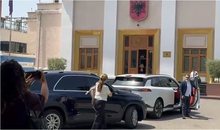
Protesters throw eggs at Kumbaro and Çuçi's vehicles
2026-07-20 12:05:00
With whips in their hands, citizens mock socialist MPs: Rama's sheep!
2026-07-20 11:32:54
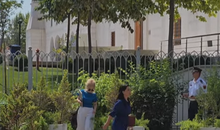
Evis Kushi and Iris Luarasi are greeted with whistles from protesters
2026-07-20 11:15:00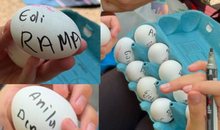
African heat wave ends, temperatures drop significantly from Wednesday
2026-07-20 10:51:08
Berisha: I found large bundles of narco-euro in the corridors of SPAK
2026-07-20 10:41:37
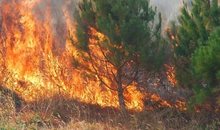
Flames engulf Iballa forests, arson suspected
2026-07-20 10:29:00
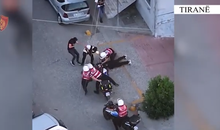
52-year-old arrested in Tirana, caught with grenades and TNT ready to explode
2026-07-20 10:01:30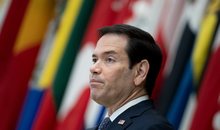
Rubio: Iran is using the Strait of Hormuz as a tool of pressure
2026-07-20 09:53:00
Rodri named best player of the 2026 World Cup
2026-07-20 09:47:42
Water motors, the danger that "invades" the Albanian coast
2026-07-20 09:24:00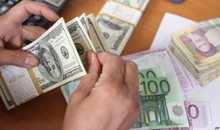
Foreign exchange rate July 20/ How much are major currencies bought and sold at?
2026-07-20 09:16:12
World Cup final degenerates into brawl, Paredes grabs opponent by the throat
2026-07-20 08:58:47
Today plenary session in the Parliament, DP gathers the parliamentary group
2026-07-20 08:27:18
Horoscope, get to know the star forecast
2026-07-20 08:14:00

Morning Post/ In 2 lines: What mattered yesterday in Albania
2026-07-20 07:45:00


A response to the minister's (non)response
2026-07-19 18:33:53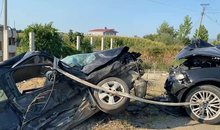
Fatal collision between two vehicles in Lushnja, one dead and 5 injured
2026-07-19 18:07:24
"It's not tourism", Tabaku: The devaluation of the euro comes from dirty money
2026-07-19 17:23:06
Macabre crime in Italy, journalist Luigi Esposito shot dead
2026-07-19 17:02:02
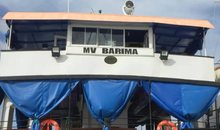
Tragedy in Guyana, ferry sinks with 116 passengers on board
2026-07-19 16:19:41
What has influenced the appreciation of the lek?
2026-07-19 15:34:23
Kylian Mbappe knocks out Messi, sets new World Cup record
2026-07-19 15:12:54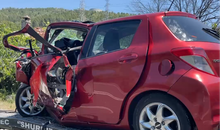
Automjeti del nga rruga në Rrugën e Kombit, plagosen dy persona
2026-07-19 14:24:33
10 Bashki që shkrihen përballë 10 arsyeve pse bashkitë duhet të shtohen
2026-07-19 12:28:32


Iranian attacks in Jordan, two US soldiers killed
2026-07-18 21:59:55

Two zodiac signs that always find a reason to fight
2026-07-18 21:12:14
Marjana Koçeku comes out again for the departure of Edi Rama
2026-07-18 20:51:16
Spain faces hottest week of summer, temperatures expected to reach 45°C
2026-07-18 20:05:47
He who laughs last laughs best, Madam Minister.
2026-07-18 19:40:43
An elderly man in Durrës lost his life while swimming in the sea
2026-07-18 19:23:59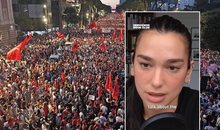


How much money is at stake in the 2026 World Cup final?
2026-07-18 16:20:39

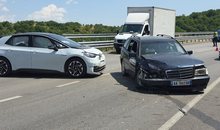
Accident in Qafë Plloçë, two cars collide
2026-07-18 15:04:55
The silent epidemic: One in two Albanians dies from heart disease
2026-07-18 11:05:27
Leku forcohet e nuk ka frikë, se çunat jashtë merren me botanikë!
2026-07-18 10:42:31

"Life surprises you", Messi talks about the iconic photo with Lamine Yamal
2026-07-18 09:35:38
Foreign exchange, how much foreign currencies are bought and sold today
2026-07-18 09:05:55
Horoscope, get to know the star forecast
2026-07-18 08:49:58
Serious incident in Korça, stepfather stabs 18-year-old to the head
2026-07-18 08:40:29
Temperatures up to 38 degrees Celsius, weather forecast for today
2026-07-18 08:14:11