
 Flash News
Kush është "Sandri" Rubati? E shkuara e 50-vjeçarit që u plagos në atentatin në Sarandë
Morning Post/ In 2 lines: What mattered yesterday in Albania
Shooting in Saranda, one person injured
EC report "blackens" the government: PPPs, tenders, Taxes and Customs remain hotbeds of corruption
Detaje nga vrasja e Edmond Sulës/ Ekzekutori u arratis në këmbë, pistat e hetimit
'Castle on Justice': New Draft Law on the Bank of Albania Received with Criticism

Politiko
2026-07-18 09:53:02
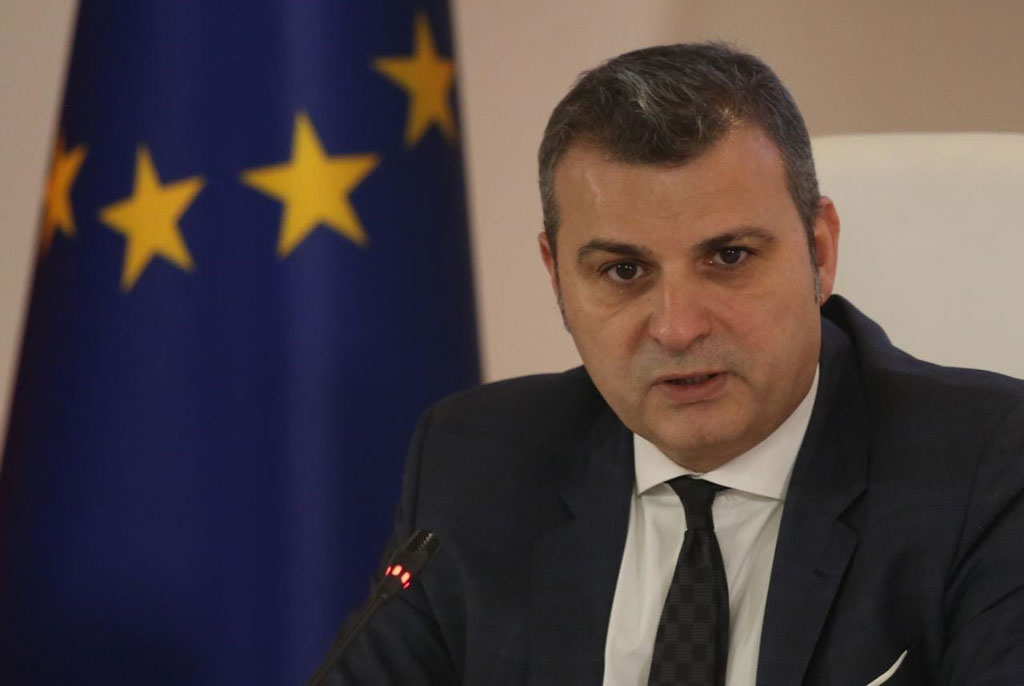
A new draft law for the Bank of Albania, designed to align domestic legislation with that of the European Union, has exceeded its purpose by providing a criminal shield for the institution's leaders by strengthening immunity from criminal prosecution and arrest measures.
The main concern is related to Article 72 of the draft law, which prohibits any form of arrest or personal or residential search of the Governor of the Bank of Albania and the Deputy Governors without prior authorization from the Constitutional Court. According to the draft, if the latter is not expressed within two weeks, the prosecution's request is considered rejected.
Although the accompanying report repeatedly emphasizes that these changes are being made within the framework of approximation with the "acquis communautaire" of the European Union, economic experts and lawyers raise the alarm that "a political fortress" is being created that places the Bank of Albania above justice and national transparency laws.
Economic expert Zef Preçi analyzes this request as an attempt to protect oneself from accountability, which according to him is camouflaged by the approximation of legislation with the EU. Preçi sees this attempt in line with the government's spirit to strengthen immunity after the "Balluku" case, which circulated a list of high-ranking positions that were not affected by the suspension from office, including the governor of the Bank of Albania.
“The alibi of approximation of legislation does not work in this case,” Preçi said, bringing to mind a decision by the European Court of Justice on the governor of the Bank of Latvia, whose arrest was upheld despite a challenge by the European Central Bank.
The establishment of the Constitutional Court as a "filter" for the actions of the prosecution raises fundamental questions of criminal procedure for lawyers as well. After being informed about the draft law, lawyer Ervin Metalla notices an open contradiction in this effort.
"I do not believe that the need for independence justifies this increased protection, as long as the court is in any case the one who will determine the measure. Not only that, but it seems that the decision on arrest is made by the Constitutional Court, which is nonsense," Metalla told BIRN.
He also believes that this provision in the draft law on the Bank of Albania is triggered by concrete events that occurred in Albania, but that have been verified in the judiciary.
“…I don't think the fear of a judge making a 'mistake' should be resolved in this way,” Metalla added.
The same line of criticism is shared by constitutionalists, who spoke to BIRN on condition of anonymity. They assessed that this protection for the Governor and his deputies was “not foreseen in the Constitution” and that it contradicted the spirit and legal reforms undertaken earlier, where the country is moving towards reducing immunity or special protections.
"This proposal comes in the course of avoiding the personal responsibility of the heads of institutions. The governor is indeed included in the Constitution (Article 161) as a subject who is elected by the Assembly upon the proposal of the President, but granting immunity seems an unsupported approach, since the confirmation of the measure by the ordinary court is more than reasonable. Moreover, the extension of a guarantee to deputy governors also speaks for itself," said a former member of the Constitutional Court.
A representative of the Bank of Albania, a member of the group of experts who worked on drafting the law, rejected the criticism, also requesting anonymity. According to the member, it is not about immunity, as the criminal investigation could continue regardless of arrest or not, but about protection from arbitrariness to ensure financial stability in the country.
The proposals were also defended as having been consulted with the International Monetary Fund and the Bank of Luxembourg.
The new legal provisions (Article 68) allow the Bank of Albania to declare a series of information confidential or secret and prohibit the Commissioner for the Right to Information from assessing it differently or ordering its publication. The drafter insisted that this was a practice of EU countries, but BIRN found that these confidential decisions of the European Central Bank are nevertheless subject to review by the European Ombudsman upon request.
Beyond the legal debate, Preçi says that the new law does not guarantee any independence of the Bank of Albania, since the latter, according to him, is subordinated to the government.
"With its monetary policies, this institution has served the next government best, to the extent that, at certain times, the Central Bank has resembled a directorate of the Ministry of Finance," he ironically said, noting that the bank had no independent reaction even when the country "was drowned by the colossal flow of informal and criminal money."/ BIRN
Latest news

"Life surprises you", Messi talks about the iconic photo with Lamine Yamal
2026-07-18 09:35:38

Foreign exchange, how much foreign currencies are bought and sold today
2026-07-18 09:05:55
Horoscope, get to know the star forecast
2026-07-18 08:49:58
Serious incident in Korça, stepfather stabs 18-year-old to the head
2026-07-18 08:40:29

Temperatures up to 38 degrees Celsius, weather forecast for today
2026-07-18 08:14:11
Morning Post/ In 2 lines: What mattered yesterday in Albania
2026-07-18 07:59:39
Shooting in Saranda, one person injured
2026-07-17 21:48:51


'Dove Lady' in 'Home Alone' dies
2026-07-17 20:41:14



The irony of summer! 350 stolen sunbeds end up in Rodon, Italians appeal to Rama
2026-07-17 19:00:08
Leku, world champion, has anyone seen VAR?
2026-07-17 18:24:20
7.4 magnitude earthquake strikes Mexico, tsunami alert issued
2026-07-17 18:14:15
EC report/ Albania slows growth, industry and agriculture show signs of weakness
2026-07-17 17:18:36





Why did Edi Rama need Martin Can's dead body once again?
2026-07-17 15:23:24
Scorching weekend, temperatures up to 41 degrees on Sunday
2026-07-17 15:08:58
Andy Burnham clears final hurdle, begins path to British Prime Ministership
2026-07-17 14:35:19
Ronaldo: Cristiano can play in Arabia, but the World Cup is another level
2026-07-17 14:16:36
Which club has the most players in the World Cup final?
2026-07-17 13:54:23
Prices rose by 3.2% in June, the main effect coming from food and entertainment.
2026-07-17 13:32:56



EPPO (European Public Prosecutor's Office) in Tirana as a meaningful step
2026-07-17 12:09:36
Bank of Albania proposes that the Governor have immunity from arrest
2026-07-17 11:33:20
Rv with 11 migrants stranded at sea near Vlora, rescued by Border Police
2026-07-17 11:15:07
Albanian elites: From Enver's cauldron to the mastermind of neo-communism!
2026-07-17 10:51:22
The silence that smells
2026-07-17 09:53:05
Crime officer physically assaulted in Saranda, police launch checks
2026-07-17 09:33:36
Foreign exchange, the rate at which foreign currencies are sold and bought
2026-07-17 08:53:48
Protests in Ukraine after Zelensky dismisses defense minister
2026-07-17 08:20:59
Posta e mëngjesit/ Me 2 rreshta: Çfarë pati rëndësi dje në Shqipëri
2026-07-17 08:02:00
Dervishi: Patronazhistët janë qenie të pështira
2026-07-16 22:11:42

Kosova në garë për fondet e BE-së, raporti dorëzohet në afatin e fundit
2026-07-16 21:29:45

Mira Murati challenges AI giants, her company introduces the new model "Inkling"
2026-07-16 20:48:23
Seven things you should never do when eating in Italy
2026-07-16 20:24:02
"47 days, we will not retreat"/ Spicy banners from the protest
2026-07-16 20:09:50

Korrupsion gjatë detyrës, arrestohen dy efektivë të Komisariatit nr. 3 në Tiranë
2026-07-16 19:36:45
Accident on the Elbasan-Librazhd axis, 19-year-old loses his life
2026-07-16 18:45:00
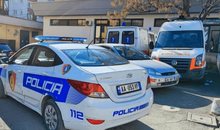
Knife wound at Shkodra Polyclinic, 18-year-old and his father arrested
2026-07-16 17:52:20


Are we experiencing the worst Mercury retrograde ever?
2026-07-16 17:01:00
“Legjenda” e dy avionëve zjarrfikës në Shqipëri
2026-07-16 16:28:00


Astrit Kalasa's murder in the courtroom, investigations extended by three months
2026-07-16 14:59:56
The Euro's decline returns, touching a new historical record near 93.6 lek
2026-07-16 14:42:59
Berisha: Edi Rama does not accept any protest demands, we support all of them
2026-07-16 13:59:16

When Parliament begins to represent the prison
2026-07-16 12:35:25
For these 4 zodiac signs, a new chapter in love begins
2026-07-16 12:19:04

Tenders, IPARD and "5D"/SPAK pardons Erion Isai for the property investigation
2026-07-16 11:55:42

DP denounces funds for Kanye West's concert, demands audit from KLSH
2026-07-16 11:26:56
Business burns in the center of Elbasan, electrical spark suspected
2026-07-16 11:12:10

US launches new attacks on Iran, Tehran targets US bases in Kuwait
2026-07-16 10:56:14


Tirana/ 40-year-old woman drowns herself in Dry Lake
2026-07-16 10:08:00

How to help someone who is in danger of drowning
2026-07-16 09:37:48
Kapet me arsenal armësh në banesë, arrestohet 21-vjeçari në Shkodër
2026-07-16 09:14:36