 Flash News
Scorching weekend, temperatures up to 41 degrees on Sunday
Rv with 11 migrants stranded at sea near Vlora, rescued by Border Police
Crime officer physically assaulted in Saranda, police launch checks
Foreign exchange, the rate at which foreign currencies are sold and bought
Temperatures up to 39°C, what the weather is expected to be like in the country today
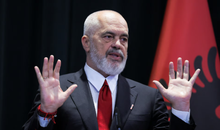
You have to have a thick skin to ignore the pain of two parents who live every day with the absence of their child, killed by knife attacks. But when their wound is constantly teased every time a political justification is needed, this is no longer a question of lack of sensitivity, but of cynicism on psychic levels. Edi Rama has shown this cynicism with the story of Martin Can, not once, but twice.
The first time happened a few months after the murder. The student of “Fan Noli” in Tirana lost his life on the way to the hospital, after a fight in which he was stabbed, outside the school. While the family demanded responsibility from the school, from the institutions and from the bodies that were investigating the incident, while public opinion raised questions about the way the conflict was managed and about suspicions that the investigations were being manipulated, Rama chose to shift the debate in a completely different direction.
The prime minister blamed TikTok. He called the China-based social network "the neighborhood street urchin," recalled the times when children did not grow up under the influence of algorithms, and announced the closure of the platform for a year.
"TikTok is the neighborhood hooligan. We are afraid when a child is accompanied by it when he leaves the house. We will close TikTok for a year. Hooligans, perversions, scum and dogs are not seen on China's TikTok," Rama declared at the time.
He presented the decision as a measure to protect children, taking its cue from the Martin Can case, but the real purpose had a political background.
TikTok's shutdown occurred a few months before the May 11 parliamentary elections, while the platform was one of the few spaces where the government did not exert influence like on traditional media or other social networks.
For government critics, the tragedy of Martin Can was used as a moral argument justifying the closure of an uncontrolled platform, shifting the debate away from the concrete responsibilities of the institutions.
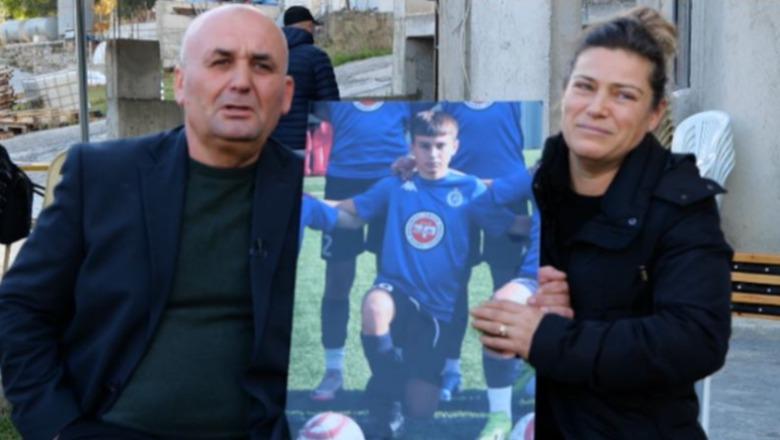
Martin Can's parents opposed this measure. Even then, they emphasized the fact that their son was not killed by TikTok.
"Martin was not killed by TikTok ," his mother and father wrote in their public response.
On the contrary, they pointed the finger exactly where the government did not want to be looked at: at state failure, calling the connection between Martin's murder and the closure of the social network manipulation.
“Mjaft me manipulime! Mbyllja e një aplikacioni nuk e kthen mbrapsht realitetin dhe as nuk shpëton jetë. Martini, Eraldi ne Maliq dhe Erjoni në Durrës nuk u vranë nga rrjetet sociale; ata u vranë nga mungesa e sigurisë, nga papërgjegjshmëria institucionale dhe nga dështimi total i shtetit që duhet t’i mbronte. Ne nuk do të heshtim! Nuk do të lejojmë që emri i djalit tonë, një futbollist me ëndrra dhe një shpirt i pastër, të përdoret më si mburojë për dështimet tuaja” shkruante familja Cani në vitin 2025.
Prindërit nuk kërkonin mbylljen e rrjeteve sociale, por përgjegjësi nga institucionet. Ata nuk flisnin për algoritme, por për shkollën, për mungesën e sigurisë, për mungesat në spitale dhe për dështimin e shtetit për të mbrojtur fëmijët.
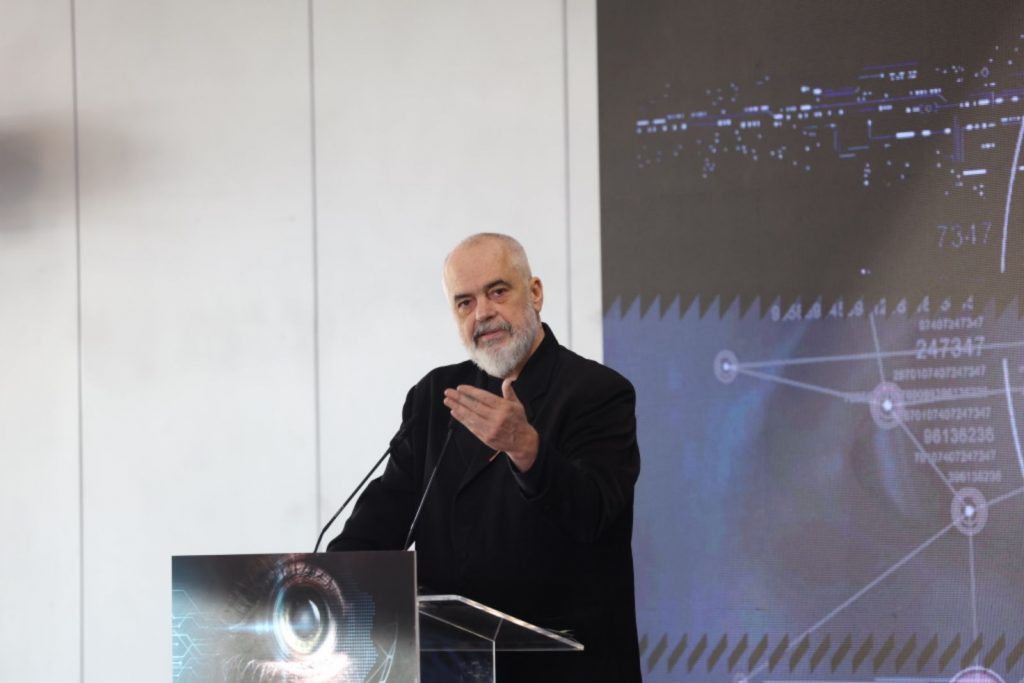
Dukej sikur historia mbaroi aty, deri kur emri i Martin Canit u rikthye sërish në fjalimet e kryeministrit këtë të enjte. Kësaj radhe “Martini” i duhej për të mbështetur një projekt tjetër me vlerë mbi 100 milion dollarë. Në ceremoninë ku prezantoi “Smart City”, Rama deklaroi se të gjithë e kishin harruar vrasjen e të miturit, përveç tij.
“Sot të gjithë e kanë harruar vrasjen tragjike të një nxënësi në shkollën ‘Fan Noli’, që krijoi një situatë konvulsive me politizimin ekstrem të ngjarjes dhe me gazetarinë e gjakut. Unë nuk e kam harruar, sepse e kujtoj çdo ditë duke ndjekur këtë projekt. Kjo është përgjigjja ime ndaj asaj tragjedie”, u shpreh Rama.
“Sot jemi në kohën e armikut të fëmijëve, rrezikut të rrugaçit të lagjes që është algoritmi. Ky sistem do të na japë krah dhe do të fokusohet edhe te bashkëpunimi me prindërit”, deklaroi ai.
Në pamje të parë, lidhja tingëllon e natyrshme: më shumë kamera do të thotë më shumë siguri edhe për fëmijët. Por debati për “Smart City” nuk është zhvilluar rreth nevojës për teknologji apo për mbrojtjen e nxënësve. Ky ka qenë një projekt që ka ngritur shumë pikëpyetje për mënyrën se si do të shpenzohen mbi njëqind milionë euro para publike. Opozita ka lëshuar akuza për kosto të fryra, mungesë transparence dhe dyshime për korrupsion.
Sipas të dhënave të kontratës, do të instalohen 2 239 kamera ANPR për njohjen automatike të targave dhe 2 602 kamera PTZ për monitorimin e trafikut dhe identifikimin e shkeljeve, ndërsa policia do të pajiset me 3 816 kamera trupi të lidhura me një sistem të centralizuar mbikëqyrjeje.
Vetëm licencat e programeve kushtojnë 31 milionë dollarë, pajisjet dhe infrastruktura 62.4 milionë dollarë, 8 milionë dollarë janë parashikuar për shërbime profesionale dhe 17.1 milionë dollarë për mirëmbajtjen katërvjeçare. Me TVSH, fatura totale arrin rreth 140 milionë dollarë. Shifrat kanë ushqyer akuzat për shpenzime marramendëse, ndërsa kamera të ngjashme mund të blihen në treg me çmime shumë më të ulëta.
Right now, Martin Can's name is once again being brought up, as the story of a murdered child immediately shifts the discussion from millions to emotions.
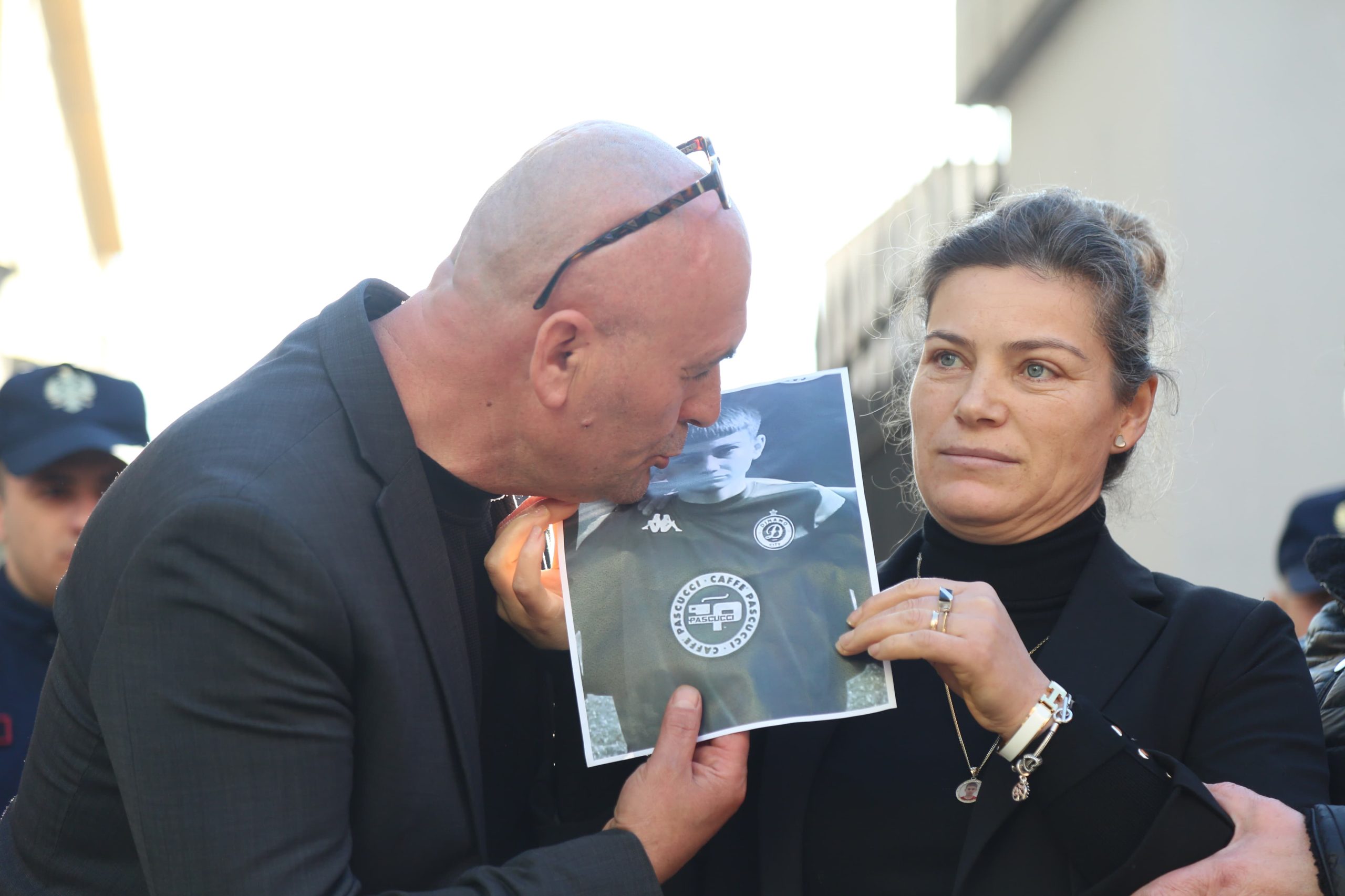
But this time too, the first to object to their son being referred to as cannon fodder were Martin's parents. Realizing that his name was being misused again, they asked the prime minister to stop.
"Martini was not a political slogan. Martini was not a pretext for censorship. Martini was not an excuse for cameras. Martini was a good kid, a footballer with dreams, a boy who deserved to live," the Cani family wrote in the next reaction.
In the same letter, the Cani family repeats allegations about the problems at the “Fan Noli” school, about the shortcomings in the health system and about the institutional failures that, according to them, could have made the difference between the life and death of their son. These are statements that the family has been making publicly for months, have been widely reported by the media and are well known to the prime minister himself.
However, for the second time, Edi Rama chose to reinstate Martin Can, ignoring the family that continues to address the institutions. It is enough to link his memory in a speech to a project that faces strong criticism for corruption.
Corruption is the reason why the prime minister used Martin's name this time. Here lies the greatest cynicism: for the Cani family, Martin was a boy who will never return home; for Edi Rama, he keeps coming back whenever he needs a public argument./ Lapsi.al
Latest news




Why did Edi Rama need Martin Can's dead body once again?
2026-07-17 15:23:24
Scorching weekend, temperatures up to 41 degrees on Sunday
2026-07-17 15:08:58
Andy Burnham clears final hurdle, begins path to British Prime Ministership
2026-07-17 14:35:19
Ronaldo: Cristiano can play in Arabia, but the World Cup is another level
2026-07-17 14:16:36
Which club has the most players in the World Cup final?
2026-07-17 13:54:23
Prices rose by 3.2% in June, the main effect coming from food and entertainment.
2026-07-17 13:32:56

EPPO (European Public Prosecutor's Office) in Tirana as a meaningful step
2026-07-17 12:09:36
Bank of Albania proposes that the Governor have immunity from arrest
2026-07-17 11:33:20
Rv with 11 migrants stranded at sea near Vlora, rescued by Border Police
2026-07-17 11:15:07
Albanian elites: From Enver's cauldron to the mastermind of neo-communism!
2026-07-17 10:51:22
The silence that smells
2026-07-17 09:53:05
Crime officer physically assaulted in Saranda, police launch checks
2026-07-17 09:33:36

Foreign exchange, the rate at which foreign currencies are sold and bought
2026-07-17 08:53:48
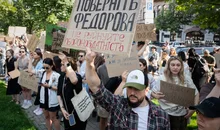
Protests in Ukraine after Zelensky dismisses defense minister
2026-07-17 08:20:59
Posta e mëngjesit/ Me 2 rreshta: Çfarë pati rëndësi dje në Shqipëri
2026-07-17 08:02:00
Dervishi: Patronazhistët janë qenie të pështira
2026-07-16 22:11:42

Kosova në garë për fondet e BE-së, raporti dorëzohet në afatin e fundit
2026-07-16 21:29:45

Mira Murati challenges AI giants, her company introduces the new model "Inkling"
2026-07-16 20:48:23
Seven things you should never do when eating in Italy
2026-07-16 20:24:02
"47 days, we will not retreat"/ Spicy banners from the protest
2026-07-16 20:09:50
Korrupsion gjatë detyrës, arrestohen dy efektivë të Komisariatit nr. 3 në Tiranë
2026-07-16 19:36:45
Accident on the Elbasan-Librazhd axis, 19-year-old loses his life
2026-07-16 18:45:00
Knife wound at Shkodra Polyclinic, 18-year-old and his father arrested
2026-07-16 17:52:20
Are we experiencing the worst Mercury retrograde ever?
2026-07-16 17:01:00
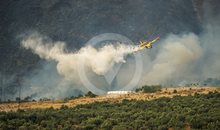
“Legjenda” e dy avionëve zjarrfikës në Shqipëri
2026-07-16 16:28:00


Astrit Kalasa's murder in the courtroom, investigations extended by three months
2026-07-16 14:59:56
The Euro's decline returns, touching a new historical record near 93.6 lek
2026-07-16 14:42:59
Berisha: Edi Rama does not accept any protest demands, we support all of them
2026-07-16 13:59:16


When Parliament begins to represent the prison
2026-07-16 12:35:25
For these 4 zodiac signs, a new chapter in love begins
2026-07-16 12:19:04
Tenders, IPARD and "5D"/SPAK pardons Erion Isai for the property investigation
2026-07-16 11:55:42

DP denounces funds for Kanye West's concert, demands audit from KLSH
2026-07-16 11:26:56
Business burns in the center of Elbasan, electrical spark suspected
2026-07-16 11:12:10
US launches new attacks on Iran, Tehran targets US bases in Kuwait
2026-07-16 10:56:14
Tirana/ 40-year-old woman drowns herself in Dry Lake
2026-07-16 10:08:00

How to help someone who is in danger of drowning
2026-07-16 09:37:48
Kapet me arsenal armësh në banesë, arrestohet 21-vjeçari në Shkodër
2026-07-16 09:14:36
Messi doesn't stop, sets another historic record at the World Cup
2026-07-16 08:59:40

Foreign exchange, the rate at which foreign currencies are sold and bought
2026-07-16 08:30:00
DP elects new leadership team, Flamur Noka confirmed as Secretary General
2026-07-16 08:10:33
Two vehicles collide on the Lushnje-Fier highway, one injured
2026-07-16 07:51:45
Scorching day, temperatures expected to reach 39 degrees
2026-07-16 07:33:46
Argentina knocks England out, secures final with Spain
2026-07-16 07:16:02
Morning Post/ In 2 lines: What mattered yesterday in Albania
2026-07-16 07:01:01

Gordon ignites England, the "Three Lions" take the lead against Argentina
2026-07-15 22:19:55

Berisha: DP completes reorganization of structures, renewal will continue
2026-07-15 21:39:00
Beteja e titanëve! Anglia dhe Argjentina luajnë për finalen me Spanjën
2026-07-15 21:07:22
Bozdo on the electoral process in the DP: The renewal does not end here
2026-07-15 20:49:44

Vlorë/ Makina e Policisë Bashkiake përplas 13-vjeçarin në vijat e bardha
2026-07-15 20:14:41
Election of management structures, Berisha votes
2026-07-15 19:58:00