 Flash News
When Parliament begins to represent the prison
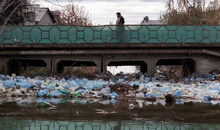
Tirana/ 40-year-old woman drowns herself in Dry Lake
Today is the hottest day of the year, here are the areas where the thermometer will mark over 40 degrees
Messi doesn't stop, sets another historic record at the World Cup
Foreign exchange, the rate at which foreign currencies are sold and bought
The Euro's decline returns, touching a new historical record near 93.6 lek

Politiko
2026-07-16 14:42:59
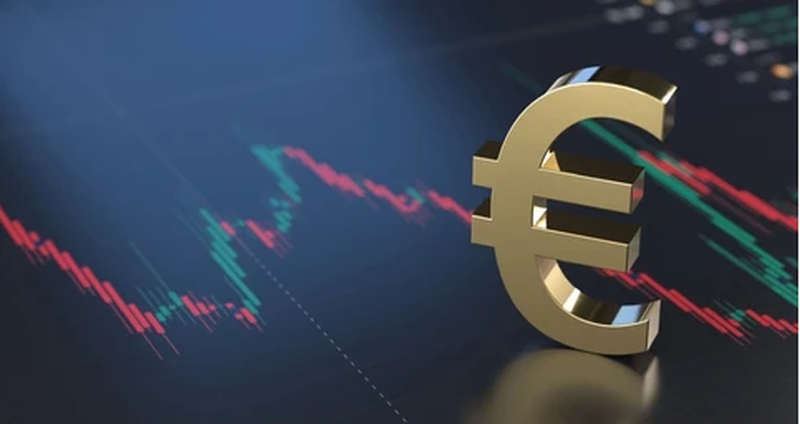
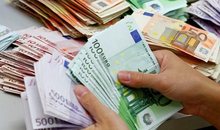
The Euro/Lek exchange rate is deepening its gradual downward trend. According to the Bank of Albania exchange rate, the Euro was exchanged today for 93.64 Lekë, the lowest level ever recorded.
Since the beginning of the year, the Euro exchange rate against the Lek has fallen by 3.2%, while on an annual basis the decline has reached 4.2%.
According to foreign exchange agents, the fall in the exchange rate during the summer season is mainly related to the usual seasonal trend. During this period, the foreign exchange supply increases, due to the increase in the number of tourists from abroad.
In general, for years the foreign exchange market has been characterized by a high foreign exchange supply.
According to official figures and analyses of the Bank of Albania, this increase is due to the improvement of the Balance of Payments, thanks to the increase in foreign exchange flows from tourism and high levels of foreign direct investment. However, the market continues to perceive a strong impact of foreign exchange inflows from illegal activities.
In parallel, it is estimated that the government's fiscal policy is also playing a role in the strengthening of the Lek. For years, the budget balance has been in a wide surplus for most of the year, while usually the entire planned deficit is spent in December. This fiscal policy followed by the government reduces the supply of Lek in the market and affects the further strengthening of the domestic currency.
The Bank of Albania has tried to slow the decline of the Euro by making large purchases of the currency. For the period 2024-2025, the Central Bank has purchased more than two billion euros in the domestic market. The purchases have continued in the first half of this year, but the figures have not yet been made public.
This year, the Bank of Albania plans to further increase its planned purchases of foreign exchange in the domestic market. It aims to purchase 330-450 million euros through auctions, with the aim of increasing foreign exchange reserves. The purchase target has increased significantly compared to the projections in the range of 270-350 million euros foreseen for 2025.
However, purchase figures will certainly be higher, including direct purchases to curb the strengthening of the Lek.
The increase in inflation above the 3% target, however, makes it challenging for the Central Bank to continue large purchases. Under these conditions, foreign exchange purchases are no longer justified by the objective of price stability, while curbing the decline of the Euro will have the cost of higher inflation in the economy.
The strengthening of the Lek is estimated to have partially curbed inflationary pressures on the Albanian economy, making goods and services imported from abroad cheaper.
But, on the other hand, the strong Lek has hit the exporting sectors of the economy. In particular, tailoring activities have been hit hard and have lost competitiveness linked to low labor costs. But, on the other hand, the depreciation of the Euro is also damaging the competitiveness of the tourism sector, a sector that has grown thanks to its perception as a low-cost alternative./ Monitor
Latest news

Astrit Kalasa's murder in the courtroom, investigations extended by three months
2026-07-16 14:59:56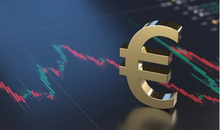
The Euro's decline returns, touching a new historical record near 93.6 lek
2026-07-16 14:42:59
Berisha: Edi Rama does not accept any protest demands, we support all of them
2026-07-16 13:59:16

When Parliament begins to represent the prison
2026-07-16 12:35:25
For these 4 zodiac signs, a new chapter in love begins
2026-07-16 12:19:04

Tenders, IPARD and "5D"/SPAK pardons Erion Isai for the property investigation
2026-07-16 11:55:42
DP denounces funds for Kanye West's concert, demands audit from KLSH
2026-07-16 11:26:56
Business burns in the center of Elbasan, electrical spark suspected
2026-07-16 11:12:10

US launches new attacks on Iran, Tehran targets US bases in Kuwait
2026-07-16 10:56:14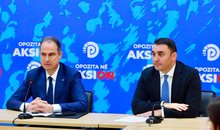

Tirana/ 40-year-old woman drowns herself in Dry Lake
2026-07-16 10:08:00
How to help someone who is in danger of drowning
2026-07-16 09:37:48

Kapet me arsenal armësh në banesë, arrestohet 21-vjeçari në Shkodër
2026-07-16 09:14:36
Messi doesn't stop, sets another historic record at the World Cup
2026-07-16 08:59:40
Foreign exchange, the rate at which foreign currencies are sold and bought
2026-07-16 08:30:00
DP elects new leadership team, Flamur Noka confirmed as Secretary General
2026-07-16 08:10:33
Two vehicles collide on the Lushnje-Fier highway, one injured
2026-07-16 07:51:45
Scorching day, temperatures expected to reach 39 degrees
2026-07-16 07:33:46
Argentina knocks England out, secures final with Spain
2026-07-16 07:16:02
Morning Post/ In 2 lines: What mattered yesterday in Albania
2026-07-16 07:01:01

Gordon ignites England, the "Three Lions" take the lead against Argentina
2026-07-15 22:19:55

Berisha: DP completes reorganization of structures, renewal will continue
2026-07-15 21:39:00
Beteja e titanëve! Anglia dhe Argjentina luajnë për finalen me Spanjën
2026-07-15 21:07:22
Bozdo on the electoral process in the DP: The renewal does not end here
2026-07-15 20:49:44
Vlorë/ Makina e Policisë Bashkiake përplas 13-vjeçarin në vijat e bardha
2026-07-15 20:14:41
Election of management structures, Berisha votes
2026-07-15 19:58:00



The "Face of Instagram" and the Plastic Surgery Nightmare
2026-07-15 18:09:09
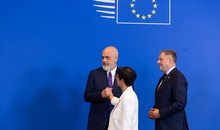
Why doesn't Edi Rama fundamentally understand the EU's rule of law?
2026-07-15 17:32:00
"E papranueshme", RSF dënon sulmin e Erion Braçes ndaj gazetarit
2026-07-15 16:48:00
Pas bllokadës së SHBA-së ndaj Iranit, rriten sërish çmimet e naftës
2026-07-15 16:02:46
World Cup final, tickets reach staggering figures
2026-07-15 15:57:55

Devoll, 57-year-old commits suicide in apartment
2026-07-15 15:08:00

28-year-old Albanian man murdered in Britain, police identify victim
2026-07-15 14:40:00
Criminal amnesty/ Over 1,400 convicts benefit, 553 leave cells
2026-07-15 14:10:47

"Skifters" descend on the coast, attempt to rob elderly man in Borsh, 3 arrested
2026-07-15 13:16:41



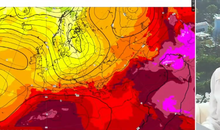
Meteorologist's warning: From tomorrow, temperatures above 40 degrees
2026-07-15 11:20:25
The u-Albania portal opens, high school graduates begin data verification
2026-07-15 11:04:48
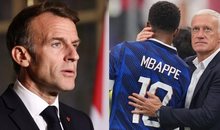
Spain took France 'home', President Macron reacts: Painful defeat!
2026-07-15 10:06:50
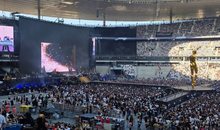
Queues, chaos and water shortage, BIRN: Unhappy fans at Kanye West concert
2026-07-15 09:39:33
EU auditors 'blacken' Albania: Transport projects, slow and unattended
2026-07-15 09:31:26

Mbappe admits failure: Spain was better, we didn't play as we should have
2026-07-15 09:04:45
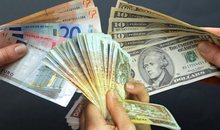
Foreign exchange, how much lek is used to buy and sell major currencies today
2026-07-15 08:28:27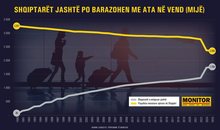
DP convenes National Council today, new leadership team elected
2026-07-15 07:47:58

What is the weather forecast for today?
2026-07-15 07:15:06
Morning Post/ In 2 lines: What mattered yesterday in Albania
2026-07-15 07:01:00