 Flash News
EC report "blackens" the government: PPPs, tenders, Taxes and Customs remain hotbeds of corruption
Detaje nga vrasja e Edmond Sulës/ Ekzekutori u arratis në këmbë, pistat e hetimit
Scorching weekend, temperatures up to 41 degrees on Sunday
Rv with 11 migrants stranded at sea near Vlora, rescued by Border Police
Crime officer physically assaulted in Saranda, police launch checks
By Lutfi Dervishi
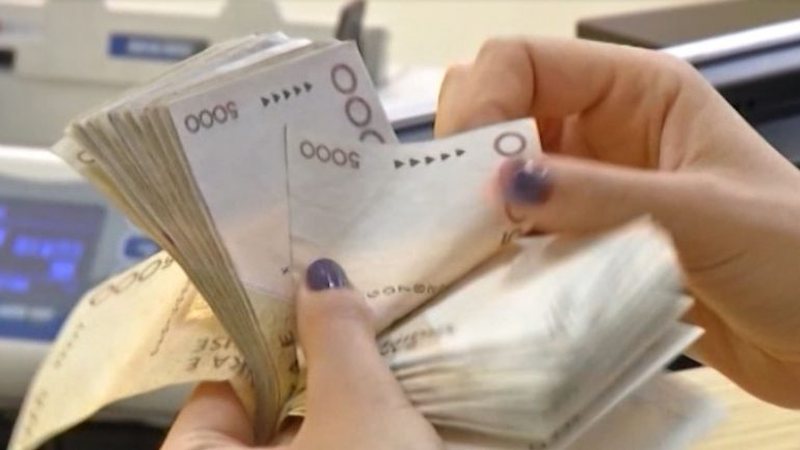
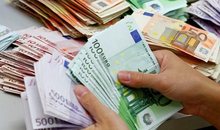
For several years, an argument has been repeated here: the euro is weakening because our economy is getting stronger. At first glance, the thesis sounds convincing. Today, one euro is exchanged for about 93-94 lekë, while in 2024 alone the euro lost 7.4% against the lek, and in 2025 another 2.8%, the fourth consecutive year with a historical record low.
But it is enough to look outside Albania for this story of our strong economy to waver.
The global euro paradox
If the euro were truly a free-falling currency, it should also be weakening against its other major trading partners. In reality, the opposite is true. Against the US dollar, the euro has needed more dollars for most of the period 2024-2026. The trend is the same for the Japanese yen and the Chinese yuan: the euro is strengthening, not weakening.
At the other end of the spectrum, the euro has strengthened to historic levels against the currencies of countries facing serious geopolitical or structural crises. Turkey is the most blatant example: today one euro buys about 53 liras, a country with an automotive, textile and military industry that exports drones to half the world, but its lira is falling because inflation and loss of confidence have brought it to its knees.
What about the neighbors?
Against the Serbian dinar and the Macedonian denar, the exchange rate has remained almost unchanged for years (these countries, it is true, follow fixed or strictly managed exchange rate policies). Against the Swedish and Norwegian krone, fluctuations have been within normal market ranges. Nowhere else in the region has this “miracle” been repeated.
The lek has strengthened more against the euro than the currencies of the G7 and more than the currencies of the Gulf countries, which have oil and gas reserves.
Who is keeping the money in shape?
The Bank of Albania itself has admitted that it is intervening, and not a little. In the first nine months of 2024 alone, foreign exchange interventions amounted to about 2.6% of GDP, almost triple the same period a year earlier. In 2024-2025, the Bank bought over 2 billion euros on the domestic market precisely to slow, not encourage, the strengthening of the lek. If the lek was simply “healthy,” why would anyone try to keep it on a diet?
According to the monetary authority, the explanation is "structural": the explosion of tourism, the increase in foreign investment in real estate, budget surpluses that reduce the supply of lek in the market. The Governor himself has not completely ruled out the role of informal foreign exchange inflows, a sentence uttered with the caution of someone walking on ice.
The question that needs an answer
These comparisons do not automatically mean that the lek is “artificially” strong. It could indeed be a combination of tourism, FDI and good luck. But when a currency of a country of 2.4 million simultaneously defies the logic of the dollar, the yen, the G7 and Gulf oil, and when the central bank itself spends billions of euros each year simply to rein it in, the phrase “structural coincidence” starts to sound like a very comfortable answer to a very strange phenomenon.
Until someone who is skilled and works for the good of the country shows us with accurate figures, source by source, where every euro that enters this small market comes from, the Albanian lek will remain the only one in the world that earns without working and strengthens without any explanation to convince those who have brains in their heads instead of husks.
Latest news

The irony of summer! 350 stolen sunbeds end up in Rodon, Italians appeal to Rama
2026-07-17 19:00:08
Leku, world champion, has anyone seen VAR?
2026-07-17 18:24:20
7.4 magnitude earthquake strikes Mexico, tsunami alert issued
2026-07-17 18:14:15
EC report/ Albania slows growth, industry and agriculture show signs of weakness
2026-07-17 17:18:36



Why did Edi Rama need Martin Can's dead body once again?
2026-07-17 15:23:24
Scorching weekend, temperatures up to 41 degrees on Sunday
2026-07-17 15:08:58
Andy Burnham clears final hurdle, begins path to British Prime Ministership
2026-07-17 14:35:19
Ronaldo: Cristiano can play in Arabia, but the World Cup is another level
2026-07-17 14:16:36
Which club has the most players in the World Cup final?
2026-07-17 13:54:23
Prices rose by 3.2% in June, the main effect coming from food and entertainment.
2026-07-17 13:32:56


EPPO (European Public Prosecutor's Office) in Tirana as a meaningful step
2026-07-17 12:09:36
Bank of Albania proposes that the Governor have immunity from arrest
2026-07-17 11:33:20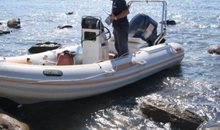
Rv with 11 migrants stranded at sea near Vlora, rescued by Border Police
2026-07-17 11:15:07
Albanian elites: From Enver's cauldron to the mastermind of neo-communism!
2026-07-17 10:51:22
The silence that smells
2026-07-17 09:53:05
Crime officer physically assaulted in Saranda, police launch checks
2026-07-17 09:33:36
Foreign exchange, the rate at which foreign currencies are sold and bought
2026-07-17 08:53:48
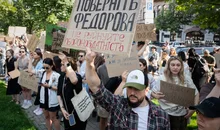
Protests in Ukraine after Zelensky dismisses defense minister
2026-07-17 08:20:59
Posta e mëngjesit/ Me 2 rreshta: Çfarë pati rëndësi dje në Shqipëri
2026-07-17 08:02:00
Dervishi: Patronazhistët janë qenie të pështira
2026-07-16 22:11:42
Kosova në garë për fondet e BE-së, raporti dorëzohet në afatin e fundit
2026-07-16 21:29:45

Mira Murati challenges AI giants, her company introduces the new model "Inkling"
2026-07-16 20:48:23
Seven things you should never do when eating in Italy
2026-07-16 20:24:02
"47 days, we will not retreat"/ Spicy banners from the protest
2026-07-16 20:09:50

Korrupsion gjatë detyrës, arrestohen dy efektivë të Komisariatit nr. 3 në Tiranë
2026-07-16 19:36:45
Accident on the Elbasan-Librazhd axis, 19-year-old loses his life
2026-07-16 18:45:00
Knife wound at Shkodra Polyclinic, 18-year-old and his father arrested
2026-07-16 17:52:20
Are we experiencing the worst Mercury retrograde ever?
2026-07-16 17:01:00
“Legjenda” e dy avionëve zjarrfikës në Shqipëri
2026-07-16 16:28:00


Astrit Kalasa's murder in the courtroom, investigations extended by three months
2026-07-16 14:59:56
The Euro's decline returns, touching a new historical record near 93.6 lek
2026-07-16 14:42:59
Berisha: Edi Rama does not accept any protest demands, we support all of them
2026-07-16 13:59:16

When Parliament begins to represent the prison
2026-07-16 12:35:25
For these 4 zodiac signs, a new chapter in love begins
2026-07-16 12:19:04

Tenders, IPARD and "5D"/SPAK pardons Erion Isai for the property investigation
2026-07-16 11:55:42
DP denounces funds for Kanye West's concert, demands audit from KLSH
2026-07-16 11:26:56
Business burns in the center of Elbasan, electrical spark suspected
2026-07-16 11:12:10

US launches new attacks on Iran, Tehran targets US bases in Kuwait
2026-07-16 10:56:14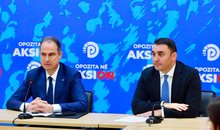
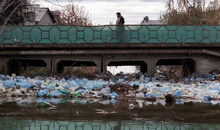

Tirana/ 40-year-old woman drowns herself in Dry Lake
2026-07-16 10:08:00
How to help someone who is in danger of drowning
2026-07-16 09:37:48
Kapet me arsenal armësh në banesë, arrestohet 21-vjeçari në Shkodër
2026-07-16 09:14:36
Messi doesn't stop, sets another historic record at the World Cup
2026-07-16 08:59:40
Foreign exchange, the rate at which foreign currencies are sold and bought
2026-07-16 08:30:00
DP elects new leadership team, Flamur Noka confirmed as Secretary General
2026-07-16 08:10:33
Two vehicles collide on the Lushnje-Fier highway, one injured
2026-07-16 07:51:45
Scorching day, temperatures expected to reach 39 degrees
2026-07-16 07:33:46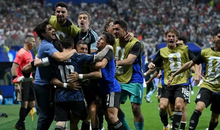
Argentina knocks England out, secures final with Spain
2026-07-16 07:16:02
Morning Post/ In 2 lines: What mattered yesterday in Albania
2026-07-16 07:01:01

Gordon ignites England, the "Three Lions" take the lead against Argentina
2026-07-15 22:19:55

Berisha: DP completes reorganization of structures, renewal will continue
2026-07-15 21:39:00
Beteja e titanëve! Anglia dhe Argjentina luajnë për finalen me Spanjën
2026-07-15 21:07:22
Bozdo on the electoral process in the DP: The renewal does not end here
2026-07-15 20:49:44