 Flash News
Shots fired at a bar in Elbasan, waiter injured
MEP warns Rama: EU is following the money, there will be consequences
Fire along the Fier-Vlora highway, making vehicle traffic difficult
Albanian arrested in Italy after 14 years for drug conviction
Institute of Geosciences: Tuesday is expected to be critical, these are the 9 regions at risk
How did the euro "lose" in Albania? Construction and informal money changed the foreign exchange market

Politiko
2026-07-20 08:42:00
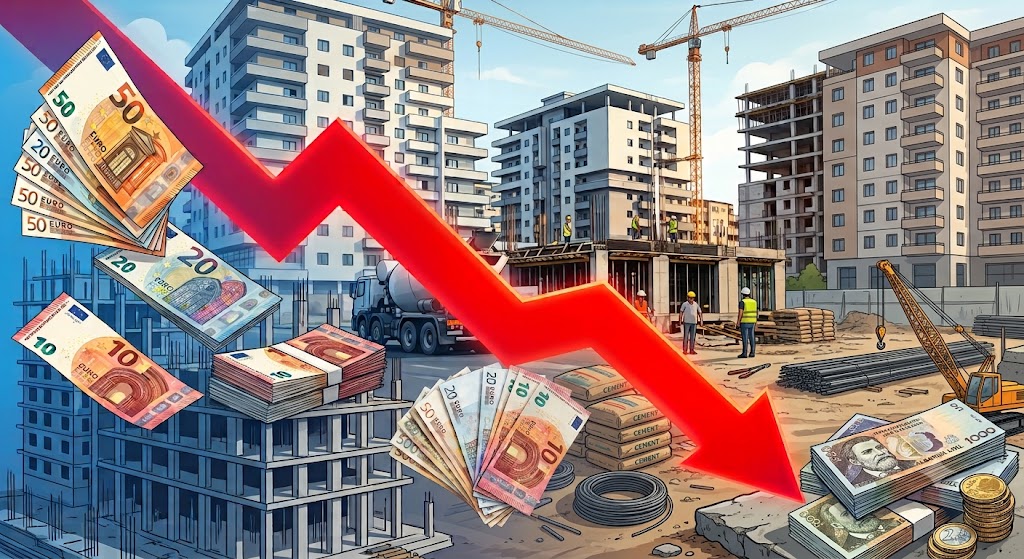
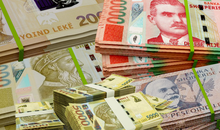
The euro has been on a sharp decline in the country, starting at the end of 2016. In 2015, the common currency was exchanged for an average of almost 140 lek.
In 2016, it dropped to 137.4 lek. Since then, the depreciation of the euro has not stopped, reaching 119 lek in 2022 and 100.7 lek in 2024.
In 2025, the euro fell below the 100 lek mark for the first time, with an annual average of 97.8 lek. The depreciation has continued at a slower pace this year, with an average from January 1 to July 17 of 95.6 lek.
But what are the factors that caused the euro to lose 20 lek from 2015 to 2022 (15% depreciation), 40 lek from 2015 to 2024 (28% depreciation) and 42 lek (-30%) in a decade (from 2015 to 2025).
From the processing of official data by Monitor and conversations with market operators, it results that there were two main reasons that explain this decline in the euro.
1. Construction permits and course
First, at least until 2024, the main explanation is related to the construction boom in the country. Construction has taken on greater proportions in recent years, as evidenced by the high level of total construction permits issued, which reached a record 2.1 - 2.7 million square meters in 2021 - 2024.
The first graph shows the inverse relationship between the increase in the area of building permits and the depreciation of the common currency for the period 2015 - 2024.
For 2025, such a comparison is impossible as INSTAT is unable to fully calculate the area of construction permits, as for buildings over 7 floors, they are no longer issued by the Municipalities, but by the Territorial Regulation Council, which does not report the data at all.
But indirect data from infrastructure impact tax revenues show that 2025 saw a slight decrease in construction area, but it increased significantly in the first 5 months of 2026.
According to official data from the Ministry of Finance, for the first 5 months, 15.3 billion lek were collected from the infrastructure impact tax, while in the best year, 2024, collections from this tax were 18 billion lek for the entire year, or the same as in 2025 (in 2025, revenues from this item were 16.3 billion lek, with a decrease of 11% from 2024).
Based on this data, it is indirectly calculated that only for the first 5 months of 2026, about 2 million square meters of construction could have been granted, which is expected to begin to become visible in the coming years. From an observation in Tirana, it is clear that what is currently being built are permits granted mainly in 2025.
Hetimet e SPAK zyrtarizuan faktin se sa lehtë ka hyrë paraja informale në ndërtim, edhe me skemat më elementare, siç është transporti i cash-it me kamion.
Kompania që SPAK vuri në hetim për lidhje me grupe kriminale dhe pastrimin e parave, Nova Constraction, i rrit të ardhurat nga 181 milionë lekë në 2017-n, në 4 miliardë lekë në 2024-n, duke u bërë brenda pak vitesh operatori më i madh për ndërtimet rezidenciale, sipas të dhënave nga Qendra Kombëtare e Biznesit, që publikon bilancet.
Në vitin 2024, kompania kishte detyrime prej 6 miliardë lekë dhe një kapital prej 1 miliardë lekësh. Raporti i detyrimeve ndaj kapitalit ishte rreth 6 me 1, që do të thotë se për çdo 1 lek kapital të vet, kompania kishte rreth 6 lekë detyrime dhe se zgjerimi i aktivitetit ishte mbështetur kryesisht te financimet nga palët e treta, jo te fondet e aksionerëve.
Nova raportonte në detyrimet afatgjata 3.6 miliardë lekë detyrime ndaj palëve të treta dhe asnjë kredi afatgjatë dhe në detyrimet afatshkurtra 2.65 miliardë lekë të pagueshme për aktivitetin e shfrytëzimit dhe sërish asnjë kredi.
Këto të dhëna tregojnë se kompania nuk e kishte mbështetur zgjerimin e saj te financimi bankar klasik. Burimi kryesor i financimit rezulton të ketë qenë borxhi ndaj palëve të treta, furnitorëve, klientëve ose subjekteve të lidhura me aktivitetin, në varësi të përbërjes së detajuar të këtyre zërave.
Bankat zakonisht preferojnë që detyrimet të mos jenë më shumë se dy deri në tri herë kapitali, megjithëse kufiri ndryshon sipas sektorit dhe flukseve të kompanisë. Raporti 6 me 1 i Nova Construction sinjalizon një nivel të lartë të levës financiare.
Në ndërtimin rezidencial, detyrimet ndaj palëve të treta përgjithësisht të përfshijnë edhe parapagimet e klientëve, financime nga ortakët, detyrime ndaj kompanive të lidhura, kontraktorëve dhe furnitorëve, që mundëson kanalizimin me lehtësi të parasë informale në ndërtim.
2.Të ashtuquajturat fondamente shpjegojnë pjesërisht forcimin e euros nga 2024-a
Faktori i dytë që ndikon kursin e këmbimit janë të ashtuquajturat fondamente, që zyrtarisht përmenden shpesh, që kanë ndikuar në forcimin e Lekut. Këto nënkutjnë një përmirësim të deficitit të llogarisë korente, që vjen si rrjedhojë e përmirësimit të ekonomisë reale.
Llogaria korrente mat diferencën mes valutës që hyn dhe asaj që del nga vendi përmes tregtisë së mallrave e shërbimeve, të ardhurave nga puna dhe investimet, bilancin e udhëtimeve, si dhe transfertave nga emigrantët.
Vendi ka qenë gjithmonë me deficit negativ të llogarisë korente, që nënkupton që më shumë valutë del nga Shqipëria, sesa hyn, në pjesën kryesore e lidhur me nivelin e lartë të importeve dhe eksportet e ulëta si dhe transferimin e fitimeve nga kompanitë e huaja. Në kahun tjetër, burimet e hyrjes së valutës janë remitancat, të ardhurat nga puna dhe bilanci nga udhëtimet, me turistët që sjellin valutë dhe shqiptarët që e nxjerrin jashtë.
The improvement of this deficit, theoretically, should lead to the strengthening of the domestic currency. But, from 2016 to 2022, the opposite happened. Although the current account deficit worsened (in 2022, a net outflow of 1.1 billion euros from the country, or 37% more than in 2016), so officially more currency left the country, the Euro depreciated by 13% over the same period.
From 2023, the current account deficit began to improve, especially in the third quarter, due to tourist inflows, becoming an additional factor in the decline of the Euro. The current account deficit decreased to 374 million euros in 2023. However, in 2024 it worsened again to 610 million euros, however, the depreciation of the common currency continued. The Euro depreciated by 8 lek in 2024, compared to the previous year, with a decrease of 8%.
In 2025, when the euro fell below 100 lek, the deficit improved significantly, to 178 million euros, being an important factor that influenced the decline of the euro. The main effect in improving the deficit was provided by tourism inflows, with the net travel balance reaching 2.7 billion euros and remittances, at 1.1 billion euros, reflecting the new cycle of emigration to the country.
On the other hand, demand from tourism, rather than boosting domestic production, led to the financing of imports, with the trade deficit reaching a record 5.9 billion euros!/ Monitor
Latest news
Artan Hoxha provides details about the injury of 3 young people in Elbasan
2026-07-20 22:50:00
Cako: Our thoughts will change with waves, expect an alien "attack"
2026-07-20 22:31:39
Rrezikonte mbytjen në lumin Vjosa në Këlcyrë, shpëtohet turistja 10-vjeçare
2026-07-20 21:49:04
Shots fired at a bar in Elbasan, waiter injured
2026-07-20 21:07:42
Massive fire in an apartment in Greece, residents evacuated
2026-07-20 20:48:16
Accident in front of the Foreign Ministry in Tirana
2026-07-20 20:21:15
MEP warns Rama: EU is following the money, there will be consequences
2026-07-20 19:41:54
Fire along the Fier-Vlora highway, making vehicle traffic difficult
2026-07-20 19:27:12
Albanian arrested in Italy after 14 years for drug conviction
2026-07-20 19:02:28
Air pollution at alarming levels, the state 'turns a blind eye'
2026-07-20 18:01:57
Plenary session postponed to Thursday after tensions
2026-07-20 17:30:54
Albania is "burning" from the heat, up to 47°C, here's when the cool down comes
2026-07-20 16:46:58
Mother and son in danger of drowning on Shëngjin beach are rescued
2026-07-20 16:01:03
The 10 best national teams in World Cup history
2026-07-20 14:40:00
Andy Burnham officially appointed as new UK Prime Minister
2026-07-20 14:24:00
Two laws that do not solve the real problems of Albanian agriculture
2026-07-20 13:59:00
Berisha-Ballës: Rama ordered Maznik to act unilaterally on territorial reform
2026-07-20 13:51:25
Vokshi: 12 gangs have worked to support the SP in all regions
2026-07-20 13:25:32
"My job is done," Keir Starmer officially resigns
2026-07-20 13:11:39
Why numbers don't dampen protest
2026-07-20 13:01:26
Rama to convene parliamentary group and government on Friday
2026-07-20 12:55:00
Car and truck collide on the Milot-Rrëshen road, 4 people injured
2026-07-20 12:46:16


Protesters throw eggs at Kumbaro and Çuçi's vehicles
2026-07-20 12:05:00


With whips in their hands, citizens mock socialist MPs: Rama's sheep!
2026-07-20 11:32:54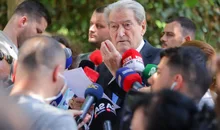
Evis Kushi and Iris Luarasi are greeted with whistles from protesters
2026-07-20 11:15:00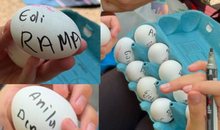

African heat wave ends, temperatures drop significantly from Wednesday
2026-07-20 10:51:08
Berisha: I found large bundles of narco-euro in the corridors of SPAK
2026-07-20 10:41:37
Flames engulf Iballa forests, arson suspected
2026-07-20 10:29:00
52-year-old arrested in Tirana, caught with grenades and TNT ready to explode
2026-07-20 10:01:30
Rubio: Iran is using the Strait of Hormuz as a tool of pressure
2026-07-20 09:53:00
Rodri named best player of the 2026 World Cup
2026-07-20 09:47:42
Water motors, the danger that "invades" the Albanian coast
2026-07-20 09:24:00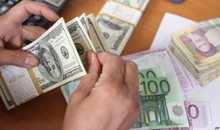
Foreign exchange rate July 20/ How much are major currencies bought and sold at?
2026-07-20 09:16:12
World Cup final degenerates into brawl, Paredes grabs opponent by the throat
2026-07-20 08:58:47
Today plenary session in the Parliament, DP gathers the parliamentary group
2026-07-20 08:27:18
Horoscope, get to know the star forecast
2026-07-20 08:14:00

Morning Post/ In 2 lines: What mattered yesterday in Albania
2026-07-20 07:45:00




A response to the minister's (non)response
2026-07-19 18:33:53
Fatal collision between two vehicles in Lushnja, one dead and 5 injured
2026-07-19 18:07:24

"It's not tourism", Tabaku: The devaluation of the euro comes from dirty money
2026-07-19 17:23:06
Macabre crime in Italy, journalist Luigi Esposito shot dead
2026-07-19 17:02:02

Tragedy in Guyana, ferry sinks with 116 passengers on board
2026-07-19 16:19:41
What has influenced the appreciation of the lek?
2026-07-19 15:34:23
Kylian Mbappe knocks out Messi, sets new World Cup record
2026-07-19 15:12:54
Automjeti del nga rruga në Rrugën e Kombit, plagosen dy persona
2026-07-19 14:24:33
10 Bashki që shkrihen përballë 10 arsyeve pse bashkitë duhet të shtohen
2026-07-19 12:28:32


Iranian attacks in Jordan, two US soldiers killed
2026-07-18 21:59:55

Two zodiac signs that always find a reason to fight
2026-07-18 21:12:14
Marjana Koçeku comes out again for the departure of Edi Rama
2026-07-18 20:51:16
Spain faces hottest week of summer, temperatures expected to reach 45°C
2026-07-18 20:05:47
He who laughs last laughs best, Madam Minister.
2026-07-18 19:40:43
An elderly man in Durrës lost his life while swimming in the sea
2026-07-18 19:23:59