 Flash News
Shots fired at a bar in Elbasan, waiter injured
MEP warns Rama: EU is following the money, there will be consequences
Fire along the Fier-Vlora highway, making vehicle traffic difficult
Albanian arrested in Italy after 14 years for drug conviction
Institute of Geosciences: Tuesday is expected to be critical, these are the 9 regions at risk
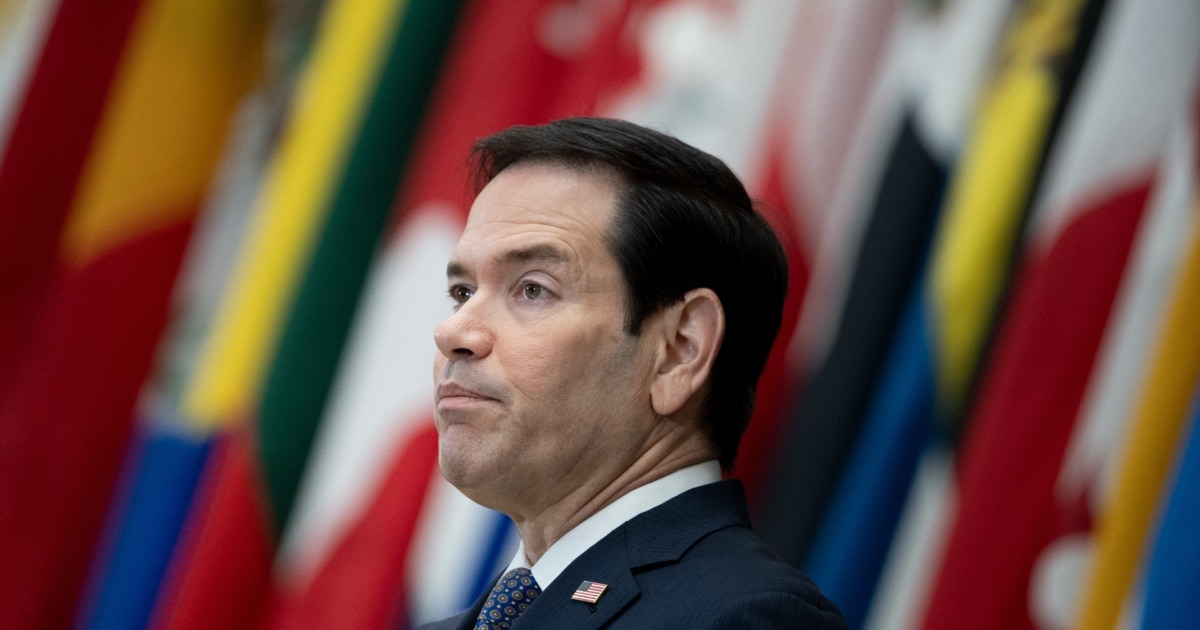
US Secretary of State Marco Rubio said Iran is trying to use the Strait of Hormuz as a "tool to pressure the world".
He accused it of seeking to control a vital international route and called on other countries to share the burden of protecting global maritime transport.
Speaking to reporters before departing for a meeting in the Philippines, Rubio said US military operations are focused solely on stopping Iranian attacks on merchant ships and weakening Tehran's ability to threaten maritime traffic.
"It's clear that Iran, or at least some people in Iran, want to control the Strait and use it as a tool to pressure the world," Rubio said.
"The United States will continue to do what is necessary to protect global shipping, but other countries must also begin to contribute, whether with equipment or financial means, to share this burden," he added.
According to him, Washington cannot remain solely responsible for securing one of the busiest maritime trade routes in the world.
"It is not the job of the United States to forever protect the entire planet's shipping," Rubio said.
Diplomacy remains possible
Rubio said the current US military campaign is only targeting Iranian capabilities that are being used to launch missiles and drones at commercial ships in the Strait of Hormuz.
He described the Strait as an international route that must remain open.
"The only reason the United States is carrying out attacks is to strike Iranian capabilities that are being used to attack global commercial shipping," he said.
According to him, American forces have succeeded in reducing Iran's ability to strike ships and many attacks have been prevented before they were carried out.
"You hear about the ships that were hit. But you don't hear about the ones that were defended and the attacks that Iran failed to carry out," Rubio said.
Reiterating that Washington remains open to negotiations, Rubio said diplomacy would require a real change in Tehran's behavior.
"We are always open to diplomacy. But it has to be real. It has to be an agreement that they are willing to respect," he said.
Rubio accused Iran of violating previous understandings by continuing attacks on ships instead of reopening the Strait of Hormuz.
"Their behavior must change for ours to change as well," he said, adding that Tehran continues to send signals through direct and indirect channels that it is interested in negotiations, while continuing missile and drone attacks.
Divisions within Iran
Rubio said that, within the Iranian leadership, divisions appear to be deepening between officials seeking economic relief through diplomacy and hardliners who want to continue the military confrontation.
"There is a growing divide between those who understand that their economy is in dire straits and others who have a very combative approach and continue to launch missiles," he said.
Rubio said Washington would welcome negotiations if more pragmatic voices gained more influence in Tehran, but warned that continuing the confrontation would deepen Iran's economic crisis.
"I don't think this is going to be good for Iran," Rubio said, describing the country's economy as in ruins, with high inflation, food and fuel shortages, falling incomes and serious domestic problems.
Rubio also accused the Iranian leadership of using resources to support groups like Hezbollah, Hamas and regional militias, instead of investing in its own people.
According to him, within Iran, including among some government officials, there is a growing awareness that the country's current direction is not sustainable.
"If the door opens for diplomacy, we will welcome it," Rubio said./ REL
Latest news

Artan Hoxha provides details about the injury of 3 young people in Elbasan
2026-07-20 22:50:00
Cako: Our thoughts will change with waves, expect an alien "attack"
2026-07-20 22:31:39

Rrezikonte mbytjen në lumin Vjosa në Këlcyrë, shpëtohet turistja 10-vjeçare
2026-07-20 21:49:04
Shots fired at a bar in Elbasan, waiter injured
2026-07-20 21:07:42
Massive fire in an apartment in Greece, residents evacuated
2026-07-20 20:48:16
Accident in front of the Foreign Ministry in Tirana
2026-07-20 20:21:15

MEP warns Rama: EU is following the money, there will be consequences
2026-07-20 19:41:54
Fire along the Fier-Vlora highway, making vehicle traffic difficult
2026-07-20 19:27:12
Albanian arrested in Italy after 14 years for drug conviction
2026-07-20 19:02:28
Air pollution at alarming levels, the state 'turns a blind eye'
2026-07-20 18:01:57
Plenary session postponed to Thursday after tensions
2026-07-20 17:30:54

Albania is "burning" from the heat, up to 47°C, here's when the cool down comes
2026-07-20 16:46:58

Mother and son in danger of drowning on Shëngjin beach are rescued
2026-07-20 16:01:03


The 10 best national teams in World Cup history
2026-07-20 14:40:00
Andy Burnham officially appointed as new UK Prime Minister
2026-07-20 14:24:00

Two laws that do not solve the real problems of Albanian agriculture
2026-07-20 13:59:00
Berisha-Ballës: Rama ordered Maznik to act unilaterally on territorial reform
2026-07-20 13:51:25
Vokshi: 12 gangs have worked to support the SP in all regions
2026-07-20 13:25:32
"My job is done," Keir Starmer officially resigns
2026-07-20 13:11:39
Why numbers don't dampen protest
2026-07-20 13:01:26
Rama to convene parliamentary group and government on Friday
2026-07-20 12:55:00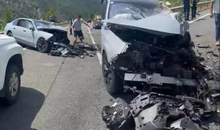
Car and truck collide on the Milot-Rrëshen road, 4 people injured
2026-07-20 12:46:16



Protesters throw eggs at Kumbaro and Çuçi's vehicles
2026-07-20 12:05:00


With whips in their hands, citizens mock socialist MPs: Rama's sheep!
2026-07-20 11:32:54

Evis Kushi and Iris Luarasi are greeted with whistles from protesters
2026-07-20 11:15:00



African heat wave ends, temperatures drop significantly from Wednesday
2026-07-20 10:51:08
Berisha: I found large bundles of narco-euro in the corridors of SPAK
2026-07-20 10:41:37
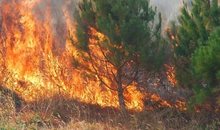
Flames engulf Iballa forests, arson suspected
2026-07-20 10:29:00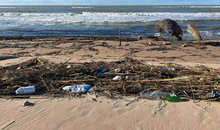

52-year-old arrested in Tirana, caught with grenades and TNT ready to explode
2026-07-20 10:01:30
Rubio: Iran is using the Strait of Hormuz as a tool of pressure
2026-07-20 09:53:00

Rodri named best player of the 2026 World Cup
2026-07-20 09:47:42

Water motors, the danger that "invades" the Albanian coast
2026-07-20 09:24:00
Foreign exchange rate July 20/ How much are major currencies bought and sold at?
2026-07-20 09:16:12
World Cup final degenerates into brawl, Paredes grabs opponent by the throat
2026-07-20 08:58:47


Today plenary session in the Parliament, DP gathers the parliamentary group
2026-07-20 08:27:18
Horoscope, get to know the star forecast
2026-07-20 08:14:00

Morning Post/ In 2 lines: What mattered yesterday in Albania
2026-07-20 07:45:00









A response to the minister's (non)response
2026-07-19 18:33:53
Fatal collision between two vehicles in Lushnja, one dead and 5 injured
2026-07-19 18:07:24

"It's not tourism", Tabaku: The devaluation of the euro comes from dirty money
2026-07-19 17:23:06
Macabre crime in Italy, journalist Luigi Esposito shot dead
2026-07-19 17:02:02

Tragedy in Guyana, ferry sinks with 116 passengers on board
2026-07-19 16:19:41

What has influenced the appreciation of the lek?
2026-07-19 15:34:23
Kylian Mbappe knocks out Messi, sets new World Cup record
2026-07-19 15:12:54
Automjeti del nga rruga në Rrugën e Kombit, plagosen dy persona
2026-07-19 14:24:33
10 Bashki që shkrihen përballë 10 arsyeve pse bashkitë duhet të shtohen
2026-07-19 12:28:32


Iranian attacks in Jordan, two US soldiers killed
2026-07-18 21:59:55


Two zodiac signs that always find a reason to fight
2026-07-18 21:12:14
Marjana Koçeku comes out again for the departure of Edi Rama
2026-07-18 20:51:16

Spain faces hottest week of summer, temperatures expected to reach 45°C
2026-07-18 20:05:47
He who laughs last laughs best, Madam Minister.
2026-07-18 19:40:43
An elderly man in Durrës lost his life while swimming in the sea
2026-07-18 19:23:59