 Flash News
Fatal collision between two vehicles in Lushnja, one dead and 5 injured
Tragedy in Guyana, ferry sinks with 116 passengers on board
Journalist Enrik Mehmeti lost his life in an accident, who was he? He dedicated over two decades to his profession
Assassination in Saranda / Thimjo Rubati was shot with 3 bullets, here is his health condition
Assassination of Thimjo Rubati, abandoned motorbike may lead to identification of perpetrators
Irena Beqiraj
Albert Einstein said: "Not everything that counts counts and not everything that counts counts counts".
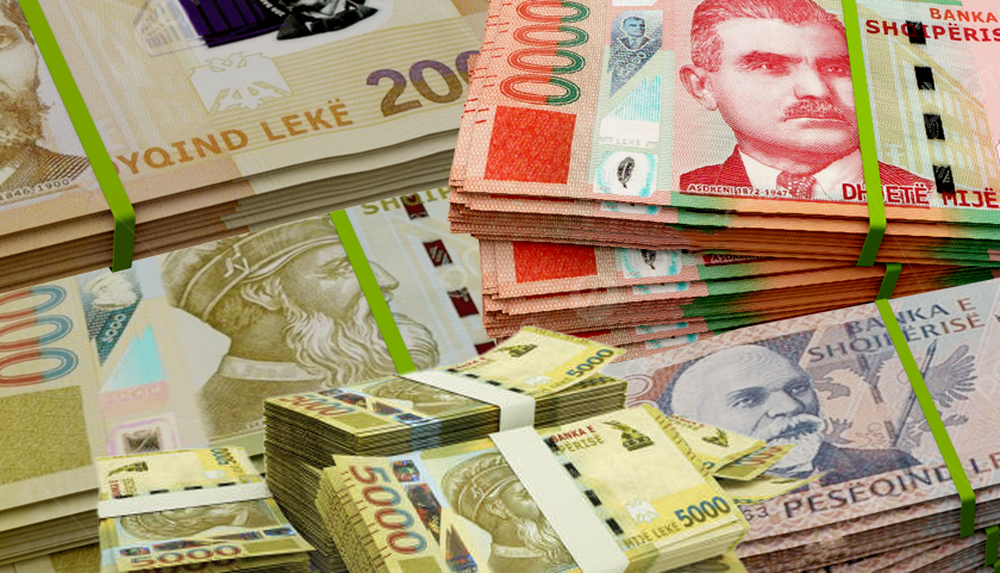
This expression came to mind while I was summarizing these lines about the overvaluation of the lek or as the Bank of Albania calls it, the lek appreciation.
Can tourism revenues explain the lek appreciation?
While the largest lek appreciation was observed in 2023, tourism flows and the annual appreciation of the Albanian Lek (ALL) against the Euro (EUR) from 2020 to 2025 are low.
According to the econometric modeling of the Bank of Albania, only 23% of the overall volatility and structural appreciation of the lek during the period 2020 -2025 is directly attributable to tourism revenues.
What about the flow of foreign direct investment?
The Pearson correlation coefficient between the annual growth (YoY) % of Foreign Direct Investment (FDI) flows and the annual appreciation of the Albanian Lek (ALL) against the Euro (EUR) from 2020 to 2025 is negative -0.3588.
This weak negative correlation between the rate of acceleration of FDI growth and the rate of acceleration of currency appreciation during this specific period indicates that the acceleration of Lek appreciation has been statistically decoupled from the rate of FDI percentage growth.
What remains? Remittances or remittances!
The only positive correlation of around 0.75 is observed between the annual growth (YoY) % of remittance flows and the annual appreciation of the Albanian Lek against the Euro (EUR).
But unfortunately their specific weight in the addition to the money supply cannot fully explain the experienced appreciation of the Lek.
So, econometric analysis shows that in the years 2020 - 2025, 25% to 40% of the appreciation of the lek remains unjustified by income from tourism, foreign direct investment, or remittances passing through official channels.
Meanwhile, the official figures of the real economy do not fully justify the appreciation of the lek, meaning that there is an unofficial real economy that is supplied with flows in foreign currency that are not counted, but that is worth addressing when talking about the strengthening of the lek.
-The devil is in the details!
Although the Bank of Albania does not openly oppose the government, when it talks about the strengthening of the lek it calls it appreciation.
If we are to refer to the currency as a security, its valuation depends on the Purchasing Power Parity (PPP).
It is undervalued when the price of the currency is lower than justified by economic fundamentals;
Fairly valued (in equilibrium): when the market exchange rate accurately reflects its real economic value based on supply and demand and purchasing power;
Overvalued when the currency is trading more expensive than economic fundamentals and purchasing power justify.
Meanwhile, all economists who understand the effects of appreciation on welfare and the economy in the long term should be concerned.
Every economist free from state duties is within his right to attribute this appreciation to any additional undeclared factor, and to demand intervention to change the situation.
Meanwhile, every economist who exercises state duties has the duty not only to listen but also to argue with measurements why the lek is overvalued and what has led to this appreciation, which must definitely be balanced!
PS. This status may be difficult for the non-economist reader, but today this is how the mule loved the wood
Latest news





A response to the minister's (non)response
2026-07-19 18:33:53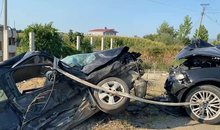
Fatal collision between two vehicles in Lushnja, one dead and 5 injured
2026-07-19 18:07:24

"It's not tourism", Tabaku: The devaluation of the euro comes from dirty money
2026-07-19 17:23:06
Macabre crime in Italy, journalist Luigi Esposito shot dead
2026-07-19 17:02:02

Tragedy in Guyana, ferry sinks with 116 passengers on board
2026-07-19 16:19:41
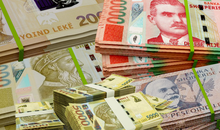
What has influenced the appreciation of the lek?
2026-07-19 15:34:23
Kylian Mbappe knocks out Messi, sets new World Cup record
2026-07-19 15:12:54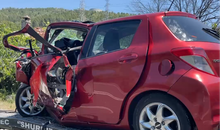
Automjeti del nga rruga në Rrugën e Kombit, plagosen dy persona
2026-07-19 14:24:33
10 Bashki që shkrihen përballë 10 arsyeve pse bashkitë duhet të shtohen
2026-07-19 12:28:32


Iranian attacks in Jordan, two US soldiers killed
2026-07-18 21:59:55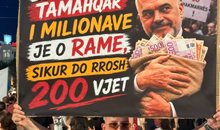


Two zodiac signs that always find a reason to fight
2026-07-18 21:12:14
Marjana Koçeku comes out again for the departure of Edi Rama
2026-07-18 20:51:16
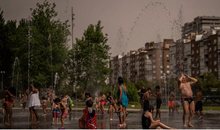
Spain faces hottest week of summer, temperatures expected to reach 45°C
2026-07-18 20:05:47
He who laughs last laughs best, Madam Minister.
2026-07-18 19:40:43
An elderly man in Durrës lost his life while swimming in the sea
2026-07-18 19:23:59



How much money is at stake in the 2026 World Cup final?
2026-07-18 16:20:39

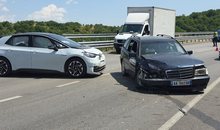
Accident in Qafë Plloçë, two cars collide
2026-07-18 15:04:55

The silent epidemic: One in two Albanians dies from heart disease
2026-07-18 11:05:27
Leku forcohet e nuk ka frikë, se çunat jashtë merren me botanikë!
2026-07-18 10:42:31


"Life surprises you", Messi talks about the iconic photo with Lamine Yamal
2026-07-18 09:35:38
Foreign exchange, how much foreign currencies are bought and sold today
2026-07-18 09:05:55
Horoscope, get to know the star forecast
2026-07-18 08:49:58
Serious incident in Korça, stepfather stabs 18-year-old to the head
2026-07-18 08:40:29
Temperatures up to 38 degrees Celsius, weather forecast for today
2026-07-18 08:14:11
Morning Post/ In 2 lines: What mattered yesterday in Albania
2026-07-18 07:59:39
Shooting in Saranda, one person injured
2026-07-17 21:48:51


'Dove Lady' in 'Home Alone' dies
2026-07-17 20:41:14



The irony of summer! 350 stolen sunbeds end up in Rodon, Italians appeal to Rama
2026-07-17 19:00:08
Leku, world champion, has anyone seen VAR?
2026-07-17 18:24:20
7.4 magnitude earthquake strikes Mexico, tsunami alert issued
2026-07-17 18:14:15
EC report/ Albania slows growth, industry and agriculture show signs of weakness
2026-07-17 17:18:36



Why did Edi Rama need Martin Can's dead body once again?
2026-07-17 15:23:24
Scorching weekend, temperatures up to 41 degrees on Sunday
2026-07-17 15:08:58
Andy Burnham clears final hurdle, begins path to British Prime Ministership
2026-07-17 14:35:19
Ronaldo: Cristiano can play in Arabia, but the World Cup is another level
2026-07-17 14:16:36
Which club has the most players in the World Cup final?
2026-07-17 13:54:23
Prices rose by 3.2% in June, the main effect coming from food and entertainment.
2026-07-17 13:32:56



EPPO (European Public Prosecutor's Office) in Tirana as a meaningful step
2026-07-17 12:09:36
Bank of Albania proposes that the Governor have immunity from arrest
2026-07-17 11:33:20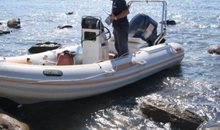
Rv with 11 migrants stranded at sea near Vlora, rescued by Border Police
2026-07-17 11:15:07
Albanian elites: From Enver's cauldron to the mastermind of neo-communism!
2026-07-17 10:51:22
The silence that smells
2026-07-17 09:53:05
Crime officer physically assaulted in Saranda, police launch checks
2026-07-17 09:33:36
Foreign exchange, the rate at which foreign currencies are sold and bought
2026-07-17 08:53:48