 Flash News
Car and truck collide on the Milot-Rrëshen road, 4 people injured
PS changes the agenda, Berisha-Peleshi: You will be remembered as the fierce enemy of the Constitution
Video/ "Am I offending you?", the moment when the police forcibly remove Dritan Goxhaj and other protesters
With whips in their hands, citizens mock socialist MPs: Rama's sheep!
Before the start of the session, citizens label eggs with the names of politicians
McGonigal investigation, Bardhi opposes the Constitutional Court's decision: It did not provide justice, it did politics

Politiko
2026-07-19 19:31:03
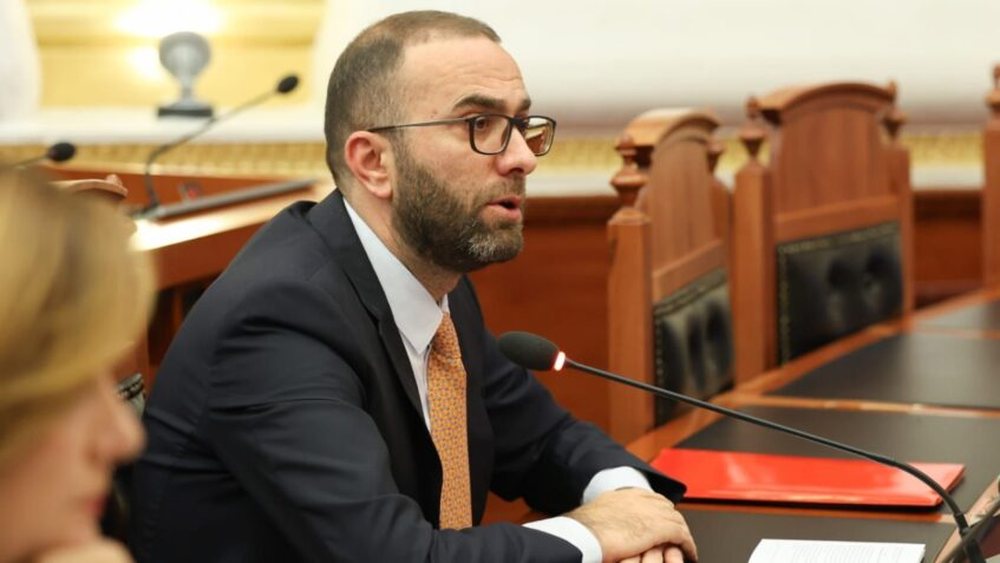
The Chairman of the Democratic Party Parliamentary Group, Gazment Bardhi, has reacted after the Constitutional Court's decision to accept the parliamentary investigation into the May 11 elections, but reject the request to establish an investigative commission on the "McGonigal" case. In a reaction on social media, Bardhi accused the Constitutional Court of using different standards for different issues and that the decision on "McGonigal" protected Prime Minister Edi Rama.
He warned that the opposition will reformulate the request and resubmit it to the Assembly.
Bardhi's reaction:
"Weekend | Reflections on the reasoning of the Constitutional Court's decision no. 62/2026, on the acceptance of the parliamentary investigation into the May 11 elections and the rejection of the parliamentary investigation into the "McGonigal" case
I take the decisions of the Constitutional Court very seriously and try to analyze them very carefully, due to their importance in preserving constitutionality in the country, but also in guaranteeing the balance between powers.
However, this was one of those decisions that, despite reading it several times, I failed to understand the constitutional standard that should be followed. I believe it is not my fault, but clearly due to the fact that the constitutional judges themselves do not have a consistent constitutional standard.
It has already been proven that this judicial body changes standards according to the case, facts according to the interest of the moment, arguments according to political circumstances, and constitutional provisions according to the individuals involved.
In the specific decision, the same judges have one standard for the parliamentary investigation of the May 11 elections and another standard for the parliamentary investigation of the “McGonigal” case. No surprise! After all, they have not provided constitutional justice, but have tried to do politics, taking Prime Minister Edi Rama under their protection, in an unconstitutional manner. However, I guarantee that this attempt will fail and that justice will be served.
It has now become a well-known practice of the Constitutional Court of the Republic of Albania to make decisions without providing full justifications.
Every time the Constitutional Court finds itself in difficulty in arguing for political protection against Edi Rama, the scenario is the same. The judges are divided into several groups and no group constitutes a majority that would force the Court to exhaustively justify its decision-making. This was also the case with the rejection of the request for a parliamentary investigation into the “McGonigal” case, where the judicial body was divided into three groups and none of them constituted a decision-making majority.
Në këtë reflektim nuk do të ndalem te tri fjalitë e shkruara nga gjyqtarët kushtetues Genti Ibrahimi dhe Marjana Semini. Në çdo rast, ata janë treguar më të ndershëm, pasi kanë pranuar se, në kërkesën e opozitës, kanë dalluar fotografitë e Edi Ramës me McGonigal dhe kanë mbetur aty. Nuk kanë arritur të lexojnë më shumë sesa ajo që shihet vizualisht.
Për shembull, nuk kanë arritur të lexojnë – ose u ka shpëtuar për shkak të shpërqendrimit – se në kërkesë specifikoheshin faktet dhe grupet e fakteve që tregonin se McGonigal ndodhej në zyrën e Edi Ramës jo thjesht për fotografi apo video, por për të ndërhyrë në një procedurë tenderimi në fushën e hidrokarbureve, duke kërkuar që tenderi të fitohej nga kompania për të cilën lobonin dhe, në këmbim, t’i ofrohej Kryeministrit Edi Rama një sulm i orkestruar ndaj opozitës në Shqipëri.
Nuk kanë lexuar se këtë nuk e pretendon vetëm kërkesa e opozitës, por edhe vendimet e drejtësisë amerikane, dy vendime të formës së prerë të drejtësisë shqiptare, si edhe vendimi i Gjykatës Ndërkombëtare të Arbitrazhit, të cilat ishin pjesë integrale e kërkesës.
Megjithatë, nuk kam ndërmend t’ua ndryshoj shijet dy gjyqtarëve kushtetues. Është e drejta e tyre të pëlqejnë fotografitë dhe videot dhe të ndalen aty, duke mos u kushtuar rëndësi fakteve, të dhënave, vendimeve të drejtësisë amerikane, arbitrazhit ndërkombëtar apo vendimeve të drejtësisë shqiptare.
Ky reflektim do të ndalet te qëndrimi i katër gjyqtarëve, të cilët në këtë rast përbëjnë edhe shumicën: Kryetares së Gjykatës, Fiona Papajorgji, dhe gjyqtarëve Sonila Bejtja, Sandër Beci dhe Ilir Toska. Kjo për faktin se, sipas tyre, çështja “McGonigal” nuk është fare çështje. Pra, sipas këtij arsyetimi, drejtësia amerikane që e ka hetuar dhe drejtësia shqiptare që prej katër vitesh deklaron se po e heton, paskan sajuar një çështje që, në të vërtetë, nuk ekziston.
Mirëpo, unë besoj se çdo shqiptar që beson te parimi i barazisë para ligjit, te shteti i së drejtës dhe te Kushtetuta e vendit të tij, pret që kushdo që guxon të deklarojë se çështja “McGonigal” nuk është fare çështje, të ndihet të paktën i turpëruar. Kushdo që e thotë këtë nuk asgjëson thjesht faktet; ai asgjëson ligjin dhe Kushtetutën mbi të cilën pretendon se është betuar në fillim të detyrës së tij.
Së pari, katër gjyqtarët kushtetues pretendojnë se çështja “McGonigal” nuk është një çështje e veçantë, sepse, sipas tyre, “objekti i propozuar nuk individualizon me qartësi faktet ose grupin e fakteve që do t’i nënshtroheshin hetimit parlamentar”. Në këtë mënyrë, ata ngatërrojnë me vetëdije objektin e hetimit me planin paraprak të hetimit, i cili, sipas ligjit, paraqitet nga kryetari i Komisionit Hetimor Parlamentar, përfaqësues i kërkuesve, në mbledhjen e parë pas ngritjes së komisionit.
Objekti i hetimit përcakton çështjen që hetohet, pra fenomenin shtetëror që do t’i nënshtrohet kontrollit parlamentar. Ndërkohë, individualizimi i detajuar i fakteve dhe grupeve të fakteve bëhet në Planin Paraprak të Hetimit dhe, pas administrimit të të dhënave të para zyrtare, finalizohet në Planin e Hetimit, i cili miratohet me vendim të ndërmjetëm të Komisionit.
Nëse hetimi parlamentar do të kufizohej vetëm te faktet dhe grupet e fakteve që njihen paraprakisht nga kërkuesit, atëherë ai do ta humbiste vetë qëllimin e tij. Faktet që njihen nuk kanë nevojë të hetohen; ato shërbejnë vetëm si indicie të mjaftueshme për ekzistencën e një çështjeje që kërkon hetim parlamentar. Pikërisht kjo çështje përbën objektin e hetimit parlamentar dhe jo faktet apo grupet e fakteve që përmenden për të provuar ekzistencën e saj.
Së dyti, katër gjyqtarët kushtetues kanë shpikur një argument për të mbrojtur Edi Ramën, argument që as vetë shumica parlamentare nuk ka guxuar ta paraqesë si arsye për refuzimin e ngritjes së Komisionit Hetimor.
Detyra kushtetuese e gjyqtarëve të Gjykatës Kushtetuese nuk është të shpikin argumente për të “shpëtuar” Edi Ramën. Detyra e tyre është të kontrollojnë kushtetutshmërinë e argumenteve të paraqitura nga shumica parlamentare dhe të vlerësojnë nëse ato janë ose jo të mjaftueshme për të kufizuar një të drejtë kushtetuese të opozitës.
Në momentin që Gjykata Kushtetuese fillon të ndërtojë vetë argumente për të mbrojtur një palë, ajo humbet parimin themelor që duhet të karakterizojë çdo gjykim kushtetues: paanshmërinë.
Është një guxim i madh që atë që nuk e shpik dot as Taulant Balla për të mbrojtur Edi Ramën, e shpikin gjyqtarët kushtetues Fiona Papajorgji, Sonila Bejtja, Sandër Beci dhe Ilir Toska. Detyra e tyre nuk është të konkurrojnë me Taulant Ballën se kush e mbron më shumë Edi Ramën, por të japin drejtësi kushtetuese.
Së treti, katër gjyqtarët kushtetues shprehen se:
"As në kërkesën drejtuar Kuvendit dhe as gjatë shqyrtimit para Gjykatës nuk janë përcaktuar konkretisht veprimet ose mosveprimet e zyrtarëve shqiptarë që kërkohej të hetoheshin, lidhja e tyre me ushtrimin e funksioneve publike, si dhe mënyra se si ato preknin interesin publik me rëndësi të veçantë shtetërore."
Nëse nga qëndrimi i dy gjyqtarëve të parë arrita të kuptoj se të paktën kishin parë fotografitë që shoqëronin kërkesën, nga ky qëndrim i katër gjyqtarëve arrita në përfundimin se ata nuk e kanë hapur fare kërkesën, e jo më ta kenë lexuar atë.
Në kërkesën prej 14 faqesh të opozitës për ngritjen e Komisionit Hetimor Parlamentar për çështjen “McGonigal”, pasi paraqiteshin faktet dhe grupet e fakteve, duke u referuar për secilin rast dokumenteve zyrtare përkatëse, thuhej ndër të tjera:
“The above facts and data are indications/facts/group of facts that Mr. Edi Rama, acting Prime Minister of the Republic of Albania, is suspected of being involved in suspicious activities, which were intended to: (i) harm the interests of the main opposition party (Democratic Party of Albania), through the initiation of a criminal investigation against the American lobbyist engaged in carrying out his activities; and (ii) create irregular and suspicious favors for citizen Charles McGonigal, particularly in granting benefits in the oil industry. To achieve these goals, a series of meetings were held in the period 2017–2018 between Mr. Edi Rama and citizens McGonigal, Neza and Duçka; documents and information were made available by the Office of the Prime Minister; $225,000 was offered, as well as travel and accommodation expenses were paid for American citizen McGonigal and witnesses, with the aim of assisting in the criminal investigation against the American lobbyist of the Party Democratic.”
It is precisely these actions and inactions of Albanian officials that were requested to be investigated by the Parliamentary Investigative Committee.
So, the subject was clearly defined: Edi Rama.
Even the activity sought to be investigated was clearly defined: collaboration to orchestrate actions against the opposition in Albania, as well as the suspected benefits in exchange, not only in the form of payments, but also of state favors in the hydrocarbon sector.
Fourth, I believe that it would be more honest for the four constitutional judges, instead of playing the role of a public official who does not read or understand, or a public official who invents arguments, to openly define a constitutional standard, according to which, whenever the subject affected by the constitutional judgment is Edi Rama, the request is automatically considered rejected.
This way, they would save themselves the embarrassment, but they would also save the rest of us the time of having to go to this Court.
In conclusion, despite the above and despite the fact that I consider the decision of the Constitutional Court offensive and unacceptable, the Parliamentary Group of the Democratic Party recognizes the authority of the Constitutional Court and the binding force of its decisions.
For this reason, we will respect the decision of the Constitutional Court and, based on what we have failed to understand from its reasoning, we will make every effort to enter into the logic of the constitutional judges. We will reformulate our request according to the standard that, apparently, they require and we will re-submit to the Assembly of Albania the request for the establishment of this Investigative Commission.
In this way, the constitutional judges will also be deprived of the alibi to invent arguments in defense of Edi Rama. Otherwise, we will have to accept that a new constitutional principle – "Edi Rama is untouchable" – is already consolidated in the practice of the Constitutional Court. In that case, we will at least save ourselves time for the future.
Latest news
Andy Burnham officially appointed as new UK Prime Minister
2026-07-20 14:24:00

Two laws that do not solve the real problems of Albanian agriculture
2026-07-20 13:59:00
Berisha-Ballës: Rama ordered Maznik to act unilaterally on territorial reform
2026-07-20 13:51:25
Vokshi: 12 gangs have worked to support the SP in all regions
2026-07-20 13:25:32
"My job is done," Keir Starmer officially resigns
2026-07-20 13:11:39
Why numbers don't dampen protest
2026-07-20 13:01:26
Rama to convene parliamentary group and government on Friday
2026-07-20 12:55:00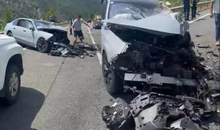
Car and truck collide on the Milot-Rrëshen road, 4 people injured
2026-07-20 12:46:16

Protesters throw eggs at Kumbaro and Çuçi's vehicles
2026-07-20 12:05:00

With whips in their hands, citizens mock socialist MPs: Rama's sheep!
2026-07-20 11:32:54
Evis Kushi and Iris Luarasi are greeted with whistles from protesters
2026-07-20 11:15:00
African heat wave ends, temperatures drop significantly from Wednesday
2026-07-20 10:51:08
Berisha: I found large bundles of narco-euro in the corridors of SPAK
2026-07-20 10:41:37

Flames engulf Iballa forests, arson suspected
2026-07-20 10:29:00
52-year-old arrested in Tirana, caught with grenades and TNT ready to explode
2026-07-20 10:01:30
Rubio: Iran is using the Strait of Hormuz as a tool of pressure
2026-07-20 09:53:00

Rodri named best player of the 2026 World Cup
2026-07-20 09:47:42

Water motors, the danger that "invades" the Albanian coast
2026-07-20 09:24:00
Foreign exchange rate July 20/ How much are major currencies bought and sold at?
2026-07-20 09:16:12
World Cup final degenerates into brawl, Paredes grabs opponent by the throat
2026-07-20 08:58:47


Today plenary session in the Parliament, DP gathers the parliamentary group
2026-07-20 08:27:18
Horoscope, get to know the star forecast
2026-07-20 08:14:00

Morning Post/ In 2 lines: What mattered yesterday in Albania
2026-07-20 07:45:00





A response to the minister's (non)response
2026-07-19 18:33:53
Fatal collision between two vehicles in Lushnja, one dead and 5 injured
2026-07-19 18:07:24
"It's not tourism", Tabaku: The devaluation of the euro comes from dirty money
2026-07-19 17:23:06
Macabre crime in Italy, journalist Luigi Esposito shot dead
2026-07-19 17:02:02

Tragedy in Guyana, ferry sinks with 116 passengers on board
2026-07-19 16:19:41

What has influenced the appreciation of the lek?
2026-07-19 15:34:23
Kylian Mbappe knocks out Messi, sets new World Cup record
2026-07-19 15:12:54
Automjeti del nga rruga në Rrugën e Kombit, plagosen dy persona
2026-07-19 14:24:33
10 Bashki që shkrihen përballë 10 arsyeve pse bashkitë duhet të shtohen
2026-07-19 12:28:32


Iranian attacks in Jordan, two US soldiers killed
2026-07-18 21:59:55

Two zodiac signs that always find a reason to fight
2026-07-18 21:12:14
Marjana Koçeku comes out again for the departure of Edi Rama
2026-07-18 20:51:16
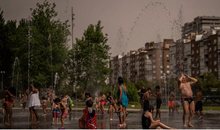
Spain faces hottest week of summer, temperatures expected to reach 45°C
2026-07-18 20:05:47
He who laughs last laughs best, Madam Minister.
2026-07-18 19:40:43
An elderly man in Durrës lost his life while swimming in the sea
2026-07-18 19:23:59






How much money is at stake in the 2026 World Cup final?
2026-07-18 16:20:39


Accident in Qafë Plloçë, two cars collide
2026-07-18 15:04:55



The silent epidemic: One in two Albanians dies from heart disease
2026-07-18 11:05:27
Leku forcohet e nuk ka frikë, se çunat jashtë merren me botanikë!
2026-07-18 10:42:31


"Life surprises you", Messi talks about the iconic photo with Lamine Yamal
2026-07-18 09:35:38

Foreign exchange, how much foreign currencies are bought and sold today
2026-07-18 09:05:55
Horoscope, get to know the star forecast
2026-07-18 08:49:58
Serious incident in Korça, stepfather stabs 18-year-old to the head
2026-07-18 08:40:29