 Flash News
Assassination of Thimjo Rubati, abandoned motorbike may lead to identification of perpetrators
Albanian Post Money in Casino/ Prosecution Accuses Former Director. Mataj: I Am a Free Citizen
The conflict over Vlora airport, the next test for the business climate in Albania
Albania has the most problematic waters in Europe, only 16.8% of beaches receive the "excellent" rating
Kush është "Sandri" Rubati? E shkuara e 50-vjeçarit që u plagos në atentatin në Sarandë
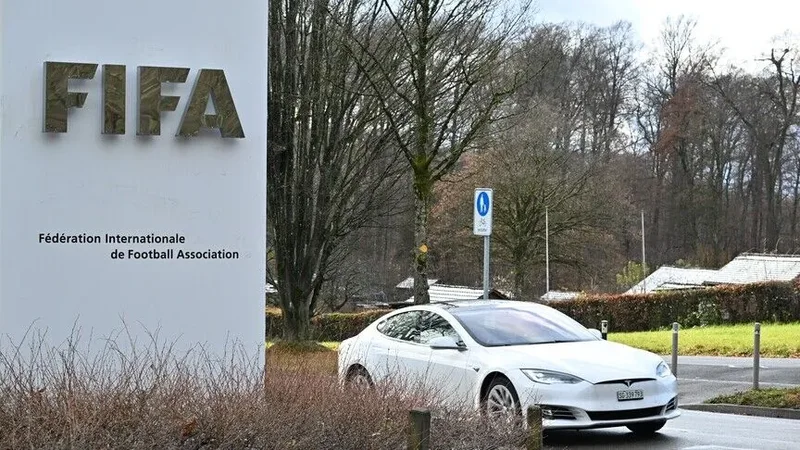
FIFA announced a record $871 million package for the 48 national federations involved in the tournament. The financial impact of the World Cup extends beyond national federations to clubs around the world.
Spain and Argentina will compete for the biggest trophy in football on Sunday, but the 2026 FIFA World Cup final will also determine how the largest financial distribution in the tournament's history will be divided.
FIFA has announced a record $871 million package for the 48 national associations that took part in the tournament in the US, Canada and Mexico.
The figure covers performance-related prizes, preparation fees and additional support for participating teams.
FIFA initially allocated $655 million in performance-related prizes as part of a $727 million package announced in December 2025, representing a 50% increase in prize money compared to the 2022 World Cup in Qatar.
The world champions will receive $50 million, while the losing finalists will receive $33 million.
The difference between victory and defeat in Sunday's final is therefore worth $17 million to the respective national federations.
Record payout for participating teams
FIFA increased its wider financial allocation just before the tournament, citing the commercial success of the expanded competition.
The preparation money for each team was increased from $1.5 million to $2.5 million, while the guaranteed payment for qualifiers was increased from $9 million to $10 million.
FIFA also allocated more than $16 million in additional contributions to the team, including subsidies for delegation costs and increased ticket allocations.
These increases brought the total amount to be distributed among the 48 participating associations to $871 million.
Financial rewards are paid to the Royal Spanish Football Federation and the Argentine Football Association, rather than being paid directly to individual players.
How much of the money will ultimately reach the players depends on the specific bonus agreements negotiated between each team and its national federation.
Neither federation has publicly revealed a full breakdown of the bonuses that individual players would receive for winning the final.
Each stage brings a financial reward
Under FIFA's original performance-based payment scheme, teams finishing between 33rd and 48th place were to receive $9 million. FIFA later increased the guaranteed payment for each qualifying association to $10 million.
Teams that reached the round of 32 received $11 million, while participants in the round of 16 received $15 million and quarterfinalists received $19 million.
The fourth-place team receives $27 million, while the third-place team receives $29 million.
Reaching the final guarantees Spain and Argentina much more than teams eliminated during the previous stages of the tournament.
Clubs also benefit
The financial impact of the World Cup extends beyond national federations.
FIFA runs a Club Benefits Program that compensates clubs for releasing players to national teams.
Payments are calculated in part based on the number of days players spend on tour and are distributed to the clubs that employed them during the relevant period.
The program's funding increased to a record $355 million for the 2026 World Cup, compared to approximately $209 million for the 2022 tournament.
Players from some of the biggest clubs in Europe and South America will be involved in Sunday's final, meaning the financial benefits will also extend to teams in Spain, Argentina and elsewhere.
Commercial value goes far beyond monetary price
Direct payments from FIFA represent only a fraction of the potential economic value generated by winning the World Cup.
A title can increase a federation's sponsorship appeal, demand for merchandise and wider commercial profile, while national associations may also have performance-related agreements with commercial partners.
For Argentina, victory would secure a second consecutive title and further strengthen the commercial attractiveness of a team led by Lionel Messi.
For Spain, a first World Cup triumph since 2010 would usher in a new generation led by Lamine Yamal and create new commercial opportunities for the federation and its sponsors.
The final will be played at the New York New Jersey Stadium in East Rutherford on Sunday, with kick-off scheduled for 19:00 GMT.
Latest news
How much money is at stake in the 2026 World Cup final?
2026-07-18 16:20:39

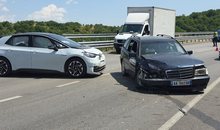
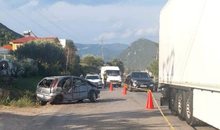
Accident in Qafë Plloçë, two cars collide
2026-07-18 15:04:55

The silent epidemic: One in two Albanians dies from heart disease
2026-07-18 11:05:27
Leku forcohet e nuk ka frikë, se çunat jashtë merren me botanikë!
2026-07-18 10:42:31

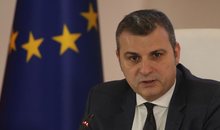
"Life surprises you", Messi talks about the iconic photo with Lamine Yamal
2026-07-18 09:35:38
Foreign exchange, how much foreign currencies are bought and sold today
2026-07-18 09:05:55
Horoscope, get to know the star forecast
2026-07-18 08:49:58
Serious incident in Korça, stepfather stabs 18-year-old to the head
2026-07-18 08:40:29
Temperatures up to 38 degrees Celsius, weather forecast for today
2026-07-18 08:14:11
Morning Post/ In 2 lines: What mattered yesterday in Albania
2026-07-18 07:59:39
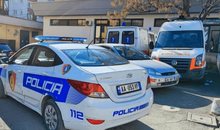
Shooting in Saranda, one person injured
2026-07-17 21:48:51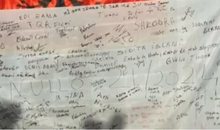


'Dove Lady' in 'Home Alone' dies
2026-07-17 20:41:14

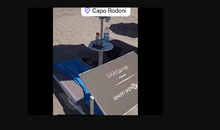
The irony of summer! 350 stolen sunbeds end up in Rodon, Italians appeal to Rama
2026-07-17 19:00:08
Leku, world champion, has anyone seen VAR?
2026-07-17 18:24:20
7.4 magnitude earthquake strikes Mexico, tsunami alert issued
2026-07-17 18:14:15
EC report/ Albania slows growth, industry and agriculture show signs of weakness
2026-07-17 17:18:36

Why did Edi Rama need Martin Can's dead body once again?
2026-07-17 15:23:24
Scorching weekend, temperatures up to 41 degrees on Sunday
2026-07-17 15:08:58
Andy Burnham clears final hurdle, begins path to British Prime Ministership
2026-07-17 14:35:19
Ronaldo: Cristiano can play in Arabia, but the World Cup is another level
2026-07-17 14:16:36
Which club has the most players in the World Cup final?
2026-07-17 13:54:23
Prices rose by 3.2% in June, the main effect coming from food and entertainment.
2026-07-17 13:32:56
EPPO (European Public Prosecutor's Office) in Tirana as a meaningful step
2026-07-17 12:09:36
Bank of Albania proposes that the Governor have immunity from arrest
2026-07-17 11:33:20
Rv with 11 migrants stranded at sea near Vlora, rescued by Border Police
2026-07-17 11:15:07
Albanian elites: From Enver's cauldron to the mastermind of neo-communism!
2026-07-17 10:51:22
The silence that smells
2026-07-17 09:53:05
Crime officer physically assaulted in Saranda, police launch checks
2026-07-17 09:33:36
Foreign exchange, the rate at which foreign currencies are sold and bought
2026-07-17 08:53:48
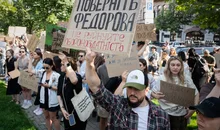
Protests in Ukraine after Zelensky dismisses defense minister
2026-07-17 08:20:59
Posta e mëngjesit/ Me 2 rreshta: Çfarë pati rëndësi dje në Shqipëri
2026-07-17 08:02:00
Dervishi: Patronazhistët janë qenie të pështira
2026-07-16 22:11:42
Kosova në garë për fondet e BE-së, raporti dorëzohet në afatin e fundit
2026-07-16 21:29:45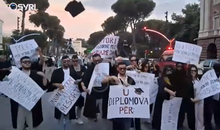

Mira Murati challenges AI giants, her company introduces the new model "Inkling"
2026-07-16 20:48:23
Seven things you should never do when eating in Italy
2026-07-16 20:24:02
"47 days, we will not retreat"/ Spicy banners from the protest
2026-07-16 20:09:50
Korrupsion gjatë detyrës, arrestohen dy efektivë të Komisariatit nr. 3 në Tiranë
2026-07-16 19:36:45
Accident on the Elbasan-Librazhd axis, 19-year-old loses his life
2026-07-16 18:45:00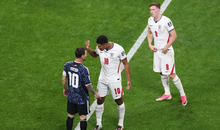
Knife wound at Shkodra Polyclinic, 18-year-old and his father arrested
2026-07-16 17:52:20
Are we experiencing the worst Mercury retrograde ever?
2026-07-16 17:01:00
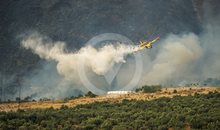
“Legjenda” e dy avionëve zjarrfikës në Shqipëri
2026-07-16 16:28:00


Astrit Kalasa's murder in the courtroom, investigations extended by three months
2026-07-16 14:59:56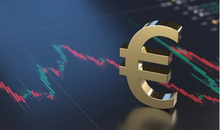
The Euro's decline returns, touching a new historical record near 93.6 lek
2026-07-16 14:42:59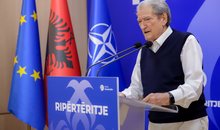
Berisha: Edi Rama does not accept any protest demands, we support all of them
2026-07-16 13:59:16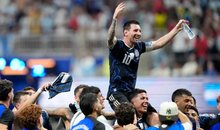
When Parliament begins to represent the prison
2026-07-16 12:35:25
For these 4 zodiac signs, a new chapter in love begins
2026-07-16 12:19:04

Tenders, IPARD and "5D"/SPAK pardons Erion Isai for the property investigation
2026-07-16 11:55:42