
 Flash News
Rama e shpalli
Daughter drowned with cousin/ Father: She begged me to go to the beach with her aunt, the first time I let her
SP rejects protesters' demands, rejects DP's request for a motion with debate
60 students poisoned at the Security Academy, police provide details: They are being investigated, food samples have been taken
Details from the crime in Kavaja, how a brother killed his brother over a road
"Continuing house arrest was unconstitutional", the Constitutional Court's decision on Berisha, full reasoning published

Politiko
2026-01-15 22:05:41
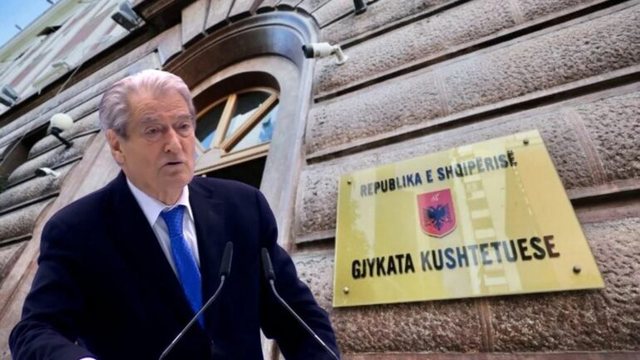
The full decision of the Constitutional Court on the request of the leader of the Democratic Party, Sali Berisha, regarding the three decisions of the lower courts on the security measure "house arrest", is published, finding that the duration of this measure was excessive.
In the decision taken in the plenary session, the Constitutional Court found that the continuation of this measure was contrary to the Constitution, due to the lack of sufficient and proportionate justification for the restriction of personal freedom, partially accepting Berisha's request and declaring the relevant decisions unconstitutional, although without repealing them because the measure was no longer in force.
Full decision:
The Constitutional Court of Albania on 17.12.2025 considered in a plenary session, based on documents, the case with the applicant Sali Berisha, with the subject: "Abolition of decisions no. 400, dated 30.07.2024 of the Special Court of First Instance for Corruption and Organized Crime; no. 172 (87-2024-248), dated 13.09.2024 of the Special Court of Appeal for Corruption and Organized Crime; no. 00-2024-2076, dated 17.12.2024 of the Criminal Chamber of the Supreme Court, as incompatible with the Constitution of the Republic of Albania.".
The Constitutional Court (Court) convened on 15.01.2026 and, after considering the claims of the parties, assessed the following:
In 2023, it turns out that, at the request of the prosecutor, the ordinary courts imposed the personal security measures "Obligation to report to the Judicial Police" and "Prohibition on leaving the country", since in assessing the security needs, the courts accepted that there were reasons that put at risk the obtaining or authenticity of the evidence and, likewise, there was a risk of the applicant's escape (first trial). The judicial decisions that have disposed of these security measures have become the subject of review by the Court, which, with decision no. 81, dated 21.11.2024 (decision no. 81/2024), has decided to partially accept the request and annul the court decisions that had imposed those measures, as incompatible with the Constitution of the Republic of Albania, only for the part that imposed the personal security measure "Prohibition of leaving the country", with the reasoning that in imposing these two measures on the applicant, the court decisions lack justification, therefore it does not appear that they have assessed the need for imposing them for the same proceedings against him.
Për shkak se kërkuesi nuk ka respektuar një prej masave të sigurimit të caktuar nga gjykata, “Detyrimi për t’u paraqitur në Policinë Gjyqësore”, për kërkesën e prokurorit gjykatat e zakonshme, në datën 30.12.2023, kanë zëvendësuar masat e sigurimit të vendosura ndaj kërkuesit me masën “Arresti në shtëpi” (procesi i dytë). Edhe procesi gjyqësor që disponoi për zëvendësimin e masave të sigurimit ndaj kërkuesit, duke caktuar masën “Arresti në shtëpi”, është bërë objekt i kontrollit kushtetues nga Gjykata, e cila, me vendimin nr. 1, datë 17.01.2025, ka vendosur rrëzimin e kërkesës.
Rasti në shqyrtim lidhet me një vendim të Gjykatës së Posaçme të Shkallës së Parë për Korrupsionin dhe Krimin e Organizuar të datës 30.07.2024, përmes të cilit është disponuar për vijimin e zbatimit të masës së sigurimit “Arresti në shtëpi”. Gjykata, bazuar në jurisprudencën e GJEDNJ-së (shih, ndër të tjera, Buzadji kundër Moldavisë, Dhoma e Madhe, datë 05.07.2016), vlerësoi t’i analizojë vendimet gjyqësore në drejtim të kufizimit të lirisë personale për periudhën që ato kanë prodhuar pasoja juridike. Në vlerësimin e kësaj çështjeje, Gjykata konstatoi se gjykatat në shqyrtimin e kushteve dhe të kritereve për vijimin e masës së sigurimit “Arresti në shtëpi” (të caktuar në procesin e dytë), kanë arsyetuar se nevojat e sigurimit paraqiten të pandryshuara me ato për të cilat në gjenezë është konkluduar se kërkuesi duhej të vendosej nën një masë sigurimi. Në këtë kuptim, Gjykata evidentoi se gjykatat që kanë lejuar vijimin e masës së sigurimit personal “Arresti në shtëpi”, u janë referuar të njëjtave nevoja sigurimi si në momentin fillestar kur janë caktuar masat e sigurimit ndaj kërkuesit “Detyrimi për t’u paraqitur në Policinë Gjyqësore” dhe “Ndalimi i daljes jashtë shtetit” (procesi i parë). Gjykata konstaton se për këtë të fundit, në vendimin e saj nr. 81/2024, ka konsideruar që për sa kohë u konstatua mungesë në vlerësimin e elementit të nevojës për kufizimin e të drejtave dhe të lirive të kërkuesit, në raport me mbarëvajtjen e procedimit penal, kjo përbën shkak të mjaftueshëm për të konstatuar cenimin e parimit të proporcionalitetit në caktimin e masës “Ndalimi i daljes jashtë shtetit”. Po kështu, Gjykata, mbi bazën e të njëjtave argumente, konstatoi se edhe vetëm masa e sigurimit personal “Detyrimi për t’u paraqitur në Policinë Gjyqësore” duket se i plotësonte nevojat e sigurimit.
Meanwhile, in the decisions of the ordinary courts subject to review, although 7 months had passed since the imposition of the security measure "House arrest", there is no justification regarding the risk of absconding, while regarding the risk of obtaining and verifying the evidence, the prosecution body, subsequently, but also the ordinary courts, at the initial moment of imposing the security measures, have assessed that it was fulfilled by the security measure "Obligation to report to the Judicial Police". However, for the same security need and without identifying any new circumstances for any specific behavior of the applicant in terms of this security need, in the case under review the ordinary courts have considered that it was fulfilled by a more severe security measure, that of "House arrest". Based on this, the Court found that the reasoning of the judicial decisions is not sufficient in constitutional terms in assessing this security need, taking into account the fact that the justification for initially imposing the security measure “House arrest” consisted of the applicant’s failure to comply with, or failure to implement, the measure “Obligation to report to the Judicial Police”. In the Court’s assessment, such a circumstance alone cannot justify the continued application of the measure “House arrest” to the applicant, i.e. it cannot constitute sufficient grounds for the long-term extension of the restriction of liberty, without justifying any new reason justifying the continuation of the specific measure (“House arrest”). For this reason, the Court assessed that the decisions subject to this constitutional judgment, which have ordered the continuation of the security measure “House arrest”, are in conflict with the Constitution.
Because the security measure "House Arrest" is no longer in force, as the Special Court of Appeal for Corruption and Organized Crime on 03.01.2025 decided to replace it with the security measure "Obligation to report to the Judicial Police", the Court decided not to repeal the decisions subject to this constitutional review.
At the end of this trial, the Court decided: "Partial acceptance of the request. Declaration as unconstitutional of decisions no. 400, dated 30.07.2024 of the Special Court of First Instance for Corruption and Organized Crime; no. 172 (87-2024-248), dated 13.09.2024 of the Special Court of Appeal for Corruption and Organized Crime; no. 00-2024-2076, dated 17.12.2024 of the Criminal Chamber of the High Court, according to the above reasoning of this decision, only for the part available to the applicant Sali Berisha. The applicant's representation expenses in the amount of 75,000 lek are charged to the Ministry of Finance."
Latest news
Kosovo not invited to NATO Summit, Ministry of Defense explains reasons
2026-06-25 16:10:01
Rama e shpalli
2026-06-25 15:56:19
Tiranë/ Grabitën banesën nën kërcënimin e armës, dy të arrestuar,
2026-06-25 15:47:50
Vala e të nxehtit dhe alkooli , një kombinim i keq për shëndetin
2026-06-25 15:36:35
What's happening with the Bënja baths, from curative to ponds
2026-06-25 15:22:25
They abused economic aid funds, security measures are given to 6 state employees
2026-06-25 15:05:51


Doctors sound the alarm: 4 kitchen items you should replace as soon as possible
2026-06-25 14:25:03

He stabbed his brother to death, the perpetrator was arrested in Kavaja
2026-06-25 14:00:36
Is the heat wave giving you 'mental fog'?
2026-06-25 13:53:08
Iran demands accountability for NATO's "complicity" in war
2026-06-25 13:35:13
Bardhi: Refusal of debates, violation of the Assembly's regulations
2026-06-25 13:21:57
Two powerful earthquakes hit Venezuela, at least 164 dead and hundreds injured
2026-06-25 13:12:19
Domestic production loses ground, economy increases dependence on imports
2026-06-25 13:00:16
SP rejects protesters' demands, rejects DP's request for a motion with debate
2026-06-25 12:48:15
The only beach in Europe that separates men from women with a wall
2026-06-25 12:31:17

Business Index: Corruption undermines investment confidence in Albania
2026-06-25 12:10:40

World Cup 2026: The picture of the 1/16 is formed, here are the qualified teams
2026-06-25 11:42:01

Accident near Milot Bridge, 4 injured, one in serious condition
2026-06-25 11:16:53

EU proposes tax reform to cut business costs by €8 billion a year
2026-06-25 10:50:06
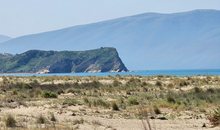
Disregard for environmental protection hurts Albania's hopes for EU membership
2026-06-25 10:25:06

Details from the crime in Kavaja, how a brother killed his brother over a road
2026-06-25 10:01:42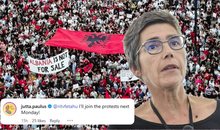
German MEP joins protest against Rama: Money and power do not buy every beach
2026-06-25 09:52:02


Quarrel in Sukth, uncle stabs nephew
2026-06-25 09:09:44
Rama's fictional world, in front of human reality
2026-06-25 09:07:48
Foreign exchange, how much foreign currencies are sold and bought today
2026-06-25 08:54:17
Scandal repeats! 30 Security Academy trainees poisoned again
2026-06-25 08:39:10

Horoscope, what do the stars have in store for you today?
2026-06-25 08:12:17
Stable conditions, high temperatures expected
2026-06-25 07:58:55
Posta e mëngjesit/ Me 2 rreshta: Çfarë pati rëndësi dje në Shqipëri
2026-06-25 07:44:30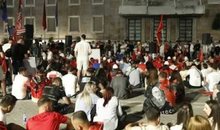


Thousands of citizens march through Tirana: Arrest Balluk!
2026-06-24 22:20:14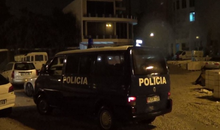
Family crime, 76-year-old man stabs his brother to death in Kavaja
2026-06-24 22:01:36




"Albanian Files", The Prime Minister between the Emperor and the Gangster!
2026-06-24 20:00:10
Rain does not deter protesters, they gather at "Skënderbej" Square
2026-06-24 19:33:28
Xhaka and Switzerland face a big test, group tickets are decided today
2026-06-24 19:13:01

A Dictator for Gen Z
2026-06-24 18:31:17


Amid protests in Tirana, Rama seeks "culprits" even within his own ranks
2026-06-24 17:29:04
The decisive match between Scotland and Brazil risks being postponed
2026-06-24 17:06:14
Tragedy in Italy, 63-year-old man kills wife and 24-year-old son with shotgun
2026-06-24 16:46:50


Albania ranks among countries with low gold reserves
2026-06-24 16:02:38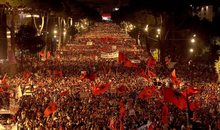
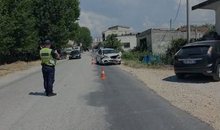
Accident on the Fier-Seman axis, two drivers injured
2026-06-24 15:27:24

US extends national emergency for Western Balkans
2026-06-24 14:45:41
Cllevio in GJKKO: Laert Haxhiu is my childhood friend
2026-06-24 14:30:33
From free pools to cool-down spots: How Europe is adapting to historic heatwave
2026-06-24 14:22:48

Elon Musk temporarily loses his trillionaire crown
2026-06-24 13:57:52
"Messages of the Day", everyone writes to Taulant Balla...
2026-06-24 13:45:12
The director of the Port of Saranda resigns, here's who will replace him
2026-06-24 13:20:55
Protesters' demands, Berisha: DP supports limiting the prime minister's mandate
2026-06-24 13:12:05


What should you eat during a heat wave?
2026-06-24 12:43:59


France on fire from extreme heat, Europe braces for peak
2026-06-24 12:15:51

The 4 zodiac signs that tend to complain the most, according to astrology
2026-06-24 11:54:11

"Enough, stop talking"/ Clashes at the GJKKO between Meta and Kryemadhi
2026-06-24 11:32:25

He stabbed his neighbor in Rrogozhina, the 27-year-old is left in prison
2026-06-24 10:58:52


The moment that went viral, Ronaldo ignores the question about Messi
2026-06-24 10:27:44
High temperatures, doctors appeal to citizens: Avoid going out during rush hours
2026-06-24 10:18:37


Men or women, who earned more in 2025, salaries for 36 professions
2026-06-24 09:46:36