 Flash News
Berisha: In the EPP I asked for international support for the civic protests, the DP fully supports them
"Mandi said he would bring out a refrigerator", the disappearance of Eglant Koç, the testimony of the author's supporter is revealed
"Protect the land", amid protests, EU reminds Rama of the condition for integration
Who are the 4 members of the criminal group arrested in Tirana?
Parents, be careful with the air conditioner! The doctor shows the first signs of laryngeal edema
REL: Kosovo risks being left without funds from the EU Growth Plan

Politiko
2025-10-21 20:43:36
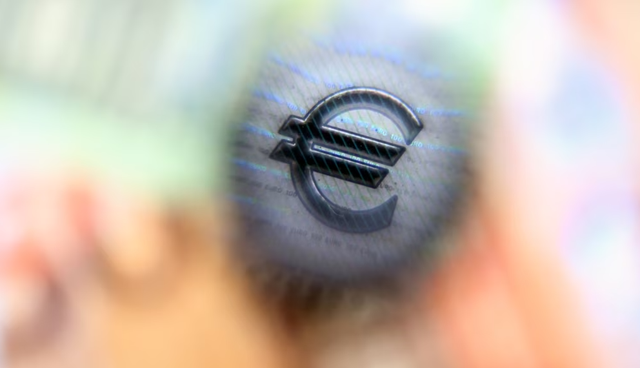
The delay in the process of constituting the Assembly and creating a new Government could cost Kosovo the loss of funds from the European Union's Growth Plan for the Western Balkans, warn experts on European integration. The Growth Plan, which covers the period 2024-2027, contains a package of 6 billion euros, approved by the EU at the end of 2023, to support the approximation of the economies of the six Western Balkan countries to European standards.
To benefit from these funds, countries must complete the reforms required by the EU, which include the private sector, green transition and digitalization. From this package, Kosovo can benefit from over 880 million euros, of which over 250 million as a non-repayable grant, while the rest in the form of a loan with favorable conditions.
However, the country has not benefited from the pre-financing - of 61 million euros - that has already been allocated to Albania, Montenegro, North Macedonia and Serbia. These countries were also allocated new funds last week. Bosnia and Herzegovina also remains out of the benefits, as it has not adopted its reform agenda and Growth Plan on time.
Kosovo was among the first to adopt the reform agenda, but funds remain blocked due to the lack of institutions to ratify the formal agreement with the EU.
"This sends a negative signal to Brussels, where the frustration of institutions and member states continues to grow, due to the behavior of the Kosovar political elite," Donika Emini, a researcher at the Balkan Policy Advisory Group in Europe (BiEPAG), tells Radio Free Europe.
The Kosovo Assembly was declared constituted on October 10, but the process was challenged in the Constitutional Court by the Serbian List. The country also still has an incumbent government, although the leader of the Vetëvendosje Movement, Albin Kurti, has received the mandate to form the new executive.
EU funds for Kosovo “could be redistributed”
According to Bekim Salihu, from the Institute for Advanced Research - GAP, delays in the constitution of institutions block not only funds, but also the implementation of reforms.
"Kosovo's inability to receive the funds should be translated as Kosovo's inability to carry out reforms. Reforms can of course be carried out in a certain period, but it is evident that their dynamics will be late, slow," he says.
Donika Emini is also in the same line. She explains that not receiving funds from the Growth Plan does not mean that the money dedicated to Kosovo will be automatically lost. However, if Kosovo fails to attract and use these funds throughout the program period, the risk of loss is very high.
Sipas Eminit, për shkak të vonesave në miratimin e marrëveshjes nga Kuvendi dhe mungesës së një Qeverie me mandat të plotë, zbatimi i planit të reformave në Kosovë do të nisë shumë më vonë se në disa vende të tjera të Ballkanit Perëndimor.
“... dhe kjo e penalizon shumë. Vendi duhet të fitojë qasje në fonde duke implementuar reformat e agjendës që është aprovuar nga BE-ja. Pra, këto janë fonde për të cilat duhet punuar dhe zbatuar reforma specifike. Kosova tashmë ka humbur shumë kohë”, thotë Emini.
Në vazhdën e kësaj, ajo paralajmëron se mungesa e reformave mund t’i bllokojë pagesat e BE-së, duke lënë shuma të mëdha të papërdorura deri në vitin 2027.
“... dhe nëse në fund të periudhës programore fondet nuk janë përdorur ose kushtet nuk janë përmbushur, BE-ja mund t’i rishpërndajë ato [fonde] te vendet ose projektet që kanë përmbushur kushtet më shpejt”, thotë Emini.
Emrush Ujkani, drejtor ekzekutiv i Këshillit të Investitorëve Evropianë, thekson se Plani i Rritjes është vetëm një nga mjetet e BE-së në agjendën e saj për integrimin e Ballkanit Perëndimor. Sipas tij, BE-ja nuk do t’i ndalojë proceset e nisura për shkak të vonesave të vendeve të caktuara në përmbushjen e kritereve evropiane.
“Në këtë drejtim, në qoftë se mjetet nuk do të merren - kjo vlen edhe për instrumentet e tjera - ato do të rishpërndahen, që i bie, jo te ne, por do të ketë rishpërndarje te vendet tjera që janë në këtë proces”, thotë Ujkani.
Sipas tij, planifikimi i BE-së lidhur me zbatimin e Planit të Rritjes ishte që të ecej në mënyrë konstante me të gjitha vendet e Ballkanit Perëndimor.
“Prandaj, nuk ka kohë që t’i kthehet një procesi prapa, për çka është planifikuar në kohën e duhur. Nëse [vendi i caktuar] ka dështuar që t’i bëjë veprimet konkrete, përgjegjësinë do ta marrë vetë”, thotë Ujkani për Radion Evropa e Lirë.
Ai thekson se nëse Kosova dështon t’i tërheqë fondet e BE-së për reforma, kjo nuk do të thotë se reformat nuk do të kërkohen - ato do të financohen më vonë nga vetë buxheti i Kosovës.
Komisioni Evropian njoftoi në prill të vitit 2024 se nëse partnerët e Ballkanit Perëndimor nuk i përmbushin kushtet, pagesat mund të pezullohen pjesërisht ose plotësisht. Komisioni Evropian sqaroi, gjithashtu, se pas një pezullimi të tillë dhe “në rast se partnerët e Ballkanit Perëndimor nuk i plotësojnë kushtet përkatëse gjatë një periudhe mospagimi prej një viti [ose dy vjetësh nga viti i parë i zbatimit], shuma e pezulluar do të tërhiqet dhe mund të rishpërndahet midis përfituesve të tjerë në vitet pasuese”.
Raportet Kosovë-BE “në nivelin më të ulët”
Vonesat e Kosovës në formimin e legjislativit dhe ekzekutivit të ri, që nga mbajtja e zgjedhjeve parlamentare më 9 shkurt e deri më tash, kanë bërë që situata të vështirësohet edhe në aspektin e komunikimit zyrtar të institucioneve të Kosovës me Bashkimin Evropian.
In August, EU officials announced that they would not hold meetings inside the Kosovo government building until the country had a fully-fledged executive. Emini emphasizes that this is a worrying message to the Kosovo authorities regarding the lack of functional institutions.
"The channel of communication and coordination with the EU on reforms, as well as diplomatic relations between Kosovo and the EU, has been lost," she says.
Salihu sees these relations at their lowest level in the last decade. According to him, in the absence of a government with a full mandate and a legally uncontested assembly, Kosovo finds it difficult to communicate with the EU about mutual relations and integration processes.
"You see, the possibility of Kosovo's membership in the Council of Europe is no longer mentioned, the possibility of lifting [punitive] measures against Kosovo is no longer mentioned. I consider Kosovo's relations with the European Union to be the lowest in the last 10 years, after the signing of the SAA [Stabilization and Association Agreement]," says Salihu.
Kosovo failed to join the Council of Europe in 2024. The country continues to be under EU punitive measures, which were imposed in June 2023, due to rising tensions in the Serb-majority north of Kosovo.
Experts on European integration believe that the further delay in the formation of new institutions "maintains" the gap in relations between Kosovo and the EU. According to them, it could deepen even further if the country eventually goes to early parliamentary elections, due to disagreements between political parties over the formation of new institutions./ REL
Latest news

Why endless job applications can hurt you more than you think
2026-06-10 14:20:35
The 'parallel reality' of Rama's rallies in front of thousands of protesters
2026-06-10 13:41:46
The 2026 World Cup starts with new rules, VAR gets more powers
2026-06-10 13:34:27
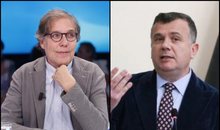
Faces against the protest/ After Taulant Balla, Karlo Bolino appears
2026-06-10 12:51:23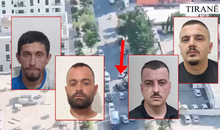
Who are the 4 members of the criminal group arrested in Tirana?
2026-06-10 12:39:29
The highest-paid professions in the first quarter are led by bankers and IT
2026-06-10 12:31:34
U shkarkua nga puna, punonjësi dhunon drejtorin e ministrisë së Mjedisit
2026-06-10 12:20:49
The board moves oil and gasoline prices again
2026-06-10 12:09:16
Çuçi criticizes the Prime Minister: O Rama, where are your institutions?
2026-06-10 11:54:49
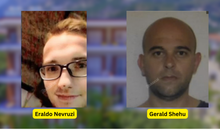
Eraldo Nevruzi was killed in Dhërmi, Greece refuses to extradite Gerald Shehu
2026-06-10 11:30:43
TNT explosion near the Nikulaj family in Lezha
2026-06-10 11:23:03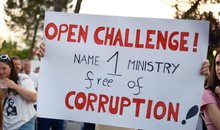
Këlliçi explodes against Rama: The truth is out in the open
2026-06-10 11:08:45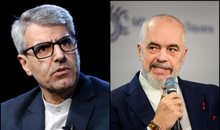
When the Ayatollah of Albania clashes with the Ayatollahs of Iran
2026-06-10 10:56:57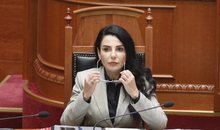

Gjirokastër/ A minor lost his life after going into the pool to bathe
2026-06-10 10:33:07

Balluku seeks reinstatement, Supreme Court draws lots for recourse
2026-06-10 09:51:13
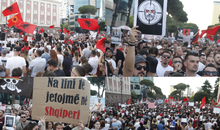
Elez Biberaj: Protests are not against Trump, but against kleptocracy
2026-06-10 09:30:57
Accused of attempted murder in Spain, 22-year-old arrested in Shëngjin
2026-06-10 08:46:20

Horoscope, what do the stars have in store for you today?
2026-06-10 08:17:52
Temperatures above 30 degrees, weather forecast for today
2026-06-10 08:00:52
Morning Post/ In 2 lines: What mattered yesterday in Albania
2026-06-10 07:47:57

Actor known for protests: I fled Albania because I didn't want to sell my soul
2026-06-09 20:32:34

Meçollari accuses protest: The environment has been altered in Palasa and Dhërmi
2026-06-09 19:38:17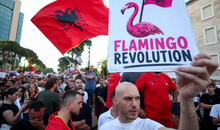
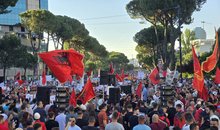

Judge this protest by its opponents
2026-06-09 18:20:57
After four sessions, Ilir Beqaj concludes preliminary requests
2026-06-09 18:11:25
UN message to Iran, Lebanon and Gaza: Respect ceasefires
2026-06-09 17:06:22
10 days that shook the "system"
2026-06-09 16:53:28
Anti-drug operation in five cities in Kosovo, 5 arrested
2026-06-09 16:44:03
Accident in Greece, 16-year-old Albanian dies
2026-06-09 16:25:19
Rama 'clash' with Romanian journalist: They've blocked her brain!
2026-06-09 16:13:59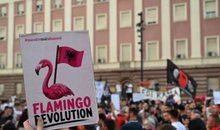
“Revolucioni i Flamingove” përplas Ramën me Iranin
2026-06-09 15:56:07

Vlora Prosecution seizes 5 million euros of assets
2026-06-09 14:29:19
Vučić's Kopjac is also in crisis
2026-06-09 14:11:14




The protest clashes Rama with the world media, the risk of an image crisis!
2026-06-09 13:01:41
Security expert raises the alarm: Criminal groups are sheltering in Kamza areas!
2026-06-09 12:36:03
Who is in command of Edi Rama today?!
2026-06-09 12:14:10
Rama's 'bluff'/ How foreign tourists are embracing the protests in Albania
2026-06-09 12:00:57

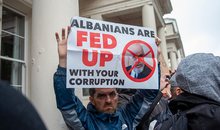
How Rama convinced the West that Albania's fate is linked to his name
2026-06-09 11:20:31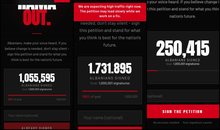

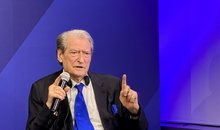
Berisha at the EPP conference: Albania is in the emergency room
2026-06-09 10:27:53
From towers to rivers: the invisible cost of the building boom
2026-06-09 10:04:25
Operation in Vlora, names of 6 arrested revealed
2026-06-09 09:44:49
Foreign exchange, how much foreign currencies are sold and bought today
2026-06-09 09:26:15