Even after the crisis, expensive oil still a challenge for Albania

Politiko
2026-06-05 19:09:39
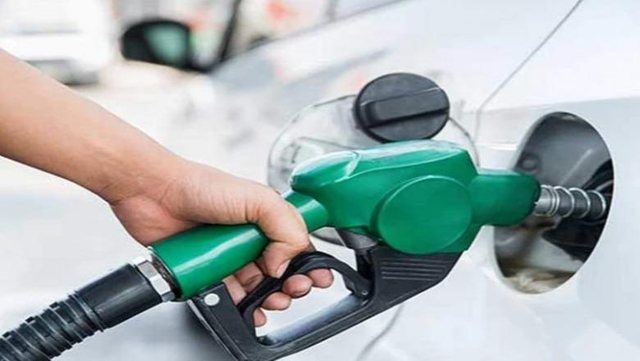
The closure of the Strait of Hormuz in early 2026 has dealt a new blow to global energy markets. As the corridor through which about a fifth of the world's traded oil passes, any disruption to traffic at this strategic point has immediate consequences for international energy prices. Europe was no exception.
According to European Commission data, between the end of February and the end of May 2026, the average price of Euro-Super 95 petrol in the European Union increased from €1.55 to €1.85 per litre, or 19.3%. Diesel became even more expensive, going from €1.54 to €1.87 per litre, an increase of 21.1%.
However, the impact was not the same in all countries. The largest increases were recorded in countries such as the Czech Republic, Denmark, Belgium and Finland, while Malta remained the only European exception, keeping prices unchanged thanks to a system of state fuel controls.
At first glance, global markets dictate the market, but Albania presents a more complex reality. Unlike most European countries, where price fluctuations are mainly linked to international markets, in Albania over half of the oil price is not determined by the market, but by fiscal policy.
According to a report published by Qëndresa Qytetare, 52.4% of the final price of a liter of diesel in Albania consists of taxes and duties, the highest level in the Balkans. Albania leaves behind not only countries in the region, but also many European economies with significantly higher incomes.
The fiscal structure is what makes Albania a special case. In addition to the excise tax of 39.4 lek per liter, consumers also pay 27 lek in circulation tax and 3 lek in carbon tax. On top of these, there is also a 20% VAT. In total, fixed taxes alone amount to around 0.73 euros per liter, excluding VAT.
The element that distinguishes Albania from neighboring countries is precisely the turnover tax. In most countries in the region, the fiscal burden consists mainly of excise duty and VAT. In Albania, the additional tax of 27 lek per liter significantly increases the final price and limits the impact that price reductions in international markets can have.
The consequences are visible at the pump. At the end of April 2026, oil in Albania was trading at around 214 lek per liter. In the same period, the price was 179 lek in Greece, 160 lek in Montenegro and only 142 lek in North Macedonia. The difference with Skopje was over 72 lek per liter.
According to Global Petrol Prices data, Albania ranked ninth in the world for oil prices and fifth in Europe, behind countries like Finland, the Netherlands, Switzerland and Denmark. The essential difference is that these countries have income levels many times higher than Albania.
The Albanian paradox is that high prices have not led to a decrease in consumption. On the contrary. In the last 25 years, oil imports have increased 2.2 times. During 2025 alone, the country imported about 7,409 thousand tons of fuel, equivalent to about 707 liters for each vehicle.
This dependence on oil is not only economic, but also fiscal. During 2025, the state collected about 73.6 billion lek from fuel taxes, or about 9.8% of all budget revenues. Practically, one in every ten lek that enters the budget comes from oil consumption.
This creates a political dilemma. The more fuel consumption increases, the more state revenues increase. At the same time, any significant reduction in the fiscal burden on oil would have direct consequences for public finances.
Meanwhile, the state itself is a major consumer of fuel. In 2025 alone, public institutions spent around 3.63 billion lek on fuel and oils, becoming both beneficiaries and payers of the current system.
The Hormuz crisis has shown how exposed European economies remain to geopolitical shocks. International energy analysts warn that even in the event of an agreement that would restore normal navigation in the Strait of Hormuz, fuel prices are not expected to quickly return to pre-crisis levels.
Global oil inventories remain low and it will take time for supplies to normalize as refineries process the additional oil that will return to the market. As a result, pressure on prices could continue for months or even years.
But in Albania, the problem does not begin and end with international markets. When more than half of the price of a liter of diesel consists of taxes and duties, the final price reflects not only tensions in the Middle East, but also the fiscal choices made in Tirana.
Amid the debate over high fuel prices, the government is considering changing the formula used by the Transparency Board to set prices. The decision comes after importing companies claimed that the current methodology does not reflect real market costs and threatened to sue the state.
According to operators, the formula does not reflect the increase in operating costs and creates a difference of about 8.7 lek per liter, while the accumulated losses for the sector are estimated at about 7 million euros, which implies a further potential increase in fuel prices in Albania. /acqj.al
Latest news
Meta's lawyer: If Rama does not testify, the process is not complete
2026-06-05 20:01:14
How the US naval blockade has cost Iran $6 billion in oil revenue
2026-06-05 19:44:17
Even after the crisis, expensive oil still a challenge for Albania
2026-06-05 19:09:39
Kosovo Police Arrest Serbian List Activist
2026-06-05 18:50:39
Accident at Kombinat, car hits minor
2026-06-05 18:33:56
Rama clashes with Zvërnec resident: Who are you talking to?
2026-06-05 18:27:35
Von der Leyen: Albania should quickly follow Montenegro
2026-06-05 18:13:32
These zodiac signs will find love in June!
2026-06-05 18:01:33
Increased security for Rama's visit to Vlora
2026-06-05 17:46:32
The Rossoneri lose one place in the FIFA rankings
2026-06-05 17:32:56
Police remove 14 sea piers in Ksamil
2026-06-05 17:16:07
Urban accident near Tirana Court, several injured
2026-06-05 16:56:32
Belgium considers selling royal jewels to fill budget gaps
2026-06-05 16:45:02

Socialist MP Klevis Jahaj appears in SPAK
2026-06-05 16:01:00
Photo/ Hundreds of citizens bid farewell to Enea Mekolli
2026-06-05 15:39:58

Citizen puts knife to the neck of a street police officer
2026-06-05 15:03:38
A comparison of problematic projects in Belgrade and Zvërnec
2026-06-05 14:19:49
Berisha: We support the citizen protest for Zvërnec, but the DP is not involved
2026-06-05 13:29:19
Beautiful ugly protest
2026-06-05 13:10:56
Berisha: Enea Mekolli is a hero twice, his killer was financed with state funds
2026-06-05 12:25:45
Transparency Board sets new fuel prices
2026-06-05 11:38:15

The Director of the Albanian Railways, Ergys Verdho, appears again at SPAK
2026-06-05 11:02:56
Foreign exchange/ How much foreign currencies are bought and sold today
2026-06-05 09:49:44
From Rama's hands to the ministries, 16 institutions change their dependence
2026-06-05 09:37:06

Two cars collide on the Kardhiq-Delvinë axis, one dead and 3 injured
2026-06-05 08:35:38
With alternating clouds, what is the weather forecast for today?
2026-06-05 08:20:50

Morning Post/ In 2 lines: What mattered yesterday in Albania
2026-06-05 07:57:11
Hasimja: Albania is losing a historic chance for EU integration
2026-06-04 22:57:39
US Senate confirms Eric Wendt as US ambassador to Albania
2026-06-04 22:30:33

Andoni Iraola is officially Liverpool manager
2026-06-04 20:52:27
Killed in the line of duty, family refuses to bury officer in Martyrs' Cemetery
2026-06-04 20:26:26

EU to provide $116 million in aid to Lebanese army
2026-06-04 18:12:12

Plane crashes in Croatia, at least 4 dead
2026-06-04 16:31:32
Berisha: Lands in Zvërnec were seized by Pjerini from Lezha and Agaç from Berat
2026-06-04 16:26:52
Minatorët e Bulqizës vijojnë bojkotin e punës, kërkojnë rritje pagash
2026-06-04 16:17:31

Former Montenegrin police chief banned from entering Serbia
2026-06-04 16:05:34


The moment when Gjesti enters the record company's offices armed
2026-06-04 15:03:29
The Euro-Lek exchange rate falls again, heading towards the threshold of 95 Lek
2026-06-04 14:33:00

Balluk's wealth "collapses", SPAK seizes his villa in Dhërmi
2026-06-04 14:00:13
Watermelon, the heart's ally in summer
2026-06-04 13:56:33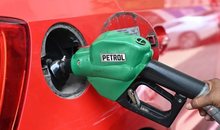
The board continues to "ping pong" with fuel prices, oil increases again
2026-06-04 13:39:24
Bardhi asks Rama to the Assembly: The interpellation is not delegated!
2026-06-04 13:21:54
House of Representatives approves measure to end Iran war
2026-06-04 13:14:35
Car ends up in canal, residents save father and son
2026-06-04 12:55:58

SPAK requests 98 years in prison for Durim Bami, Aldo Avdyli and 5 others
2026-06-04 12:39:43



Video/View from the scene where the policeman was killed in Maliq
2026-06-04 11:52:46

SPAK knocks on Igli Tare, former footballer included in Balluku file
2026-06-04 11:16:36


Four ways your attention is manipulated
2026-06-04 10:52:57
Policeman's murder, Bardhi reacts: Shocked, I strongly condemn the serious act
2026-06-04 10:30:35
Parliament holds a minute of silence for the officer killed in Maliq
2026-06-04 10:25:48