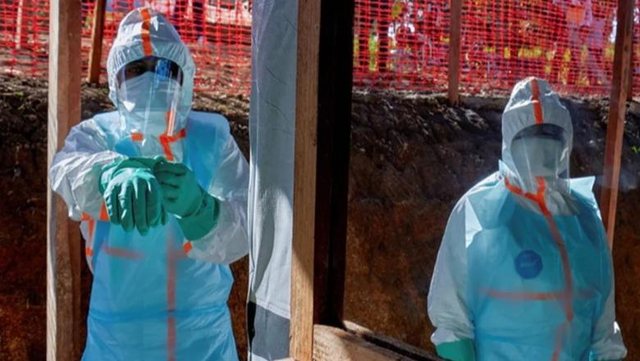
Three new vaccines are being developed to combat the rare strain of Ebola, which has already killed nearly 250 people. The International AIDS Vaccine Initiative (IAVI), which is working on a vaccine, said the outbreak risks becoming more severe than ever. The University of Oxford and the pharmaceutical company Moderna are also pursuing vaccines against the Bundibugyo strain. The Coalition for Epidemic Preparedness Innovations (CEPI), which is funding each group, said “every day counts.”
There are currently more than 1,000 suspected cases in the Democratic Republic of Congo, with nine confirmed cases in neighboring Uganda.
There is growing concern that this outbreak, which was only discovered after it had spread to a conflict zone with limited health resources, could reach the proportions of the largest Ebola outbreak in West Africa in 2014–2016. At that time, nearly 29,000 people were infected and more than 11,000 died.
Dr. Mark Feinberg, head of IAVI, said: “I think it’s showing that it’s going to be an outbreak as severe as that, if not worse, and developing a vaccine and other countermeasures is clearly a priority.”
This reflects the concerns of the medical humanitarian organization Médecins Sans Frontières (MSF), which said the situation is "deeply alarming" and that never before "have so many cases been recorded" so quickly.
Vaccines need to be developed for each variant of Ebola; there are six, but only three are known to cause epidemic outbreaks.
There is a vaccine for the most common species, Zaire, but this outbreak is being caused by another species, called Bundibugyo. It has only been seen twice before and does not have an approved vaccine.
IAVI is working on a modified version of the Ebola Zaire vaccine to combat Bundibugyo. The experimental vaccine has been tested in monkeys, where it quickly trained the immune system and provided almost 100% protection.
It will take seven to nine months to prepare the vaccine for clinical trials, although there are efforts to accelerate the timelines.
Meanwhile, pharmaceutical company Moderna has announced that it is using its mRNA technology - which was used to rapidly develop vaccines during the Covid pandemic - to work on Bundibugyo.
The University of Oxford has also stated that it is working on its own vaccine, which also saved lives during Covid, to develop a new vaccine against Ebola.
This is expected to be ready for clinical trials within two to three months.
Each vaccine aims to teach the body to recognize the same structure on the surface of the virus, known as the Bundibugyo glycoprotein. However, each uses different technologies to achieve this.
IAVI uses a live, but harmless, virus that has been engineered to also contain the Ebola glycoprotein. The immune system fights the harmless virus and in the process learns to fight Ebola.
The mRNA vaccine and the Oxford vaccine both send a piece of genetic code into the body. Once inside, it instructs the body to build the Bundibugyo glycoprotein, which the body recognizes as foreign and begins to attack.
All of this would give the immune system an advantage when facing a real Ebola infection.
However, changes in technology and the way they train the immune system could affect the level of protection or the number of doses needed. All of this needs to be tested in clinical trials./BBC
Latest news
"Dad Brain", How Fatherhood Changes the Male Mind
2026-06-05 21:44:40
50 thousand undeclared euros seized at Durres customs
2026-06-05 21:25:48
A citizen married for 30 years in Tirana, institutions declare her single!
2026-06-05 21:19:51
Rama blames Trump's enemies for Zvërnec's echo: The man didn't shave...
2026-06-05 20:56:29
Guard rapes protester during Rama's meeting /VIDEO
2026-06-05 20:39:18
Protest against Rama also in Berlin
2026-06-05 20:14:09
Meta's lawyer: If Rama does not testify, the process is not complete
2026-06-05 20:01:14
How the US naval blockade has cost Iran $6 billion in oil revenue
2026-06-05 19:44:17

Even after the crisis, expensive oil still a challenge for Albania
2026-06-05 19:09:39
Kosovo Police Arrest Serbian List Activist
2026-06-05 18:50:39
Accident at Kombinat, car hits minor
2026-06-05 18:33:56
Rama clashes with Zvërnec resident: Who are you talking to?
2026-06-05 18:27:35
Von der Leyen: Albania should quickly follow Montenegro
2026-06-05 18:13:32
These zodiac signs will find love in June!
2026-06-05 18:01:33
Increased security for Rama's visit to Vlora
2026-06-05 17:46:32
The Rossoneri lose one place in the FIFA rankings
2026-06-05 17:32:56
Police remove 14 sea piers in Ksamil
2026-06-05 17:16:07
Urban accident near Tirana Court, several injured
2026-06-05 16:56:32
Belgium considers selling royal jewels to fill budget gaps
2026-06-05 16:45:02

Socialist MP Klevis Jahaj appears in SPAK
2026-06-05 16:01:00
Photo/ Hundreds of citizens bid farewell to Enea Mekolli
2026-06-05 15:39:58

Citizen puts knife to the neck of a street police officer
2026-06-05 15:03:38

A comparison of problematic projects in Belgrade and Zvërnec
2026-06-05 14:19:49
Berisha: We support the citizen protest for Zvërnec, but the DP is not involved
2026-06-05 13:29:19
Beautiful ugly protest
2026-06-05 13:10:56
Berisha: Enea Mekolli is a hero twice, his killer was financed with state funds
2026-06-05 12:25:45


Transparency Board sets new fuel prices
2026-06-05 11:38:15

The Director of the Albanian Railways, Ergys Verdho, appears again at SPAK
2026-06-05 11:02:56

Foreign exchange/ How much foreign currencies are bought and sold today
2026-06-05 09:49:44
From Rama's hands to the ministries, 16 institutions change their dependence
2026-06-05 09:37:06

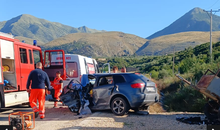
Two cars collide on the Kardhiq-Delvinë axis, one dead and 3 injured
2026-06-05 08:35:38
With alternating clouds, what is the weather forecast for today?
2026-06-05 08:20:50

Morning Post/ In 2 lines: What mattered yesterday in Albania
2026-06-05 07:57:11
Hasimja: Albania is losing a historic chance for EU integration
2026-06-04 22:57:39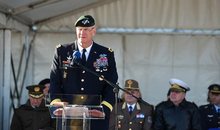
US Senate confirms Eric Wendt as US ambassador to Albania
2026-06-04 22:30:33


Andoni Iraola is officially Liverpool manager
2026-06-04 20:52:27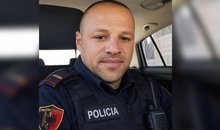
Killed in the line of duty, family refuses to bury officer in Martyrs' Cemetery
2026-06-04 20:26:26

EU to provide $116 million in aid to Lebanese army
2026-06-04 18:12:12
Plane crashes in Croatia, at least 4 dead
2026-06-04 16:31:32
Berisha: Lands in Zvërnec were seized by Pjerini from Lezha and Agaç from Berat
2026-06-04 16:26:52
Minatorët e Bulqizës vijojnë bojkotin e punës, kërkojnë rritje pagash
2026-06-04 16:17:31
Former Montenegrin police chief banned from entering Serbia
2026-06-04 16:05:34

The moment when Gjesti enters the record company's offices armed
2026-06-04 15:03:29

The Euro-Lek exchange rate falls again, heading towards the threshold of 95 Lek
2026-06-04 14:33:00

Balluk's wealth "collapses", SPAK seizes his villa in Dhërmi
2026-06-04 14:00:13
Watermelon, the heart's ally in summer
2026-06-04 13:56:33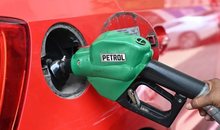
The board continues to "ping pong" with fuel prices, oil increases again
2026-06-04 13:39:24
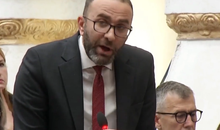
Bardhi asks Rama to the Assembly: The interpellation is not delegated!
2026-06-04 13:21:54
House of Representatives approves measure to end Iran war
2026-06-04 13:14:35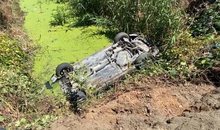
Car ends up in canal, residents save father and son
2026-06-04 12:55:58
SPAK requests 98 years in prison for Durim Bami, Aldo Avdyli and 5 others
2026-06-04 12:39:43

Video/View from the scene where the policeman was killed in Maliq
2026-06-04 11:52:46


SPAK knocks on Igli Tare, former footballer included in Balluku file
2026-06-04 11:16:36