Red eyes after waking up: When is it normal and when should you be concerned?

Politiko
2026-03-24 14:03:38
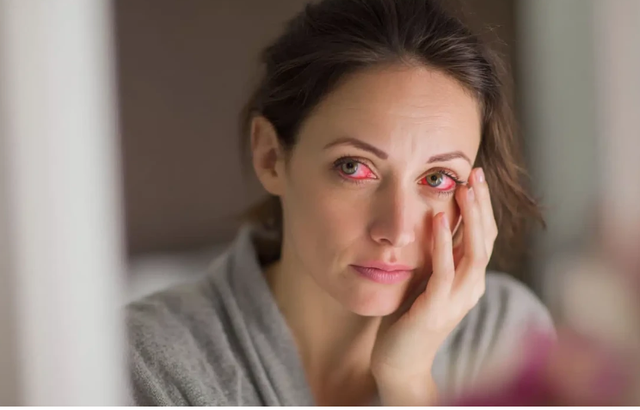
Waking up with red eyes is a common occurrence that can cause discomfort immediately after waking up. Often the redness goes away on its own during the day, but if it occurs with pain, discharge, or other symptoms, you should consult a doctor.
Many factors, from external influences in the bedroom to hidden systemic diseases, can contribute to the change in color of the whites of the eyes at night. It is important to distinguish ordinary irritation from symptoms that may indicate more serious health problems.
More serious symptoms can lead to permanent vision loss, so it is best to consult an eye specialist whenever you have a problem.
Serious symptoms are:
▪ Redness that does not go away with eye drops or within a few days
▪ Eye pain that is severe or lasts all day, or several days
▪ Discharge
▪ Sensitivity to light
▪ Changes in vision, such as blurred vision or loss of vision
▪ Other symptoms, such as fever, headache, nausea, or vomiting
Causes of waking up with red eyes
Allergies
The appearance of itching, swelling, and redness of the eyes, sometimes accompanied by a white, stringy discharge, usually indicates the presence of allergies. These symptoms result from the immune system's reaction to allergens such as:
▪ Dust mites
▪ Pet dander
▪ Ragweed
▪ Pollen
▪ Mold
I have had many patients complain of red eyes and allergies in the morning, and they would tell me that their pets had slept on their bed or pillow. When your eyes come into contact with allergens and you don't wash your face before bed, the risk of an inflammatory reaction increases, explains Dr. Imler.
Lack of sleep
Lack of sleep can decrease tear production and increase blood flow to the eyes, causing dryness and redness.
Redness from lack of sleep usually goes away with rest and moisturizing eye drops. Improvement occurs within a few hours or a day.
Eye strain and computer use syndrome
The more you look at screens, the less you blink. Blinking helps keep your eyes moist and protected. When this is lacking, your eyes become drier and redder.
The more time you spend in front of the devices, the more pronounced the symptoms become. Problems like dry eye don't go away immediately and can last into the next day, says Dr. Imler.
Sleep apnea and CPAP machines
CPAP machines are used to treat sleep apnea. Masks are placed over the nose or mouth to help breathing at night.
If the mask doesn't fit properly, air can seep into your eyes, drying them out and making them look red in the morning.
uveitis
Uveitis is inflammation of the middle layer of the eye and is associated with:
▪ Blurred or decreased vision
▪ Sensitivity to light
▪ Redness of the eyes
▪ Pain and irritation
Uveitis is a serious condition, as it can lead to permanent damage if left untreated.
Loose eyelid syndrome
This condition, more common in men and overweight people, is affected by your sleeping position. If you sleep with your face on the pillow, your eyelids can rub together at night.
If your eyelids are more elastic and irritated during sleep, you may wake up with red, puffy eyes, says Dr. Imler.
Entropion
As we age, the eyelid can turn inward, causing the eyelashes to rub against the eye. This causes discomfort, itching, and tearing.
Subconjunctival hemorrhage
This happens when a blood vessel in the white part of the eye bursts. It is usually not painful and goes away on its own.
You may wake up with part or all of your eye red. This often happens during coughing, sneezing, or physical exertion.
Acute angle-closure glaucoma
This condition causes redness, swelling, and severe pain, due to increased pressure in the eye.
High pressure can quickly lead to vision loss and is accompanied by headaches, nausea, and vomiting.
Rheumatoid arthritis
This autoimmune disease can also affect the eyes, causing inflammation.
Many diseases of the body also affect the eyes. Inflammation in the body can cause chronic redness, pain, and sensitivity to light, concludes Dr. Imler.
Latest news
"Dad Brain", How Fatherhood Changes the Male Mind
2026-06-05 21:44:40
50 thousand undeclared euros seized at Durres customs
2026-06-05 21:25:48
A citizen married for 30 years in Tirana, institutions declare her single!
2026-06-05 21:19:51
Rama blames Trump's enemies for Zvërnec's echo: The man didn't shave...
2026-06-05 20:56:29
Guard rapes protester during Rama's meeting /VIDEO
2026-06-05 20:39:18
Protest against Rama also in Berlin
2026-06-05 20:14:09
Meta's lawyer: If Rama does not testify, the process is not complete
2026-06-05 20:01:14
How the US naval blockade has cost Iran $6 billion in oil revenue
2026-06-05 19:44:17
Even after the crisis, expensive oil still a challenge for Albania
2026-06-05 19:09:39
Kosovo Police Arrest Serbian List Activist
2026-06-05 18:50:39
Accident at Kombinat, car hits minor
2026-06-05 18:33:56
Rama clashes with Zvërnec resident: Who are you talking to?
2026-06-05 18:27:35
Von der Leyen: Albania should quickly follow Montenegro
2026-06-05 18:13:32
These zodiac signs will find love in June!
2026-06-05 18:01:33
Increased security for Rama's visit to Vlora
2026-06-05 17:46:32
The Rossoneri lose one place in the FIFA rankings
2026-06-05 17:32:56
Police remove 14 sea piers in Ksamil
2026-06-05 17:16:07
Urban accident near Tirana Court, several injured
2026-06-05 16:56:32
Belgium considers selling royal jewels to fill budget gaps
2026-06-05 16:45:02

Socialist MP Klevis Jahaj appears in SPAK
2026-06-05 16:01:00
Photo/ Hundreds of citizens bid farewell to Enea Mekolli
2026-06-05 15:39:58

Citizen puts knife to the neck of a street police officer
2026-06-05 15:03:38

A comparison of problematic projects in Belgrade and Zvërnec
2026-06-05 14:19:49

Berisha: We support the citizen protest for Zvërnec, but the DP is not involved
2026-06-05 13:29:19
Beautiful ugly protest
2026-06-05 13:10:56

Berisha: Enea Mekolli is a hero twice, his killer was financed with state funds
2026-06-05 12:25:45
Transparency Board sets new fuel prices
2026-06-05 11:38:15

The Director of the Albanian Railways, Ergys Verdho, appears again at SPAK
2026-06-05 11:02:56

Foreign exchange/ How much foreign currencies are bought and sold today
2026-06-05 09:49:44
From Rama's hands to the ministries, 16 institutions change their dependence
2026-06-05 09:37:06
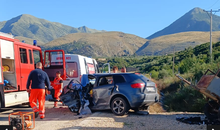
Two cars collide on the Kardhiq-Delvinë axis, one dead and 3 injured
2026-06-05 08:35:38
With alternating clouds, what is the weather forecast for today?
2026-06-05 08:20:50

Morning Post/ In 2 lines: What mattered yesterday in Albania
2026-06-05 07:57:11
Hasimja: Albania is losing a historic chance for EU integration
2026-06-04 22:57:39
US Senate confirms Eric Wendt as US ambassador to Albania
2026-06-04 22:30:33

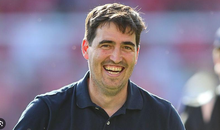
Andoni Iraola is officially Liverpool manager
2026-06-04 20:52:27
Killed in the line of duty, family refuses to bury officer in Martyrs' Cemetery
2026-06-04 20:26:26


EU to provide $116 million in aid to Lebanese army
2026-06-04 18:12:12
Plane crashes in Croatia, at least 4 dead
2026-06-04 16:31:32
Berisha: Lands in Zvërnec were seized by Pjerini from Lezha and Agaç from Berat
2026-06-04 16:26:52
Minatorët e Bulqizës vijojnë bojkotin e punës, kërkojnë rritje pagash
2026-06-04 16:17:31
Former Montenegrin police chief banned from entering Serbia
2026-06-04 16:05:34

The moment when Gjesti enters the record company's offices armed
2026-06-04 15:03:29

The Euro-Lek exchange rate falls again, heading towards the threshold of 95 Lek
2026-06-04 14:33:00

Balluk's wealth "collapses", SPAK seizes his villa in Dhërmi
2026-06-04 14:00:13
Watermelon, the heart's ally in summer
2026-06-04 13:56:33
The board continues to "ping pong" with fuel prices, oil increases again
2026-06-04 13:39:24
Bardhi asks Rama to the Assembly: The interpellation is not delegated!
2026-06-04 13:21:54
House of Representatives approves measure to end Iran war
2026-06-04 13:14:35
Car ends up in canal, residents save father and son
2026-06-04 12:55:58
SPAK requests 98 years in prison for Durim Bami, Aldo Avdyli and 5 others
2026-06-04 12:39:43

Video/View from the scene where the policeman was killed in Maliq
2026-06-04 11:52:46


SPAK knocks on Igli Tare, former footballer included in Balluku file
2026-06-04 11:16:36