 Flash News
Balluk's investigations are not closed, SPAK extends the deadline by another 3 months
Protest organizer Arben Kola is escorted and dragged away by police
Tomatoes, eggs and peppers, the "arsenal" of protesters for MPs in front of the Parliament
Greek customs officers' protest blocks Kapshtica, traffic suspended for 4 hours
Rain, storms and hail, the weather worsens today in some areas of the country
What does the overvaluation of the lek indicate for the Albanian economy?
Monedha europiane, Euro ka humbur gati një të tretën e vlerës së saj kundrejt lekut shqiptar gjatë dekadës së fundit,

Politiko
2026-07-27 13:04:00
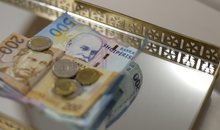
The European currency, the Euro, has lost nearly a third of its value against the Albanian lek over the last decade, falling from around 140 lek in 2014 to less than 94 lek this summer.
At first glance, this devaluation could be considered good news for the economy and the local currency. But the unstoppable devaluation of the euro has reopened the debate about whether it is based solely on standard economic rules or is also related to the influence of dirty money.
One question continues to receive contradictory answers; what does the exchange rate actually indicate for the Albanian economy?
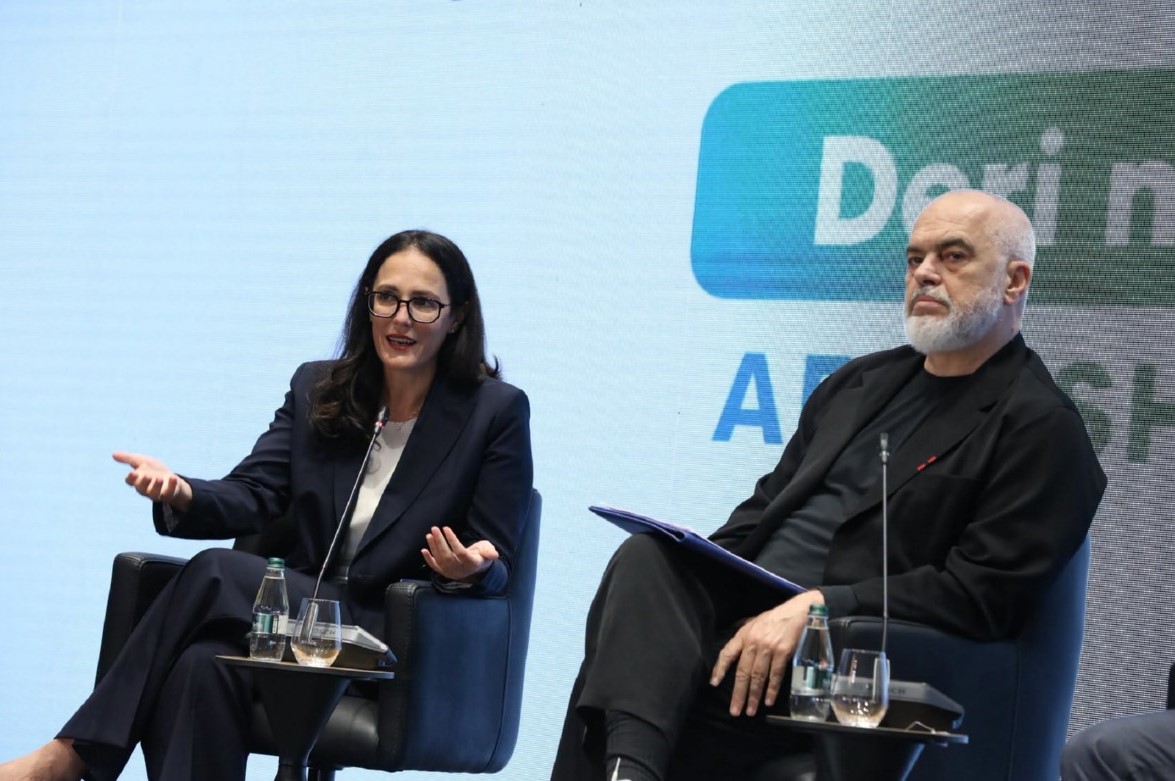
The government considers the overvaluation of the lek as a result of the improvement of the country's macroeconomic indicators. The Minister of Economy and Innovation, Delina Ibrahimaj, was involved in recent days in retorts with economic experts and journalists, who suggested that the depreciation of the euro was also due to the introduction of dirty money from drug trafficking into the domestic market.
In contrast, Minister Ibrahimaj argued that the appreciation of the local currency reflects the increase in income from tourism, remittances, foreign investments, exports of goods and services, as well as the improvement of the external position of the economy. Referring to the assessments of the Bank of Albania and the International Monetary Fund, she rejected claims that the informal economy or criminal capital could be considered an explanation for the strengthening of the lek. According to her, there is no official data to prove this connection.
The official stance was opposed by economists and analysts, who argued that the statistics provided by Ibrahimaj are insufficient to explain the behavior of the exchange rate.
Irena Beqiraj, an economic expert and former deputy minister of finance, raised doubts that the reported foreign exchange flows from tourism, remittances and foreign investments do not fully explain the pace of the lek's strengthening. She suggested that the role of the informal economy and the entry of money from drug trafficking into the market should be analyzed.
Meanwhile, journalist Lutfi Dervishi focused the debate on the social consequences of the phenomenon, arguing that the real effect of the exchange rate should be assessed through the purchasing power of citizens and not only through macroeconomic statistics.
Për ekspertët e ekonomisë, fenomeni i zhvlerësimit të euros nuk mund të reduktohet në një zgjedhje mes turizmit dhe ekonomisë informale, pasi sipas tyre, kursi i këmbimit duhet analizuar në raport me produktivitetin, konkurrueshmërinë e ekonomisë dhe strukturën e rritjes ekonomike, elementë që, sipas tyre, tregojnë një panoramë më komplekse sesa ajo që pasqyrohet nga kursi i këmbimit.
“Forcimi i lekut nuk duhet parë automatikisht si provë e një ekonomie më produktive apo më konkurruese,” tha për BIRN Eduart Gjokutaj, drejtues i organizatës ALTAX me fokus te transparenca dhe politikat e qëndrueshme të zhvillimit.
“Një monedhë forcohet në mënyrë të qëndrueshme kur ekonomia prodhon më shumë, eksporton më shumë produkte me vlerë të shtuar dhe rrit produktivitetin. Në rastin e Shqipërisë, kursi i këmbimit është ndikuar nga një kombinim faktorësh, ku përveç hyrjeve të ligjshme të valutës kanë rol edhe ndërhyrjet e Bankës së Shqipërisë dhe flukset informale të euros,” shtoi Gjokutaj.
Sipas tij, forcimi i lekut reflekton më shumë një rritje të ofertës së valutës sesa një transformim real të ekonomisë.
Ola Xama, gazetare e ekonomisë dhe autore e emisionit “Kronos” sjell gjithashtu në vëmendje literaturën e ekonomisë, sipas së cilës forcimi i monedhës vendase duhet të shoqërohet me rritje ekonomike me faktorë kryesorë rritjen e sektorëve prodhues dhe eksportet.
“Gjatë viteve të fundit, ritmi i rritjes ekonomike ka qenë stabël dhe jo në raport të njëjtë me forcimin e monedhës vendëse,“ thotë Xama, e cila shpjegon gjithashtu se eksportet, bujqësia dhe manifaktura kanë qenë në rënie.
Xama thekson se edhe pas operacioneve të blerjes së monedhës nga Banka e Shqipërisë, euro u zhvlerësua sërish me 6.3%, duke evidentuar flukset e pajustifikuara të valutës si shpjegim për këtë fenomen.
“Kjo mund të shpjegohet vetëm me flukse të pajustifikuara të valutës dhe kjo pranohet edhe në tabelën shoqëruese të deklaratës së ndërhyrjes në tregun e parasë të Bankës së Shqipërisë, ku shprehimisht thuhet se ndërhyrjet janë bërë me qëllim forcimin e mëtejshëm të kursit të këmbimit,” theksoi ajo.
Edhe Ornela Liperi, kryeredaktore e revistës ekonomike “Monitor”, beson se zhvlerësim i euros kundrejt lekut nuk mund të shihet si forcim i ekonomisë vendase, pa analizuar faktorët e tjerë.
“Kursi aktual i këmbimit nuk reflekton asnjë ekonomi konkurruese dhe produktive, përkundrazi e ka bërë ekonominë më pak konkurruese, sidomos eksportet,” tha Liperi për BIRN.
Në mënyrë kontradiktore, sipas Liperit, ndërsa leku është forcuar, bujqësia dhe industria kanë shënuar tkurrje për më shumë se dy vjet, eksportet e mallrave kanë rënë, ndërsa rritja ekonomike është mbështetur kryesisht te ndërtimi, pasuritë e paluajtshme dhe rritja e pagave në administratë publike.
For this reason, she argues that the appreciation of the lek reflects more an increase in the supply of the euro, where, in addition to tourism, informal capital flows have also played a role, than an improvement in the productivity or competitiveness of the Albanian economy.
Analyzing the phenomenon that began a decade ago, Liperi links the euro's declining curve to the expansion of the construction and real estate sector, a sector that was used to invest money gained from drug production and trafficking.
"The SPAK report showed how easily criminal money was introduced into construction, through cash crossing the border," emphasizes Liperi.
Based on this data, the debate is not whether the factors mentioned by the government have influenced the exchange rate, but whether they explain the entire phenomenon.
According to experts, developments in construction, the real estate market, the gray economy, and the weakening of the manufacturing sectors show that the appreciation of the lek cannot be analyzed solely through macroeconomic indicators, but also requires a reading of the sources of foreign exchange entering the economy.
Gjokutaj argues that undeclared remittances, cash income from tourism, grey economy activity and construction investments have increased the supply of euros in the market, putting pressure on the exchange rate. Although these flows are not directly measured, he says they leave a mark on the economy.
According to him, the problem is not that the government mentions tourism or foreign investment, but that it stops there.
"The minister's arguments are partially correct," he says, as foreign exchange inflows from tourism and services have increased, but they do not explain why, at the same time, exports of goods have lost competitiveness and manufacturing sectors are shrinking.
For Ornela Liperi, the euro's decline cannot be explained solely by the increase in tourism or foreign investment. According to her, until 2024, informal capital flows had the main impact, while foreign exchange inflows from tourism also increased.
“It is practically impossible to separate how much one factor or another has influenced,” said Liperi, while explaining that part of the informal money may be indirectly included in the estimates of remittances and tourist spending, which the Bank of Albania calculates based on statistical methods.
Liperi estimates that the government's arguments do not fully match the developments in the real economy, while also raising questions about the quality of foreign investments, arguing that a significant portion of them does not create new production capacities.
In this context, she holds the government directly responsible for "allowing criminal money to enter construction, influencing the artificial strengthening of the local currency and selling this as an economic success." Reporter.al
Latest news

What does the overvaluation of the lek indicate for the Albanian economy?
2026-07-27 13:04:00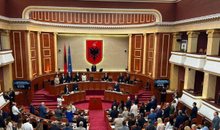

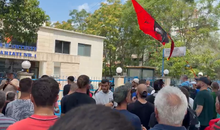


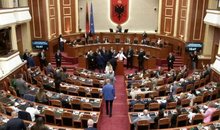
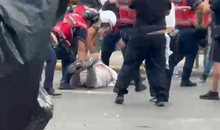
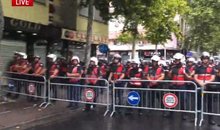
Protest in front of the Parliament, police forcibly escort some citizens
2026-07-27 10:46:22
Protesters surround Parliament outside, plenary session begins
2026-07-27 10:34:36
Protest organizer Arben Kola is escorted and dragged away by police
2026-07-27 10:19:00
Protesters march towards Elbasan Street, clash with police: Arrest Belinda!
2026-07-27 10:05:18
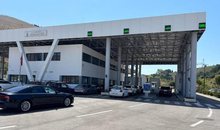
Greek customs officers' protest blocks Kapshtica, traffic suspended for 4 hours
2026-07-27 09:42:00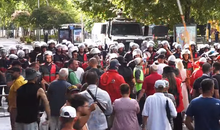
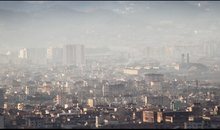
Eurostat: Albania ranks fourth in Europe for deaths from air pollution
2026-07-27 08:46:40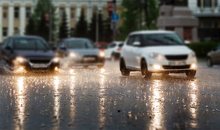
Rain, storms and hail, the weather worsens today in some areas of the country
2026-07-27 08:31:40
58th protest, citizens return to the Parliament in the last session
2026-07-27 08:16:00
Morning Post/ In 2 lines: What mattered yesterday in Albania
2026-07-27 07:59:52
Ekspertët zbulojnë ngjyrën ideale të dhomës së gjumit për të fjetur më mirë
2026-07-26 21:46:01
What is behind the record strengthening of the lek?
2026-07-26 21:00:00



The 4 zodiac signs that are considered the most trustworthy
2026-07-26 19:42:24

Joshua after the fight with Kristian Prengë: I just thought about keeping calm
2026-07-26 18:33:26
Fires sweep southwest France, over 220,000 people evacuated near Bordeaux
2026-07-26 18:17:06
Debate over donations brings healthcare system financing back into focus
2026-07-26 17:55:00

Rita Ora tells her family story: I am proud to be an immigrant
2026-07-26 17:20:00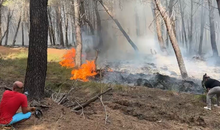
Massive fire engulfs Soda Forest, pine areas at risk
2026-07-26 16:59:57
When 'Besa' doesn't even convince the left: Who came out against Rama's 'Besa'?
2026-07-26 16:45:00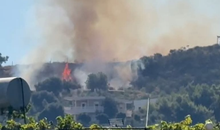
Fire in Zvërnec, smoke covers Vlora
2026-07-26 16:23:13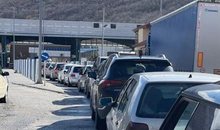
Grevë në doganat greke, kufizime disaorëshe në 4 pikat kufitare me Shqipërinë
2026-07-26 16:07:46
Meteorology warns of scorching August, temperatures could reach up to 40°C
2026-07-26 15:54:00
The end of July could bring financial luck to these 3 zodiac signs
2026-07-26 15:36:00





Zhupa: Saranda hostage to a poorly designed terminal, wasted time, traffic
2026-07-26 14:03:54
Milot–Balldren: Si turp, si faj, si brengë, si pabesi!
2026-07-26 13:20:41
Shooting in Debar, a 38-year-old man in handcuffs, 9 people are being prosecuted
2026-07-26 13:02:44
He bought products and paid with fake euros, 24-year-old arrested in Durrës
2026-07-26 12:45:15
Mountains Package/ Bardhi: Even Diella no longer trusts Rama, resigns
2026-07-26 12:28:15


Scandal with medical student exams, Minister of Education resigns
2026-07-26 11:08:36
War crisis, the world is consuming less oil
2026-07-26 10:47:53
Triple accident on the Peqin-Elbasan axis, two people injured
2026-07-26 10:26:28

Car bursts into flames after accident on Tirana-Durres highway
2026-07-26 09:23:47
Clear skies across the country, weather forecast for today
2026-07-26 09:01:36
Accident in Vlora/ 52-year-old dies, five others injured (Names)
2026-07-26 08:42:00
Horoscope July 26, 2026, discover the star predictions
2026-07-26 08:23:48
Morning Post/ In 2 lines: What mattered yesterday in Albania
2026-07-26 07:56:03



22-year-old man injured by gunfire in Laç
2026-07-25 20:13:01
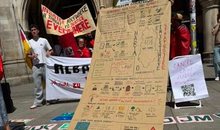
Red and black flags and calls for change, Albanians protest in Munich
2026-07-25 19:38:39
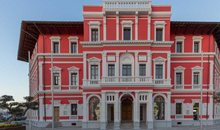
Former socialist minister announces candidacy for Vlora Municipality
2026-07-25 18:54:12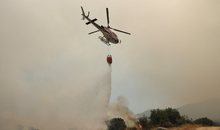
Fires engulf France and Spain, around 270,000 people evacuated
2026-07-25 18:32:36
The master of loloisms or the lolo of the workers?!
2026-07-25 18:10:38

Musk predicts the end of money: You won't need it in 2036
2026-07-25 17:26:57
REL Analysis: Who is lobbying the United States from Serbia and why?
2026-07-25 17:03:59
Two-faced, cynical and bankrupt!
2026-07-25 16:44:00
Accident on the Tirana-Durrës highway, two vehicles collide near Maminas
2026-07-25 16:28:27
Lee Kang-in leaves PSG, transfer to Atletico Madrid is official
2026-07-25 16:12:00

Coffee may help protect the liver from obesity
2026-07-25 14:58:00
KTA: Floods caused 100 million dollars in losses in agriculture in 1 decade
2026-07-25 14:24:13
The solar eclipse of August 12, the rare spectacle that will fascinate Europe
2026-07-25 13:51:15
Babo's Covenant and the Expulsion of Braça
2026-07-25 13:26:14
Do you have faith? What about institutions?
2026-07-25 12:56:42
Berisha: Rama ignored the protesters' demands
2026-07-25 12:30:00

Mashtronte klientët me servis automjetesh në Astir, arrestohet 37-vjeçari
2026-07-25 10:36:21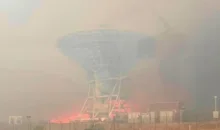
Fires near Madrid hit NASA facilities, space communications station evacuated
2026-07-25 10:21:36
Noise "suffocates" cities, Vlora leads at night, Tirana and Saranda follow
2026-07-25 10:00:35