 Flash News
A truck carrying a defective car was involved in an accident on the Librazhd-Elbasan axis.
Nertil Buzi's hostage-taking in London, the group of Vlora men removed his nails with pliers
Pogradec, electrician loses his life after coming into contact with electricity (Name)
Triple accident on the Peqin-Elbasan axis, two people injured
High temperatures increase cases of viruses, increasing the flow to pediatric emergencies
Debate over donations brings healthcare system financing back into focus

Politiko
2026-07-26 17:55:00
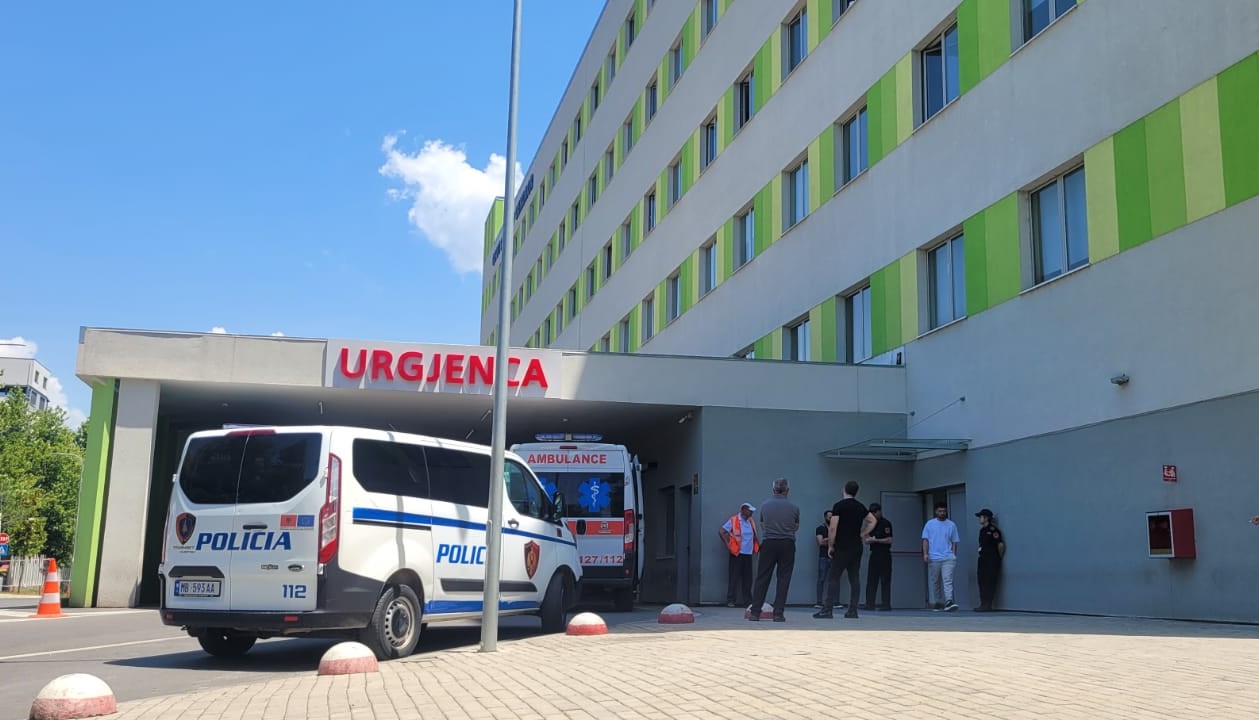
In February of this year, the "Mother Teresa" University Hospital Center published a long list of shortages on its official website, requesting donations from individuals and businesses.
The list included requests for logistical equipment such as computers and printers, but also for important life-saving equipment, including 15 respirators, 6 defibrillators, 3 anesthesia machines, and even stretchers for transporting patients.
QSUNT's requests for donations were made public by journalist Osman Stafa as part of a debate about the Albanian government's priorities, which followed the decision to pay 4.3 million euros from the emergency fund for the concert of American rapper Kanye West.
Immediately after publication, QSUNT deleted seven document files from its servers on the morning of July 14, including requests for donations of logistical and medical equipment, arguing that the documents had "lost their relevance."
However, this episode keeps open the debate on the poor financing of the healthcare system in Albania as well as the efficiency of hospital budget spending.
Although calls for donations from public institutions are not illegal, they expose, according to experts, a deep financial and structural crisis in QSUNT.
"Accepting donations is not illegal, but they certainly should not be the primary route to completing hospitals," says Eglantina Bardhi, executive director of the organization "Together for Life."
"The health sector is poorly funded and the fact that there is no budget, that there is mismanagement and corruption, constantly confronts us with a permanent crisis," she stressed.
The Mother Teresa University Hospital Center rejected the allegations of lack of funding and transparency in a written response to BIRN. The institution stated that the publication of calls for donations simply represents “a supplementary mechanism” provided for by law and does not imply the hospital’s inability to provide services.
Regarding the deletion of the lists in the morning hours after the denunciation, QSUNT claimed that the document "had lost its relevance", as the vast majority of needs had already been addressed through public procurement procedures.
"For this reason, the latest update on the official QSUNT website was not intended to limit access to public information, but to reflect the current situation," the hospital argued.
The main concern remains the image.
Qendra Spitalore Universitare “Nënë Tereza” është institucioni më i madh shëndetësor në Shqipëri dhe e vetmja qendër terciare e shëndetit në vend. QSUNT trajton rastet më komplekse që referohen nga i gjithë sistemi shëndetësor, ndërkohë që shërben edhe si bazë për mësimdhënien dhe kërkimin mjekësor universitar.
QSUNT mbështetet te prokurimet publike si rruga kryesore për ofrimin e shërbimeve, por përballet shpesh me mungesa të përsëritura në medikamente dhe pajisje diagnostikuese.
Sipas Bardhit nga “Together For Life”, mungesat e përsëritura nuk vijnë vetëm për shkak të problemeve financiare, por edhe si produkt i vendimmarrjeve administrative që dështojnë të përkthejnë buxhetin në qëndrueshmëri shërbimesh mjekësore.
“Këto mungesa bazike nuk shikohen me prioritet për t’u plotësuar,” thotë Bardhi.
Sipas saj, kriza është edhe më e thellë, pasi në mjaft raste edhe kur ka aparatura të avancuara, ka mungesë personeli për t’i përdorur.
“Thembra e Akilit” e sistemit shëndetësor është buxheti i pamjaftueshëm. Sipas Bardhit, donacionet, në të cilat është angazhuar edhe organizata që drejton, nuk mund ta mbushin boshllëkun që krijohet nga kjo mungesë.
Publikimi i listës për donacione dhe fshirja e kësaj liste më pas nga QSUNT tregojnë sipas Bardhit se autoritetet e ndiejnë presionin publik, por shqetësimi i tyre kryesor mbetet imazhi.
“Ata mendojnë se u është cenuar imazhi, gjë që nuk më duket mbrojtje legjitime, as e qeverisë as spitalit, para kontrastit të madh mes mungesës së buxhetit në spital dhe financimit të një koncerti”, tha Bardhi.
Gazetari i Neës 24, Osman Stafa, i cili bëri publike listat e donacioneve, thotë se problemi i vërtetë shtrihet përtej mosfinancimit, duke përfshirë edhe keqmenaxhimin e burimeve ekzistuese. Buxhetet e kufizuara, sipas tij, rëndohen më tej nga mënyra e administrimit të tyre, duke krijuar terren për kriza.
Edhe Stafa mendon se drejtuesit shqetësohen më shumë për dukjen.
“Problemi është që nuk vë njeri dorë. Më shumë se për problemet, ata kujdesen që problemet të mos dalin në media,” tha gazetari.
Megjithatë, debati i krijuar pas publikimit të kërkesës për donacion në një krah dhe financimit të koncertit në anën tjetër, ka krijuar sensibilitet.
“Mjekët, ato kontakte që kam, më thonë që u bë shumë mirë. Më thonë ‘ne i kemi të nevojshme, shyqyr që u identifikua dhe u bë e madhe,” tha Stafa duke iu referuar debatit.
QSUNT këmbënguli se ka financim të mjaftueshëm dhe se publikimet për donacione nuk kanë të bëjnë me mungesë buxheti.
“Nevojat për pajisje mjekësore, infrastrukturë dhe materiale pune adresohen nëpërmjet planifikimit buxhetor vjetor, programeve të investimeve, procedurave të prokurimit publik, si dhe burimeve të tjera të ligjshme të financimit,” tha QSUT, e cila shtoi se thirrja “u mundëson subjekteve të interesuara të kontribuojnë vullnetarisht…”.
QSUNT also explained that the call for donations was made at the beginning of the year and that during the implementation of the budget, an overwhelming part of these needs has been addressed and covered through public procurement procedures.
However, critics say that the problems of the most important hospital center in the country are many times greater than they appear.
Stafa cites the concession of important services such as tests as one of the problems, which, according to him, could leave patients uncovered once these limits are met, forcing them to find alternative solutions in the private sector.
He also criticizes the way money is managed, as he often finds himself faced with situations where medicines tendered for two years are missing immediately after the first year.
"The biggest problem is corruption in the hospital, in large contracts with pharmaceutical companies, in problematic tenders. This brings the budget to zero," said Stafa.
Bardhi also sees the situation with pessimism. According to her, the small budget for healthcare and the unsuccessful self-financing and management reforms have created additional problems, without solving the problems that hospitals had, as they have not brought in revenue.
Under these conditions, reliance on donations and foreign associations becomes a means of survival.
"Hospitals often receive expired drugs from pharmaceutical companies (as in the case of Factor 8), as a form of donation dictated by circumstances," Bardhi told BIRN.
QSUNT insisted that it has the capacity to provide the service and that it is working to improve it.
“QSUNT remains committed to continuously improving the quality of health services, increasing investments in infrastructure and medical equipment, as well as ensuring transparency and accountability in the exercise of its functions,” QSUNT stated./ BIRN
Latest news
Joshua after the fight with Kristian Prengë: I just thought about keeping calm
2026-07-26 18:33:26
Fires sweep southwest France, over 220,000 people evacuated near Bordeaux
2026-07-26 18:17:06
Debate over donations brings healthcare system financing back into focus
2026-07-26 17:55:00

Rita Ora tells her family story: I am proud to be an immigrant
2026-07-26 17:20:00
Massive fire engulfs Soda Forest, pine areas at risk
2026-07-26 16:59:57
When 'Besa' doesn't even convince the left: Who came out against Rama's 'Besa'?
2026-07-26 16:45:00
Fire in Zvërnec, smoke covers Vlora
2026-07-26 16:23:13
Grevë në doganat greke, kufizime disaorëshe në 4 pikat kufitare me Shqipërinë
2026-07-26 16:07:46
Meteorology warns of scorching August, temperatures could reach up to 40°C
2026-07-26 15:54:00
The end of July could bring financial luck to these 3 zodiac signs
2026-07-26 15:36:00




Zhupa: Saranda hostage to a poorly designed terminal, wasted time, traffic
2026-07-26 14:03:54
Milot–Balldren: Si turp, si faj, si brengë, si pabesi!
2026-07-26 13:20:41
Shooting in Debar, a 38-year-old man in handcuffs, 9 people are being prosecuted
2026-07-26 13:02:44
He bought products and paid with fake euros, 24-year-old arrested in Durrës
2026-07-26 12:45:15
Mountains Package/ Bardhi: Even Diella no longer trusts Rama, resigns
2026-07-26 12:28:15

Scandal with medical student exams, Minister of Education resigns
2026-07-26 11:08:36
War crisis, the world is consuming less oil
2026-07-26 10:47:53
Triple accident on the Peqin-Elbasan axis, two people injured
2026-07-26 10:26:28

Car bursts into flames after accident on Tirana-Durres highway
2026-07-26 09:23:47
Clear skies across the country, weather forecast for today
2026-07-26 09:01:36
Accident in Vlora/ 52-year-old dies, five others injured (Names)
2026-07-26 08:42:00
Horoscope July 26, 2026, discover the star predictions
2026-07-26 08:23:48
Morning Post/ In 2 lines: What mattered yesterday in Albania
2026-07-26 07:56:03



22-year-old man injured by gunfire in Laç
2026-07-25 20:13:01
Red and black flags and calls for change, Albanians protest in Munich
2026-07-25 19:38:39
Former socialist minister announces candidacy for Vlora Municipality
2026-07-25 18:54:12
Fires engulf France and Spain, around 270,000 people evacuated
2026-07-25 18:32:36
The master of loloisms or the lolo of the workers?!
2026-07-25 18:10:38

Musk predicts the end of money: You won't need it in 2036
2026-07-25 17:26:57
REL Analysis: Who is lobbying the United States from Serbia and why?
2026-07-25 17:03:59
Two-faced, cynical and bankrupt!
2026-07-25 16:44:00
Accident on the Tirana-Durrës highway, two vehicles collide near Maminas
2026-07-25 16:28:27
Lee Kang-in leaves PSG, transfer to Atletico Madrid is official
2026-07-25 16:12:00
Coffee may help protect the liver from obesity
2026-07-25 14:58:00

KTA: Floods caused 100 million dollars in losses in agriculture in 1 decade
2026-07-25 14:24:13

The solar eclipse of August 12, the rare spectacle that will fascinate Europe
2026-07-25 13:51:15
Babo's Covenant and the Expulsion of Braça
2026-07-25 13:26:14

Do you have faith? What about institutions?
2026-07-25 12:56:42
Berisha: Rama ignored the protesters' demands
2026-07-25 12:30:00

Mashtronte klientët me servis automjetesh në Astir, arrestohet 37-vjeçari
2026-07-25 10:36:21
Fires near Madrid hit NASA facilities, space communications station evacuated
2026-07-25 10:21:36
Noise "suffocates" cities, Vlora leads at night, Tirana and Saranda follow
2026-07-25 10:00:35

Horoskopi, zbuloni parashikimin e yjeve për shenjën tuaj
2026-07-25 08:43:31
Suspect arrested for murder of Italian journalist hiding in abandoned building
2026-07-25 08:37:06

Morning Post/ In 2 lines: What mattered yesterday in Albania
2026-07-25 08:04:15
After Rama's statements, GoFundMe for the Bulku family reaches $150,000
2026-07-24 20:58:29
Një sprint i fundit për investitorët para kufizimeve të BE-së?
2026-07-24 20:37:05
10 reasons why Prrenjas should not merge with Librazhd
2026-07-24 20:17:57
Not just the face and body, here are the areas we forget to protect from the sun
2026-07-24 20:01:11


The Assembly meets in plenary session on Monday
2026-07-24 18:51:19

Revolta vazhdon, qytetarët mblidhen për të 55-ën ditë në sheshin 'Skënderbej'
2026-07-24 18:10:00

9 në 10 europianë do ta konsideronin mundësinë e shpërnguljes jashtë vendit
2026-07-24 17:30:00


Republika Srpska lobbies with millions in the US for its independence
2026-07-24 16:21:00
Lightning strikes herd of cattle in Pogradec, 10 sheep and goats die
2026-07-24 16:15:00
"The Atlantic": Protestat nuk janë kundër Trump, shënjestra është Edi Rama
2026-07-24 15:54:06
Reforma territoriale 2.0 e PS: Bashkitë që rrezikojnë shkrirjen
2026-07-24 15:29:00
Dështojnë negociatat për t’u dorëzuar, Refit Buzi kërcënon me vetëv*asje
2026-07-24 15:16:00

RENEA in negotiations with Refit Buzin, the 35-year-old threatens suicide
2026-07-24 14:30:07
Strong storm and hail, Elbasan is affected by bad weather
2026-07-24 14:12:20