
 Flash News
Pogradec, electrician loses his life after coming into contact with electricity (Name)
Triple accident on the Peqin-Elbasan axis, two people injured
High temperatures increase cases of viruses, increasing the flow to pediatric emergencies
Morning Post/ In 2 lines: What mattered yesterday in Albania
Former socialist minister announces candidacy for Vlora Municipality
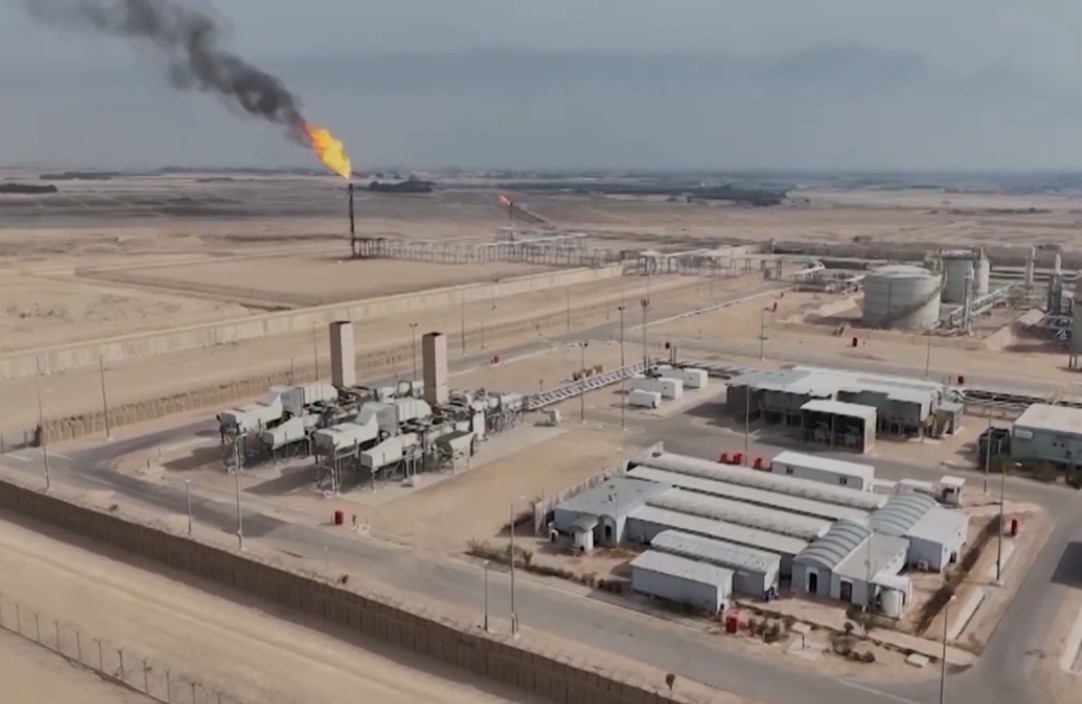
The two main forces that keep the global oil market in balance are supply and demand. But now the war between Iran and the US has shaken both, and one of them could be damaged for a very long time.
On the supply side, the situation remains chaotic. The historic oil glut initially turned into the largest supply shock to the market. Then, in June, additional large quantities of oil entered the market.
Now, the escalation of conflict in the Middle East has limited the amount of oil coming from the Persian Gulf countries, returning uncertainty to international markets.
But even more difficult to understand is the situation on the demand side.
Over the course of five months of war, the global economy has adapted to supply shortages and learned to function on less oil. Last month, hundreds of millions of barrels that had been stuck in the Strait of Hormuz finally came onto the market, but faced a lack of interest from buyers.
Some of the Middle East's oil was sold only after its price fell sharply. The reasons why the world is buying less oil are many and complex. The solution is expected to be just as complicated.
In the three short weeks during which the Strait of Hormuz was partially reopened, something unexpected happened. More than 200 million barrels of oil, blocked in the Persian Gulf, quickly came onto the market, but buyers did not react.
Qatar Energy and the UAE state-owned company were forced to lower the price of oil by $6 to $9 per barrel to find buyers in Southeast Asia.
Currently, more than 18 million barrels of non-Iranian oil are still sitting in tankers outside the Persian Gulf, waiting for buyers. This is a level more than two and a half times higher than before the war began.
Iran has also faced much greater difficulties in selling its oil. After the memorandum of understanding with the United States, the country managed to export about 70 million barrels through the Strait of Hormuz. Although Washington granted temporary relief from sanctions, China remained practically the only buyer.
However, Beijing has also significantly reduced imports from Iran. According to data from the company Kpler, Chinese purchases fell from about 1.5 million barrels per day to just 630,000 barrels per day last month. Globally, oil demand continues to remain close to maximum capacity, especially since during the Iran war, it was 4 million barrels per day lower than before the war.
Latest news

Scandal with medical student exams, Minister of Education resigns
2026-07-26 11:08:36
War crisis, the world is consuming less oil
2026-07-26 10:47:53
Triple accident on the Peqin-Elbasan axis, two people injured
2026-07-26 10:26:28


Car bursts into flames after accident on Tirana-Durres highway
2026-07-26 09:23:47
Clear skies across the country, weather forecast for today
2026-07-26 09:01:36
Accident in Vlora/ 52-year-old dies, five others injured (Names)
2026-07-26 08:42:00
Horoscope July 26, 2026, discover the star predictions
2026-07-26 08:23:48
Morning Post/ In 2 lines: What mattered yesterday in Albania
2026-07-26 07:56:03




22-year-old man injured by gunfire in Laç
2026-07-25 20:13:01

Red and black flags and calls for change, Albanians protest in Munich
2026-07-25 19:38:39

Former socialist minister announces candidacy for Vlora Municipality
2026-07-25 18:54:12
Fires engulf France and Spain, around 270,000 people evacuated
2026-07-25 18:32:36
The master of loloisms or the lolo of the workers?!
2026-07-25 18:10:38

Musk predicts the end of money: You won't need it in 2036
2026-07-25 17:26:57
REL Analysis: Who is lobbying the United States from Serbia and why?
2026-07-25 17:03:59
Two-faced, cynical and bankrupt!
2026-07-25 16:44:00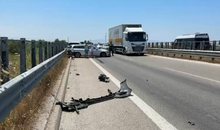
Accident on the Tirana-Durrës highway, two vehicles collide near Maminas
2026-07-25 16:28:27
Lee Kang-in leaves PSG, transfer to Atletico Madrid is official
2026-07-25 16:12:00


Coffee may help protect the liver from obesity
2026-07-25 14:58:00

KTA: Floods caused 100 million dollars in losses in agriculture in 1 decade
2026-07-25 14:24:13

The solar eclipse of August 12, the rare spectacle that will fascinate Europe
2026-07-25 13:51:15
Babo's Covenant and the Expulsion of Braça
2026-07-25 13:26:14

Do you have faith? What about institutions?
2026-07-25 12:56:42
Berisha: Rama ignored the protesters' demands
2026-07-25 12:30:00

Mashtronte klientët me servis automjetesh në Astir, arrestohet 37-vjeçari
2026-07-25 10:36:21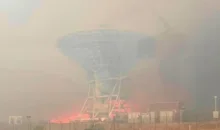
Fires near Madrid hit NASA facilities, space communications station evacuated
2026-07-25 10:21:36
Noise "suffocates" cities, Vlora leads at night, Tirana and Saranda follow
2026-07-25 10:00:35

Horoskopi, zbuloni parashikimin e yjeve për shenjën tuaj
2026-07-25 08:43:31
Suspect arrested for murder of Italian journalist hiding in abandoned building
2026-07-25 08:37:06

Morning Post/ In 2 lines: What mattered yesterday in Albania
2026-07-25 08:04:15

After Rama's statements, GoFundMe for the Bulku family reaches $150,000
2026-07-24 20:58:29
Një sprint i fundit për investitorët para kufizimeve të BE-së?
2026-07-24 20:37:05
10 reasons why Prrenjas should not merge with Librazhd
2026-07-24 20:17:57
Not just the face and body, here are the areas we forget to protect from the sun
2026-07-24 20:01:11



The Assembly meets in plenary session on Monday
2026-07-24 18:51:19
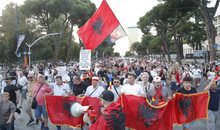
Revolta vazhdon, qytetarët mblidhen për të 55-ën ditë në sheshin 'Skënderbej'
2026-07-24 18:10:00

9 në 10 europianë do ta konsideronin mundësinë e shpërnguljes jashtë vendit
2026-07-24 17:30:00


Republika Srpska lobbies with millions in the US for its independence
2026-07-24 16:21:00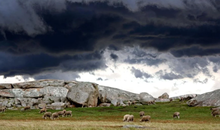
Lightning strikes herd of cattle in Pogradec, 10 sheep and goats die
2026-07-24 16:15:00
"The Atlantic": Protestat nuk janë kundër Trump, shënjestra është Edi Rama
2026-07-24 15:54:06
Reforma territoriale 2.0 e PS: Bashkitë që rrezikojnë shkrirjen
2026-07-24 15:29:00
Dështojnë negociatat për t’u dorëzuar, Refit Buzi kërcënon me vetëv*asje
2026-07-24 15:16:00
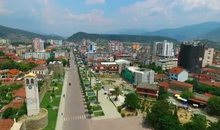

RENEA in negotiations with Refit Buzin, the 35-year-old threatens suicide
2026-07-24 14:30:07
Strong storm and hail, Elbasan is affected by bad weather
2026-07-24 14:12:20


"They have 'parked' their face instead of their butt", who is Edi Rama with?
2026-07-24 13:22:24
Rama admits failure in healthcare: Elderly people queue up before sunrise
2026-07-24 13:01:53

The constitutive session of the Kosovo Assembly is scheduled for August 6th.
2026-07-24 12:21:36


Accident on the Peqin-Elbasan segment, van hits pedestrian to death
2026-07-24 11:31:19







The killers of justice celebrate the tenth anniversary of the corpse
2026-07-24 09:13:17



With rain and clouds, what is the weather forecast for today?
2026-07-24 08:09:53
Morning Post/ In 2 lines: What mattered yesterday in Albania
2026-07-24 07:53:51
A fight with hard objects in Shëngjin, one person injured
2026-07-23 22:56:03
EU Ambassadors Visit Northern Kosovo: Rule of Law to Be Applied Equally
2026-07-23 22:41:44