 Flash News
Trial against the prosecutor who investigated him, 'Administrativja' dismisses Veliaj's lawsuit
7-month-old baby dies on the way to the hospital, two pediatricians in Gjirokastra under investigation
Villa, luxury car, bank account worth 1.8 million, Fier prosecutor's office confiscates Arbër Muça's assets
21 protesters escorted after protest in front of Parliament released, two remain in custody
A fight with hard objects in Shëngjin, one person injured
EU Today: Violence against protesters in Albania, a test for democracy and the path to the EU

Politiko
2026-07-24 12:05:59
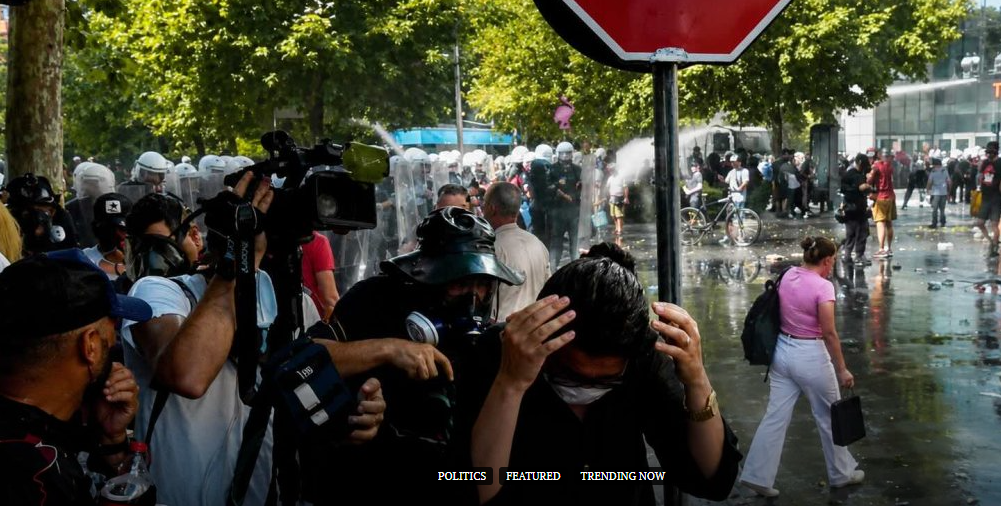
Clashes between police and protesters in Albania, where water cannons and tear gas were used, have attracted international media attention as another confrontation between the government and citizens who oppose development policies in environmental zones.
In an analysis published by " EU Today ", street violence is seen as just one part of a broader debate on the rule of law, environmental protection, institutional transparency and the challenges that Albania faces on the path to membership in the European Union.
According to the analysis, the way authorities react to protests and civic opposition is being seen as an important indicator of the democratic standards of an EU candidate country.
Full article:
Albanian police used water cannon and tear gas on protesters during rallies sparked by plans to build a multi-billion dollar resort on the Adriatic coast, which Jared Kushner is involved in. According to Reuters reports, the conflict is related to protected areas, allegations of corruption and a criminal investigation into disputed land ownership issues.
The violence has given this story an immediate dimension, but the underlying issue is institutional. Albania is seeking membership in the European Union and must demonstrate that investment, property rights, environmental protection, and criminal investigations are guided by the law and not by political influence.
A luxury coastal resort project involving a high-profile foreign investor is not just a local development debate. It is a test of the standards that Brussels monitors most closely in candidate countries for membership.
The project reportedly involves land on the Adriatic coast and has faced opposition from residents and environmental activists. Prosecutors suspect that a businessman involved in selling the land to the resort developers forged ownership documents. He denies the charges, while the project developers say they believe the transactions are legal.
These conflicting claims should be treated with caution. The legal process has not yet determined ultimate responsibility. But the very existence of an investigation is enough to make the project politically sensitive.
Bashkimi Evropian së fundmi ka analizuar se si procesi i bllokuar i anëtarësimit të Serbisë tregon kufijtë e strategjisë së zgjerimit të Brukselit. Shqipëria është një rast tjetër, por pyetja mbetet e njëjtë: a munden vendet kandidate të tërheqin investime duke provuar njëkohësisht se gjykatat, prokuroritë, regjistrat e pronave dhe institucionet mjedisore funksionojnë në mënyrë të pavarur?
Investimet e huaja nuk janë problemi në vetvete. Shqipëria ka nevojë për kapital, infrastrukturë turistike dhe vende pune. Zhvillimi i bregdetit mund të sjellë të ardhura, të përmirësojë rrugët, të krijojë punësim dhe të rrisë prezencën ndërkombëtare të vendit.
Problemi lind kur toka me vlerë të lartë, administrimi i dobët, lidhjet politike dhe përjashtimet mjedisore bashkohen në të njëjtën çështje. Ky kombinim mund ta kthejë një investim në një provë të fortë për sundimin e ligjit.
Pronësia e tokës është veçanërisht e ndjeshme në Shqipëri për shkak të historisë së ndërlikuar të pronave pas rënies së komunizmit. Proceset e kthimit të pronave, ndërtimet informale, dokumentet e kontestuara dhe regjistrat e dobët kanë krijuar konflikte të vazhdueshme.
Një projekt i madh turistik i nxjerr më në pah këto dobësi. Nëse dokumentet e pronësisë janë të diskutueshme, çdo miratim i mëvonshëm mund të vihet në pikëpyetje.
Mbrojtja e mjedisit shton një tjetër shtresë të debatit. Zonat e ndjeshme bregdetare janë shpesh tërheqëse politikisht për shkak të vlerës së tyre turistike, por njëkohësisht janë të brishta nga pikëpamja ekologjike.
Anëtarësimi në BE kërkon përafrim me standardet mjedisore, konsultim publik, respektim të zonave të mbrojtura dhe procedura transparente për dhënien e lejeve. Një projekt që perceptohet se anashkalon këto parime mund të dëmtojë besueshmërinë e Shqipërisë, edhe nëse premton përfitime ekonomike.
Përdorimi i ujit me presion dhe gazit lotsjellës rrezikon të ndryshojë mënyrën se si perceptohet debati. Qeveritë shpesh duan t’i paraqesin projekte të tilla si mundësi për zhvillim kombëtar. Por pamjet e policisë përballë protestuesve mund t’i shndërrojnë ato në simbol të zhvillimit të imponuar.
Kjo ka rëndësi edhe në planin ndërkombëtar, pasi institucionet e BE-së nuk monitorojnë vetëm ligjet, por edhe mënyrën se si autoritetet reagojnë ndaj kundërshtimit qytetar.
Përfshirja e Kushnerit rrit vëmendjen ndaj projektit për shkak të afërsisë së tij me qarqet politike amerikane. Edhe nëse pozicioni ligjor i zhvilluesve është i qëndrueshëm, perceptimi publik mbetet i ndërlikuar.
Vendet kandidate që kërkojnë investime perëndimore duhet të shmangin krijimin e përshtypjes se emrat e fuqishëm ndërkombëtarë trajtohen më lehtë sesa komunitetet lokale apo rregullat mjedisore. Edhe perceptimi mund të ketë pasoja politike, përpara se gjykatat të përcaktojnë faktet.
For Prime Minister Edi Rama's government, the resort could be seen as proof that Albania is capable of attracting major investment and competing as a Mediterranean tourist destination. For opponents, it could be seen as an example of the dangers of power concentration, weak property management and environmental sacrifice.
The EU is likely to judge the issue not by political statements, but by the way procedures are conducted: whether permits are granted transparently, whether investigations are independent, and whether courts act without pressure.
This debate also reflects a broader problem in the Western Balkans. Governments often argue that rapid development requires administrative flexibility. Brussels, on the other hand, emphasizes that the accession process requires predictable rules.
Investors demand speed and security. Citizens demand justice and environmental protection. When institutions are weak, these demands clash.
The next steps will matter more than the protest itself. Prosecutors should be allowed to independently investigate claims about ownership documents. Courts should resolve conflicts without political interference. Environmental assessments should be credible. Police conduct should be reviewed for excessive use of force. Developers should provide sufficient transparency on ownership, financing, and permits to maintain public trust.
Albania's path to the EU will not be decided by a single resort. But the credibility of the enlargement process is built precisely by cases like this, where economic ambition confronts institutional constraints.
If Tirana can show that even the most powerful projects are subject to transparent law, it strengthens the case for membership. If the project moves forward through pressure, lack of transparency, or unresolved doubts over ownership, it will fuel the argument that Albania’s European future still lies ahead of its institutions.
Latest news
Rama admits failure in healthcare: Elderly people queue up before sunrise
2026-07-24 13:01:53
The constitutive session of the Kosovo Assembly is scheduled for August 6th.
2026-07-24 12:21:36

Accident on the Peqin-Elbasan segment, van hits pedestrian to death
2026-07-24 11:31:19



The killers of justice celebrate the tenth anniversary of the corpse
2026-07-24 09:13:17
With rain and clouds, what is the weather forecast for today?
2026-07-24 08:09:53
Morning Post/ In 2 lines: What mattered yesterday in Albania
2026-07-24 07:53:51
A fight with hard objects in Shëngjin, one person injured
2026-07-23 22:56:03
EU Ambassadors Visit Northern Kosovo: Rule of Law to Be Applied Equally
2026-07-23 22:41:44
Bushati: The protest aged the face of Rama's government
2026-07-23 22:15:28
Taxis take the place of citizens for free car charging in parking lots in Tirana
2026-07-23 21:55:06
Violence as a portrait of governance
2026-07-23 21:34:55
Former footballer criticizes Rama for protest: You surpass even Enver Hoxha
2026-07-23 21:18:47
Activist: The police protecting Rama and Balluku had received orders to shoot us
2026-07-23 20:57:25

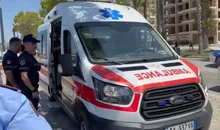
Vacationer in Vlora injured by boat propellers, suspected of having cuts on leg
2026-07-23 18:21:00
Video/ Protesters 'wash' SP MP's car with eggs
2026-07-23 18:04:23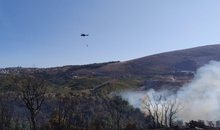
Fire continues to spread in the villages of Finiqi, firefighter injured
2026-07-23 17:48:02
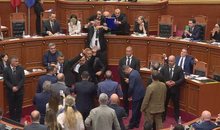
The moment Bardhi throws water at Rama, Peleshi expels him from Parliament
2026-07-23 16:29:07
Rama në Kuvend, opozita bllokon foltoren, mazhoranca mbyll diskutimet
2026-07-23 15:42:56
Drones 'scan' Berat, hundreds of fines for traffic violations
2026-07-23 15:21:53
7 theft cases solved in Durrës, 29-year-old arrested
2026-07-23 15:07:51
From Bovilla to the Adriatic: Polluted waters everywhere!
2026-07-23 14:45:02
Core inflation reaches highest level since 2023
2026-07-23 14:31:22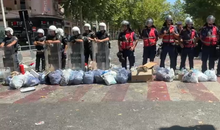
"Don't protect the trash", the protesters' symbolic message to the Police
2026-07-23 14:21:49
European Union fines Google $1 billion
2026-07-23 14:11:18
EU calls for repeal, government paves way for privatization of protected areas
2026-07-23 13:21:00
Protesters pelt Interior Minister Besfort Lamallari with eggs
2026-07-23 13:28:00
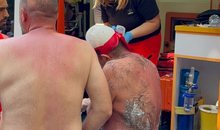
Tear gas and pepper spray, 17 people end up in hospital
2026-07-23 13:06:10
The opposition blocks the podium, the plenary session is interrupted
2026-07-23 12:52:00
Berisha condemns Balla's characterization of protesters as "terrorists"
2026-07-23 12:42:00
Zhupa-Vengut: Where are the two planes for the fires?
2026-07-23 12:29:53
Eggs thrown during protest, police escort 5 citizens
2026-07-23 12:20:00
Tabaku sfidon deputetët socialistë që të përballen me qytetarët në protestë
2026-07-23 12:10:23
Citizen loses consciousness during protest, taken to hospital by ambulance
2026-07-23 12:03:53
"Crime MP", protesters 'ambush' Sara Mila
2026-07-23 11:46:05
Emërohet shefi i ri i Komisariatit të Vlorës
2026-07-23 11:17:08
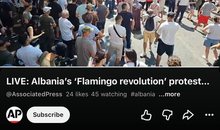
"Associated Press" reports live the protest in front of the Parliament
2026-07-23 10:53:49
Agron Shehaj clashes with the Guard, is not allowed to enter the session
2026-07-23 10:43:00
Berisha releases video, socialists "trapped" inside Parliament
2026-07-23 10:26:00
Dy fjalë për një kryeministër, malet e larta dhe burrat e nënshtruar
2026-07-23 10:26:51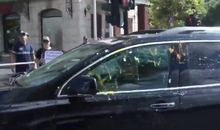
Protesters pelt Iris Luarasi's car with eggs
2026-07-23 10:13:56

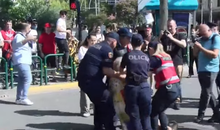
Photo/ Police drag an elderly man
2026-07-23 09:54:00
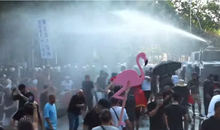
The situation escalates, police throw pepper spray and tear gas at protesters
2026-07-23 09:40:00
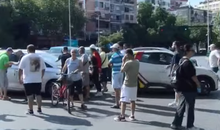
Protesters block Elbasan road, clash with drivers
2026-07-23 09:24:00
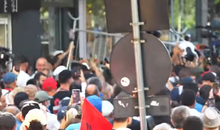
Protesters break through metal fence, clash with officers
2026-07-23 09:07:00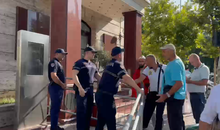

Horoskopi, njihuni me parashikimin e yjeve
2026-07-23 08:16:58
Outside revolt, inside session: Parliament closes session amid citizen protest
2026-07-23 08:03:00
Clear skies and clouds, the weather forecast for this Thursday
2026-07-23 07:54:00
The price of diesel increases by 8 lek, reaching 206 lek per liter
2026-07-22 22:58:00
Chaos in Buenos Aires after Argentina's loss, fans clash with police
2026-07-22 22:45:25
"Without youth, there is no Albania", protesters close the 53rd day of revolt
2026-07-22 22:01:03