
 Flash News
Lushnje/ Suspected of raping a 27-year-old woman with mental health problems, 42-year-old wanted
Photo/ Citizens 'armed' with eggs and tomatoes, facing the state that attacks them with pepper spray and tear gas
Berisha releases video, socialists "trapped" inside Parliament
The situation escalates, police throw pepper spray and tear gas at protesters
Protests begin, citizens gather around the Parliament: Down with the government, down with Edi Rama!

This summer, high temperatures rarely subside, so many people are seeking refuge from the heat in air-conditioned spaces. Air conditioners often run for hours and are often set to very low temperatures.
While air conditioning provides much-needed relief during heatwaves, it can also have unwanted effects on your body. GPs tell The Independent how air conditioning can affect your health and what you can do to minimise any potential discomfort.
peelings
Spending too much time in air-conditioned spaces can dry out your skin. "Air conditioners pull moisture out of the air to make the space more comfortable, but this can speed up the loss of water from your skin," explains Dr Opel Baker, a GP at the Mayfield Clinic in Brighton.
"The consequences can be dryness, tightness and peeling of the skin, and sometimes increased sensitivity, eczema or chapped lips. If you already have dry or sensitive skin, you will notice that air conditioning makes the condition worse."
Eyes
"Air conditioning similarly dries out the eyes, causing a stinging or burning sensation. In very rare cases, blurred vision can also occur, but this is really the exception," says Baker.
He adds that contact lens wearers may experience more discomfort. "Blinking your eyes more often can help alleviate symptoms," Baker recommends.
Nose and throat
"The nose and throat need to be moist. If they dry out, they become irritated, which can cause a sore throat, nasal congestion, or hoarseness," says Baker.
Dr. Lucy Hooper, a London-based physician and co-founder of Coyne Medical, agrees. She adds, "When the nose and throat become dry, mucus becomes harder to clear, and mucus is an important part of our immune system."
Some people may also experience nosebleeds. "Air conditioning can dry out the lining of your nose, making it more prone to cracking. Bleeding can occur if you blow your nose too hard or touch it," Baker explains.
Lungs
"If air conditioners are not properly maintained, they can increase the circulation of dust, pollen, and mold into the air. This irritates the lungs and can trigger asthma attacks," says Baker.
Dr. Hooper adds that such an environment also increases the risk of respiratory infections. "If you already have chronic lung disease, an additional infection can create serious problems," she points out.
Headaches and muscle aches
"You may have experienced headaches or body aches after spending a long time in an air-conditioned hotel room. This is due to dry skin and possible dehydration, and the cold air can also cause muscle tension," explains Baker.
"Dehydration is most often the main cause of these symptoms, but air conditioning also contributes to such effects," he concludes.
How to mitigate the negative consequences
Doctors offer some practical tips to reduce irritation caused by air conditioning. The key is to drink enough water and stay hydrated.
Dr. Baker also recommends a complete skin-care routine. "If you know you're going to be in an air-conditioned space for a long time, apply a moisturizer. It will create a barrier that prevents moisture loss," he says. Dr. Hooper recommends products that contain humectants, such as glycerin or hyaluronic acid, because they bind moisture and keep skin hydrated.
Protect your lips with a nourishing balm, and if you wear contact lenses, consider wearing them for a shorter period of time or using eye drops, Hooper suggests. In the car, it's helpful to direct the air vents away from your face and eyes.
Dr. Hooper points out that houseplants can also help by restoring moisture to the atmosphere. If you have air conditioning in your home, Baker stresses the importance of regular maintenance and cleaning of the filters. "You might also want to consider purchasing a humidifier," he adds.
Finally, Dr. Hooper advises evaluating when you really need air conditioning. "While it cools us down, you may not need it as soon as you get home or to the office in the morning. It's wiser to wait until the temperature rises in the afternoon before turning it on," she concludes.
Latest news

"Crime MP", protesters 'ambush' Sara Mila
2026-07-23 11:46:05




"Associated Press" reports live the protest in front of the Parliament
2026-07-23 10:53:49
Agron Shehaj clashes with the Guard, is not allowed to enter the session
2026-07-23 10:43:00
Berisha releases video, socialists "trapped" inside Parliament
2026-07-23 10:26:00
Dy fjalë për një kryeministër, malet e larta dhe burrat e nënshtruar
2026-07-23 10:26:51
Protesters pelt Iris Luarasi's car with eggs
2026-07-23 10:13:56


Photo/ Police drag an elderly man
2026-07-23 09:54:00

The situation escalates, police throw pepper spray and tear gas at protesters
2026-07-23 09:40:00

Protesters block Elbasan road, clash with drivers
2026-07-23 09:24:00

Protesters break through metal fence, clash with officers
2026-07-23 09:07:00





Horoskopi, njihuni me parashikimin e yjeve
2026-07-23 08:16:58
Outside revolt, inside session: Parliament closes session amid citizen protest
2026-07-23 08:03:00
Clear skies and clouds, the weather forecast for this Thursday
2026-07-23 07:54:00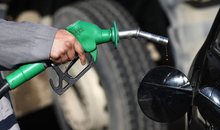
The price of diesel increases by 8 lek, reaching 206 lek per liter
2026-07-22 22:58:00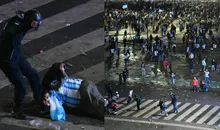
Chaos in Buenos Aires after Argentina's loss, fans clash with police
2026-07-22 22:45:25

"Without youth, there is no Albania", protesters close the 53rd day of revolt
2026-07-22 22:01:03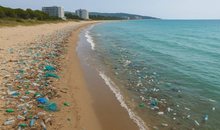
Edi Rama's hypocrisy with tourism
2026-07-22 21:38:40

Citizen in protest: Albanians have been stabbed in the gut, we demand change
2026-07-22 20:48:47


Protest enters eighth week, citizens demand Rama's resignation
2026-07-22 19:41:00
Tragedy near TEG, second person in concrete batching plant dies
2026-07-22 19:14:00

Did the reinvestment of profits influence the "Glorious Uprising" of the lek?
2026-07-22 18:40:58

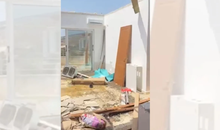
Storm destroys roof of 12-story building in Saranda, four families homeless
2026-07-22 17:30:00
Concrete mixer falls from height onto TEG roundabout, one victim and one injured
2026-07-22 17:01:00





Real Madrid launches attack for Rodri
2026-07-22 15:35:40
Facebook, Instagram and Messenger out of service for many users!
2026-07-22 15:25:54


Guardiola in talks to coach Italy
2026-07-22 14:34:55




Academician Emin Riza, prominent researcher of cultural heritage, passes away
2026-07-22 13:41:12
Summer depression: Why do some people feel worse in the hot months?
2026-07-22 13:31:44
All vessels in Saranda are prohibited from going to sea.
2026-07-22 13:20:54
Bad weather in Saranda, a fisherman is found dead at sea
2026-07-22 13:13:00
This is the policeman from Kosovo who allegedly committed suicide in Kukës
2026-07-22 13:02:54




Hegseth: War with Iran has cost the US $37.5 billion
2026-07-22 12:10:00

Kontroll në burgun e Drenovës, Laert Haxhiut i gjendet telefon në qeli
2026-07-22 11:40:28
Could the US-Iran battle for Hormuz be a victory for Russia and China?
2026-07-22 11:26:48


Albania: a development model based on money laundering?
2026-07-22 10:56:56
After the "Cuban Package", Rama in Theth with the "Mountain Package"
2026-07-22 10:56:00

Euromoney crowns Credins bank as “Best Bank for Corporate Responsibility 2026”
2026-07-22 10:32:23
Kukës/ A police officer from Prizren is found without signs of life
2026-07-22 10:24:06

Albanian 'hawk' who terrorized England sentenced to 10 years in prison
2026-07-22 10:00:39
Strong storms sweep the country this weekend, here are the most at risk areas
2026-07-22 09:50:52
How do air conditioners affect health?
2026-07-22 09:38:00
France becomes first EU country to ban social media for children under 15
2026-07-22 09:27:11
Van collides with tractor on Rrogozhina-Lushnjë road, one injured / NAME
2026-07-22 09:19:00
The war for the algorithm: Hundreds of fake profiles target protest supporters
2026-07-22 09:05:36
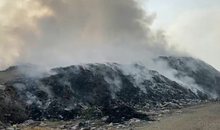
Fire at waste landfill, toxic smoke invades Fushë-Krujë
2026-07-22 08:39:23

Unstable air masses and rain, this is the weather forecast for this Wednesday
2026-07-22 08:02:03

The storm also hits Albania, strong winds empty the Lungomare in Vlora
2026-07-21 22:34:30

770 kg of cocaine seized in Italy, most of the packages with Serbian flag
2026-07-21 21:46:44

Bad weather in Kosovo, one person dies, two others injured
2026-07-21 21:05:34