 Flash News
Serious accident near TEG, a concrete mixer falls from the overpass onto the highway
Facebook, Instagram and Messenger out of service for many users!
Bad weather in Saranda, a fisherman is found dead at sea
Violation of Muçi Shaljani's employment procedures, 6 months in prison for two former AMP officials
She lost contact with her family, the Brazilian embassy asked for help/ The story of the woman involved in prostitution in Albania is revealed
"The Lek Uprising", this surreal success of the government that could not reduce food prices

Politiko
2026-07-21 20:20:45
Irena Beqiraj
Three talented young economists, Azmi Stringa, Idlir Gjata and Alban Korbi, have conducted a scientific study on the rise in food prices in Albania and have reached some dangerous conclusions, which make their study worthy of being classified as a lightning rod by the government.
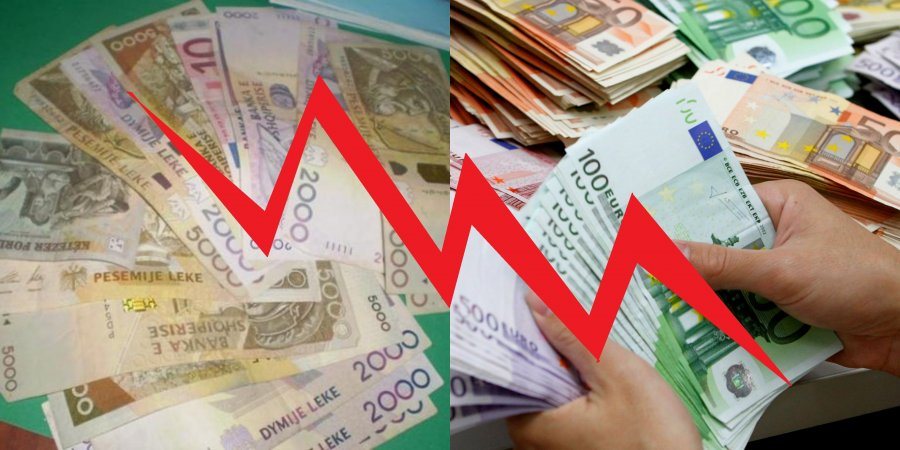
In 2024, food and non-alcoholic beverage prices in Albania reached 100% of the EU average, up from 68% in 2012. This increase has paradoxically occurred even though the local currency, the lek, has appreciated by 30%.
This has been the largest increase in food prices recorded in the Balkans during this period, despite the country registering similar economic growth rates to the regional average.
Food prices in Albania are today at higher levels than in countries such as the Netherlands and Spain, which have a GDP per capita and household well-being significantly higher than Albania. Thus, Albanian families, who spend 40% of their income on food, face price levels comparable to those of much wealthier families in the EU.
The study provides a comparative analysis based on food price inflation in Albania from 2013 to 2024, comparing its trends with food inflation rates in the European Union (EU), major trading partners, and countries in the region. It also assesses the role of the strengthening of the lek in determining domestic prices.
The results that emerge from scientific econometric models (not from government arithmetic) based on harmonized consumer price data and exchange rate-adjusted regression models reveal that food prices in Albania have increased EARLY, FASTER, EVEN MORE FREQUENTLY than in the countries of the region, even though the lek has appreciated by 30% over the decade.
While food price movements in Albania seem to move in the same direction as EU trends, if the exchange rate effect is taken into account, the correlation of food price changes in Albania with price changes in the EU and the region drops significantly to almost 0, which shows that the BENEFITS FROM THE STRENGTHENING OF THE LEK HAVE NOT BEEN PASSED ON TO CONSUMERS. So today there is less on the desks of workers and pensioners!
These findings provide strong empirical evidence that Albania's inflationary outcomes are not simply imported, but rather prices are rising domestically due to structural economic problems, weak market competition, opaque pricing, and limited regulatory oversight.
Faced with these conclusions, the government has two options:
-or ask with characteristic persistence why these guys are so angry about its own glory
-or tell us who benefited from the "lek uprising" since consumers did not benefit, on the contrary, in 2025 food prices exceeded the European average by 3.8%.
People do not differ much in their ability to distinguish evil, they differ much in their ability to justify it.
Latest news

Chaos in Buenos Aires after Argentina's loss, fans clash with police
2026-07-22 22:45:25

"Without youth, there is no Albania", protesters close the 53rd day of revolt
2026-07-22 22:01:03
Edi Rama's hypocrisy with tourism
2026-07-22 21:38:40

Citizen in protest: Albanians have been stabbed in the gut, we demand change
2026-07-22 20:48:47

Protest enters eighth week, citizens demand Rama's resignation
2026-07-22 19:41:00
Tragedy near TEG, second person in concrete batching plant dies
2026-07-22 19:14:00

Did the reinvestment of profits influence the "Glorious Uprising" of the lek?
2026-07-22 18:40:58

Storm destroys roof of 12-story building in Saranda, four families homeless
2026-07-22 17:30:00
Concrete mixer falls from height onto TEG roundabout, one victim and one injured
2026-07-22 17:01:00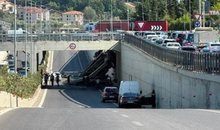




Real Madrid launches attack for Rodri
2026-07-22 15:35:40
Facebook, Instagram and Messenger out of service for many users!
2026-07-22 15:25:54


Guardiola in talks to coach Italy
2026-07-22 14:34:55



Academician Emin Riza, prominent researcher of cultural heritage, passes away
2026-07-22 13:41:12
Summer depression: Why do some people feel worse in the hot months?
2026-07-22 13:31:44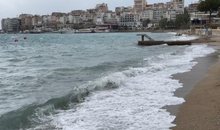
All vessels in Saranda are prohibited from going to sea.
2026-07-22 13:20:54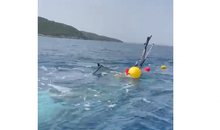
Bad weather in Saranda, a fisherman is found dead at sea
2026-07-22 13:13:00
This is the policeman from Kosovo who allegedly committed suicide in Kukës
2026-07-22 13:02:54


Hegseth: War with Iran has cost the US $37.5 billion
2026-07-22 12:10:00

Kontroll në burgun e Drenovës, Laert Haxhiut i gjendet telefon në qeli
2026-07-22 11:40:28
Could the US-Iran battle for Hormuz be a victory for Russia and China?
2026-07-22 11:26:48

Albania: a development model based on money laundering?
2026-07-22 10:56:56
After the "Cuban Package", Rama in Theth with the "Mountain Package"
2026-07-22 10:56:00

Euromoney crowns Credins bank as “Best Bank for Corporate Responsibility 2026”
2026-07-22 10:32:23
Kukës/ A police officer from Prizren is found without signs of life
2026-07-22 10:24:06

Albanian 'hawk' who terrorized England sentenced to 10 years in prison
2026-07-22 10:00:39
Strong storms sweep the country this weekend, here are the most at risk areas
2026-07-22 09:50:52
How do air conditioners affect health?
2026-07-22 09:38:00
France becomes first EU country to ban social media for children under 15
2026-07-22 09:27:11
Van collides with tractor on Rrogozhina-Lushnjë road, one injured / NAME
2026-07-22 09:19:00
The war for the algorithm: Hundreds of fake profiles target protest supporters
2026-07-22 09:05:36
Fire at waste landfill, toxic smoke invades Fushë-Krujë
2026-07-22 08:39:23

Unstable air masses and rain, this is the weather forecast for this Wednesday
2026-07-22 08:02:03

The storm also hits Albania, strong winds empty the Lungomare in Vlora
2026-07-21 22:34:30
770 kg of cocaine seized in Italy, most of the packages with Serbian flag
2026-07-21 21:46:44

Bad weather in Kosovo, one person dies, two others injured
2026-07-21 21:05:34


Protests against Rama's "algorithm", engaged voices from the square speak
2026-07-21 19:39:00
"Rama is gone", protesters gather again in Tirana after 52 days of resistance
2026-07-21 19:12:27



From Latin America to Kosovo/ How are women trafficked for sexual services?
2026-07-21 18:23:03
Nico Williams dedicates World Cup trophy to Neymar
2026-07-21 18:05:03
After three years in Tirana, Silvio Gonzato closes his mission in Albania
2026-07-21 17:41:00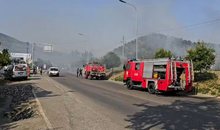
Fire near apartments in Elbasan, explosions during firefighters' intervention
2026-07-21 17:22:00
Blendi Gonxhja insults protesters: A bunch of fools throwing stones
2026-07-21 16:55:46


The criminal returns to the scene of the crime!
2026-07-21 15:54:42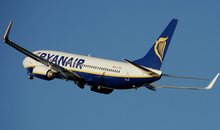
Emergency on London-Tirana flight, Ryanair plane makes forced landing
2026-07-21 15:42:41


Why does everyone want an Aquarius in their life?
2026-07-21 14:47:07

Albanians in the square for troubles, Gonxha in trouble for JLo
2026-07-21 14:29:00

The Supreme Court rejects Veliaj's appeal regarding pre-trial detention terms
2026-07-21 13:54:11


Assassination in Elbasan, suspected target was "Ot Kilë's" nephew
2026-07-21 13:10:57
Vokshi: MEP's statements sink Rama, SPAK to launch investigations
2026-07-21 12:59:36

Was Einstein ever wrong?
2026-07-21 12:32:36