 Flash News
Albanian 'hawk' who terrorized England sentenced to 10 years in prison
Van collides with tractor on Rrogozhina-Lushnjë road, one injured / NAME
Storm causes injuries in Saranda, OSHEE employee dies while repairing electrical network
The storm also hits Albania, strong winds empty the Lungomare in Vlora
770 kg of cocaine seized in Italy, most of the packages with Serbian flag
The war for the algorithm: Hundreds of fake profiles target protest supporters

Politiko
2026-07-22 09:05:36
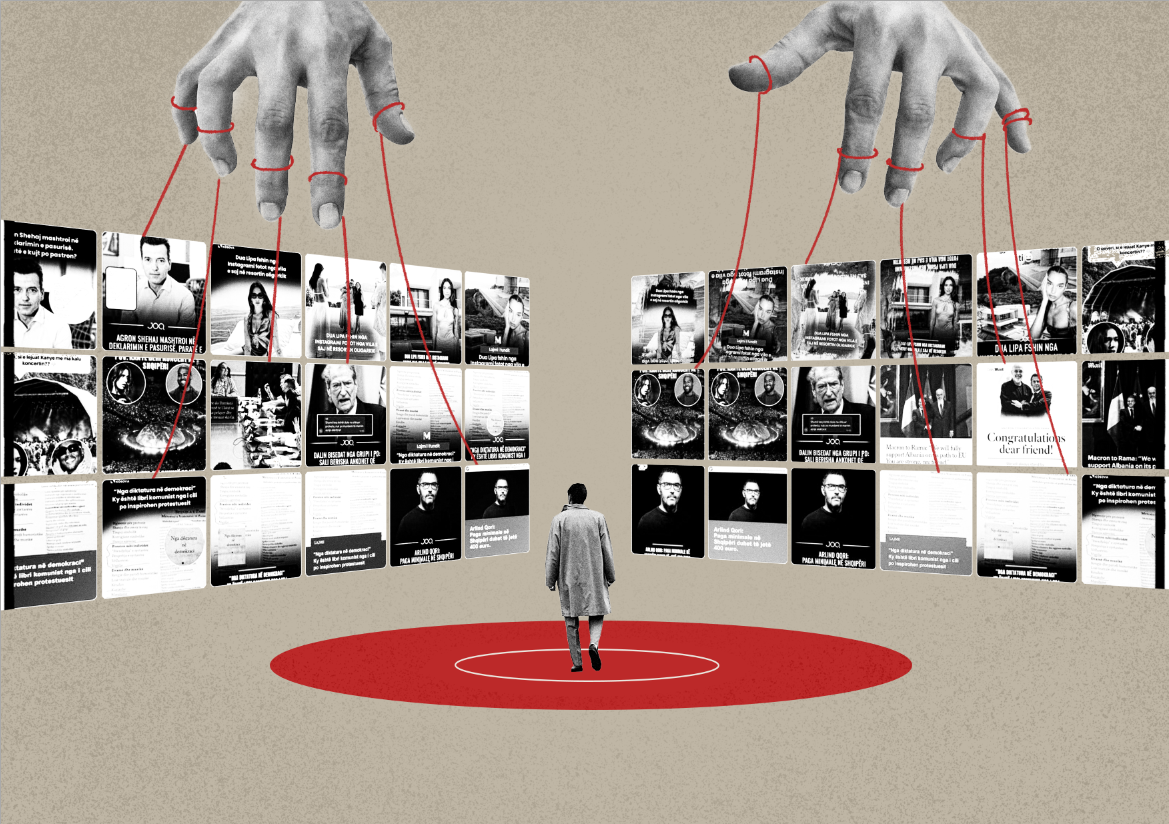
The former director of the National Theater, Hervin Çuli, brought back to attention through a Facebook status on July 14 a former conflict with the former Minister of Culture over what he called the "fake algorithm".
While in office, Çuli says he was asked to share and like posts from the Ministry and subordinate institutions on social media – a widespread practice among public administration, which he considered “a daily professional sacrifice for one more like.”
According to him, former minister Elva Margariti had presented the request as a message from the prime minister.
Director and actor Hervin Çuli directed the National Theater for two terms between 2014-2022, but the government's battle to dominate social media does not seem to have changed.
“The scheme was simple,” Çuli explained in a telephone conversation with BIRN.
“A Whatsapp group was created with all the directors of the Ministry of Culture and there they had to share the activities and what was posted,” he added, emphasizing that this was also forwarded to subordinates. “There the posts were made and you had to share and like them.”
Faced with marathon protests demanding his resignation for 50 days, Prime Minister Edi Rama accused, among other things, the social media algorithm of throwing "gasoline on the fire" of the civic revolt.
"The more visibility, the more influence. The more influence, the more power. Over whom? Over the slaves of algorithms, over all of us," Rama declared in a meeting with the SP parliamentary group.
But data obtained by BIRN suggests that during the heated days of the protests, social media platforms were flooded with hundreds of fake accounts, which simultaneously spread government propaganda as well as coordinated attacks on protest supporters.
The mechanism is almost identical to that used by public administration, where videos prepared by government PR offices and ready-made memes are simultaneously distributed by a digital army hidden behind ghost profiles.
According to information technology experts, this technique is used to create the false idea of public support, as much as to attack opponents.
“When operating in large numbers and in a synchronized manner, social media algorithms can interpret this activity as organic interest, giving content more reach,” said Besmir Semanaj, IT expert.
The prime minister's press office denied the connection between the fake profiles and administration employees.
“Nuk ka asnjë urdhër a koordinim të administratës për këtë gjë nga qeveria, madje qeveria e konsideron absurd këtë pretendim,” tha një këshilltare për mediat e kryeministrit. Ish-ministrja e Kulturës, Elva Margariti, refuzoi të komentonte mbi statusin e Hervin Çulit.
Propagandë dhe fushata denigruese
Teknika e shpërndarjes masive të përmbajtjes nga shumë aktorë njëkohësisht njihet nga studiuesit si “sjelljes joautentike e koordinuar”.
Në një publikim të vitit 2025 në Sage Journals, studiuesit Richard Rogers dhe Nicola Righetti theksojnë se qëllimi kryesor i kësaj sjelljeje është gënjimi i algoritmeve që përdorin rrjetet sociale, përmes imitimit të “angazhimit organik”.
Kjo nuk është diçka e re në Shqipëri. Gjatë fushatës së fundit elektorale, qindra profile që përfundonin në mënyrë unike “.2025” u përdorën për të komentuar apo sulmuar kandidatë të ndryshëm. Njësoj si në kohë zgjedhjesh, qindra profile të rreme janë hedhur në hapësirat virtuale të rrjeteve sociale, duke targetuar këtë herë protestën.
BIRN identifikoi mbi 100 profile të rreme në Facebook dhe Instagram, të krijuara mes datave 28-30 qershor. Një pjesë e madhe e tyre u identifikuan duke monitoruar manualisht postimet e kryeministrit në Facebook dhe personat që i kishin shpërndarë ato.
Profilet nuk e fshehin përkatësinë, pasi përdorin kryesisht si pseudonim emra qytetesh dhe lidhje direkte me Partinë Socialiste, të tilla si “Edi Rama per Shqiperine 2030”, “kolonjasot2030” apo “Bulqiza e së Ardhmes 2030”.
Edhe pse kanë emra të ndryshëm, profilet shpërndajnë përmbajtje të njëjtë propagandistike. Por ndryshe nga profilet reale që shpërndajnë kryesisht postime pozitive në favor të qeverisë, profilet e rreme përdoren masivisht për të sulmuar apo delegjitimuar protestën apo mbështetës të saj.
Të targetuar janë kryesisht drejtuesit e partive të vogla parlamentare, Agron Shehaj dhe Arlind Qorri, personazhe që kanë treguar protagonizëm në protestë dhe deri te këngëtarja Dua Lipa, e cila mbajti së fundmi një qëndrim pro protestës që zhvillohet prej fillimit të qershorit në Tiranë.
Postimet në këto faqe, memet apo fotomontazhet janë shpesh identike nga njëri profil në tjetrin. Por edhe pse duket se ato nuk marrin fare vëmendje, kjo nuk i bën të padëmshme.
Deputetja Marjana Koçeku i tha BIRN se u përball me një fushatë të egër denigruese online, pasi deklaroi se po shkëputej nga Partia Socialiste për shkak të protestave.
“Ishin profile të reja dhe përdornin gjuhë denigruese e fyese. I kam ruajtur të gjitha, zgjati disa ditë,” tha Koçeku për BIRN.
Edhe aktivistja Sidorela Vatnikaj e gjeti veten të targetuar online për shkak të angazhimit të saj në protestë, përmes sulmeve masive të dirigjuara nga profile false apo nga profile reale militantësh partiakë.
“Këta kryesisht synojnë të shajnë individin, të thonë ‘je e Sorosit’ etj. Pati një rast që më përmendën edhe partnerin,” thotë Vatnikaj, duke theksuar se gjatë sulmeve përdoret shpesh gjuhë diskriminuese krahinore, me etiketime si “maloke” apo të “dhunshme”.
Digital patronage
Former public administration officials told BIRN that the ruling majority has been using a digital machine for years that is maintained through a monitoring structure and is headed by a "Digital Coordinator".
According to them, the mechanism is fed by products produced by PR offices and includes almost all branches of the administration, through hierarchical lines that were justified under the pretext of transparency, but were deeply controlling.
A former central government official told BIRN that she had been part of WhatsApp groups where posts were posted and everything was monitored.
"They hired specific people for this, girls with Chanel bags, who did nothing else. Everything was checked normally and they had a system for evaluation," she said on condition of anonymity.
This practice is also confirmed by another former employee at lower levels of administration, who emphasizes that posts were posted in these groups that had to be shared on their social media profiles and forced to be liked, especially during the campaign.
"If a person in the group wasn't active enough, they were alerted with messages like 'you're not active,'" she says, adding that every interaction was meticulously recorded and there was a rating system.
Former officials told BIRN that to identify people who were part of this digital patronage system, it is enough to follow who likes and shares the posts of a certain X ministry.
"They notice that in these profiles, although real, there is nothing personal, but only sharing political posts," said one of them.
"It's easier on the pages of public figures that have less distribution," another former official suggested to us.
These explanations led BIRN to identify more fake profiles created in late June, as well as a number of people employed in the administration who shared and liked the political positions of the majority representatives, including positions against the protest.
For example, a post by former Deputy Prime Minister Belinda Balluku, comparing the recent protest to the attack on the prime minister's office in 1998, was shared by a number of employees of public administration, municipalities, or public companies in Fier, Patos, and Lushnja.
Following these profiles, behind which there are real people, it is also noted that they do not only share political content, but also videos of sunsets at sea, posted by Balluku./ BIRN
Latest news

Kukës/ A police officer from Prizren is found without signs of life
2026-07-22 10:24:06
Albanian 'hawk' who terrorized England sentenced to 10 years in prison
2026-07-22 10:00:39
Strong storms sweep the country this weekend, here are the most at risk areas
2026-07-22 09:50:52
How do air conditioners affect health?
2026-07-22 09:38:00
France becomes first EU country to ban social media for children under 15
2026-07-22 09:27:11
Van collides with tractor on Rrogozhina-Lushnjë road, one injured / NAME
2026-07-22 09:19:00
The war for the algorithm: Hundreds of fake profiles target protest supporters
2026-07-22 09:05:36
Fire at waste landfill, toxic smoke invades Fushë-Krujë
2026-07-22 08:39:23

Unstable air masses and rain, this is the weather forecast for this Wednesday
2026-07-22 08:02:03

The storm also hits Albania, strong winds empty the Lungomare in Vlora
2026-07-21 22:34:30
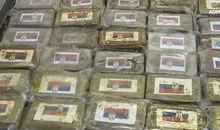
770 kg of cocaine seized in Italy, most of the packages with Serbian flag
2026-07-21 21:46:44

Bad weather in Kosovo, one person dies, two others injured
2026-07-21 21:05:34


Protests against Rama's "algorithm", engaged voices from the square speak
2026-07-21 19:39:00
"Rama is gone", protesters gather again in Tirana after 52 days of resistance
2026-07-21 19:12:27



From Latin America to Kosovo/ How are women trafficked for sexual services?
2026-07-21 18:23:03
Nico Williams dedicates World Cup trophy to Neymar
2026-07-21 18:05:03
After three years in Tirana, Silvio Gonzato closes his mission in Albania
2026-07-21 17:41:00
Fire near apartments in Elbasan, explosions during firefighters' intervention
2026-07-21 17:22:00
Blendi Gonxhja insults protesters: A bunch of fools throwing stones
2026-07-21 16:55:46


The criminal returns to the scene of the crime!
2026-07-21 15:54:42
Emergency on London-Tirana flight, Ryanair plane makes forced landing
2026-07-21 15:42:41


Why does everyone want an Aquarius in their life?
2026-07-21 14:47:07

Albanians in the square for troubles, Gonxha in trouble for JLo
2026-07-21 14:29:00

The Supreme Court rejects Veliaj's appeal regarding pre-trial detention terms
2026-07-21 13:54:11


Assassination in Elbasan, suspected target was "Ot Kilë's" nephew
2026-07-21 13:10:57
Vokshi: MEP's statements sink Rama, SPAK to launch investigations
2026-07-21 12:59:36

Was Einstein ever wrong?
2026-07-21 12:32:36
Former Mayor of Divjaka Fredi Kokoneshi Appears in the Criminal Court
2026-07-21 12:14:35



Veliaj's lawyer fined for failing to appear at hearing
2026-07-21 11:12:41
Haxhiu seals the departures of 7 Serbian prosecutors
2026-07-21 10:53:36
Who benefits from the "strategic investor"?
2026-07-21 10:30:00


Sinaloa Cartel Boss Sentenced to Life in Prison
2026-07-21 10:00:21
Korça/ 66-year-old man found dead inside burned vehicle
2026-07-21 09:37:07

Foreign exchange, how much foreign currencies are bought and sold today
2026-07-21 08:50:57
Britain raises alarm: Albanians are running gangs from prison cells
2026-07-21 08:34:38

Horoscope, get to know the star forecast
2026-07-21 08:06:53

Why drinking alcohol during the day makes you feel more drunk
2026-07-20 22:58:31
Artan Hoxha provides details about the injury of 3 young people in Elbasan
2026-07-20 22:50:00
Cako: Our thoughts will change with waves, expect an alien "attack"
2026-07-20 22:31:39

Rrezikonte mbytjen në lumin Vjosa në Këlcyrë, shpëtohet turistja 10-vjeçare
2026-07-20 21:49:04
Shots fired at a bar in Elbasan, waiter injured
2026-07-20 21:07:42
Massive fire in an apartment in Greece, residents evacuated
2026-07-20 20:48:16
Accident in front of the Foreign Ministry in Tirana
2026-07-20 20:21:15

MEP warns Rama: EU is following the money, there will be consequences
2026-07-20 19:41:54
Fire along the Fier-Vlora highway, making vehicle traffic difficult
2026-07-20 19:27:12
Albanian arrested in Italy after 14 years for drug conviction
2026-07-20 19:02:28
Air pollution at alarming levels, the state 'turns a blind eye'
2026-07-20 18:01:57
Plenary session postponed to Thursday after tensions
2026-07-20 17:30:54

Albania is "burning" from the heat, up to 47°C, here's when the cool down comes
2026-07-20 16:46:58
Mother and son in danger of drowning on Shëngjin beach are rescued
2026-07-20 16:01:03

The 10 best national teams in World Cup history
2026-07-20 14:40:00