
 Flash News
Bad weather in Saranda, a fisherman is found dead at sea
Violation of Muçi Shaljani's employment procedures, 6 months in prison for two former AMP officials
She lost contact with her family, the Brazilian embassy asked for help/ The story of the woman involved in prostitution in Albania is revealed
After the "Cuban Package", Rama in Theth with the "Mountain Package"
Albanian 'hawk' who terrorized England sentenced to 10 years in prison
Summer depression: Why do some people feel worse in the hot months?

Politiko
2026-07-22 13:31:44
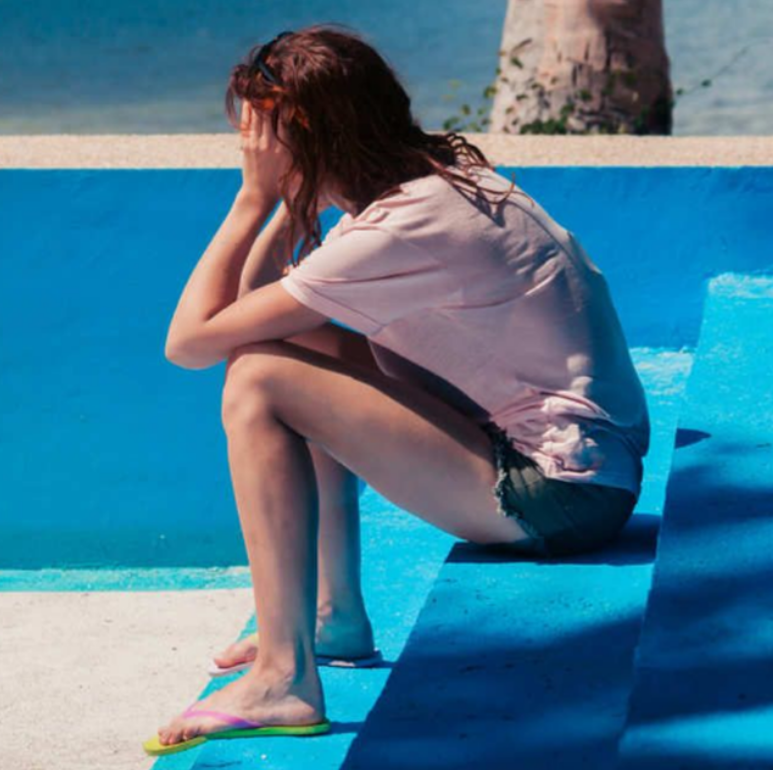
Summer is often associated with vacations, travel, and more time outdoors, but for some people this season can be associated with the opposite: sadness, anxiety, and lack of energy.
Mental health experts describe this as summer seasonal depression, a form of seasonal affective disorder (SAD), where symptoms appear during the warmer months and may go away with the arrival of other seasons.
According to clinical psychologist Adam Borland, the impact of summer on mental health is linked to a combination of biological factors and changes in daily life. High temperatures can cause physical and mental fatigue, while longer days can disrupt sleep patterns.
Even a change in routine, due to vacations, travel, or a more irregular schedule, can affect some people's mood.
The most common signs of summer depression include anxiety, irritability, insomnia, feeling tense, lack of motivation, fatigue, social isolation, and decreased appetite.
Unlike the more well-known form of seasonal depression that occurs in winter and is often accompanied by an increase in appetite, during the summer some people experience loss of appetite and difficulty maintaining energy.
To manage these symptoms, specialists suggest maintaining a consistent sleep routine, avoiding extreme temperatures, monitoring emotional changes, and limiting time on social media.
However, if feelings of sadness, anxiety, or lack of energy are affecting daily life, relationships, or work, seeking help from a mental health professional is recommended.
Seasonal depression, including that which occurs during the summer, is a treatable condition through psychotherapy, tailored treatments, and lifestyle changes.
Latest news





Academician Emin Riza, prominent researcher of cultural heritage, passes away
2026-07-22 13:41:12
Summer depression: Why do some people feel worse in the hot months?
2026-07-22 13:31:44
All vessels in Saranda are prohibited from going to sea.
2026-07-22 13:20:54
Bad weather in Saranda, a fisherman is found dead at sea
2026-07-22 13:13:00
This is the policeman from Kosovo who allegedly committed suicide in Kukës
2026-07-22 13:02:54




Hegseth: War with Iran has cost the US $37.5 billion
2026-07-22 12:10:00

Kontroll në burgun e Drenovës, Laert Haxhiut i gjendet telefon në qeli
2026-07-22 11:40:28
Could the US-Iran battle for Hormuz be a victory for Russia and China?
2026-07-22 11:26:48

Albania: a development model based on money laundering?
2026-07-22 10:56:56
After the "Cuban Package", Rama in Theth with the "Mountain Package"
2026-07-22 10:56:00

Euromoney crowns Credins bank as “Best Bank for Corporate Responsibility 2026”
2026-07-22 10:32:23
Kukës/ A police officer from Prizren is found without signs of life
2026-07-22 10:24:06

Albanian 'hawk' who terrorized England sentenced to 10 years in prison
2026-07-22 10:00:39
Strong storms sweep the country this weekend, here are the most at risk areas
2026-07-22 09:50:52
How do air conditioners affect health?
2026-07-22 09:38:00
France becomes first EU country to ban social media for children under 15
2026-07-22 09:27:11
Van collides with tractor on Rrogozhina-Lushnjë road, one injured / NAME
2026-07-22 09:19:00
The war for the algorithm: Hundreds of fake profiles target protest supporters
2026-07-22 09:05:36
Fire at waste landfill, toxic smoke invades Fushë-Krujë
2026-07-22 08:39:23

Unstable air masses and rain, this is the weather forecast for this Wednesday
2026-07-22 08:02:03

The storm also hits Albania, strong winds empty the Lungomare in Vlora
2026-07-21 22:34:30

770 kg of cocaine seized in Italy, most of the packages with Serbian flag
2026-07-21 21:46:44
Bad weather in Kosovo, one person dies, two others injured
2026-07-21 21:05:34



Protests against Rama's "algorithm", engaged voices from the square speak
2026-07-21 19:39:00
"Rama is gone", protesters gather again in Tirana after 52 days of resistance
2026-07-21 19:12:27



From Latin America to Kosovo/ How are women trafficked for sexual services?
2026-07-21 18:23:03
Nico Williams dedicates World Cup trophy to Neymar
2026-07-21 18:05:03
After three years in Tirana, Silvio Gonzato closes his mission in Albania
2026-07-21 17:41:00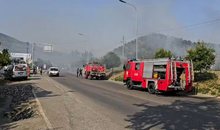
Fire near apartments in Elbasan, explosions during firefighters' intervention
2026-07-21 17:22:00
Blendi Gonxhja insults protesters: A bunch of fools throwing stones
2026-07-21 16:55:46


The criminal returns to the scene of the crime!
2026-07-21 15:54:42
Emergency on London-Tirana flight, Ryanair plane makes forced landing
2026-07-21 15:42:41


Why does everyone want an Aquarius in their life?
2026-07-21 14:47:07

Albanians in the square for troubles, Gonxha in trouble for JLo
2026-07-21 14:29:00

The Supreme Court rejects Veliaj's appeal regarding pre-trial detention terms
2026-07-21 13:54:11
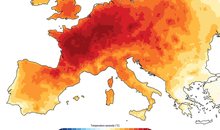


Assassination in Elbasan, suspected target was "Ot Kilë's" nephew
2026-07-21 13:10:57
Vokshi: MEP's statements sink Rama, SPAK to launch investigations
2026-07-21 12:59:36

Was Einstein ever wrong?
2026-07-21 12:32:36
Former Mayor of Divjaka Fredi Kokoneshi Appears in the Criminal Court
2026-07-21 12:14:35





Veliaj's lawyer fined for failing to appear at hearing
2026-07-21 11:12:41

Haxhiu seals the departures of 7 Serbian prosecutors
2026-07-21 10:53:36

Who benefits from the "strategic investor"?
2026-07-21 10:30:00


Sinaloa Cartel Boss Sentenced to Life in Prison
2026-07-21 10:00:21

Korça/ 66-year-old man found dead inside burned vehicle
2026-07-21 09:37:07


Foreign exchange, how much foreign currencies are bought and sold today
2026-07-21 08:50:57
Britain raises alarm: Albanians are running gangs from prison cells
2026-07-21 08:34:38

Horoscope, get to know the star forecast
2026-07-21 08:06:53

Why drinking alcohol during the day makes you feel more drunk
2026-07-20 22:58:31