 Flash News
EU calls for repeal, government paves way for privatization of protected areas
Tear gas and pepper spray, 17 people end up in hospital
Lushnje/ Suspected of raping a 27-year-old woman with mental health problems, 42-year-old wanted
Photo/ Citizens 'armed' with eggs and tomatoes, facing the state that attacks them with pepper spray and tear gas
Berisha releases video, socialists "trapped" inside Parliament

The most stable components of inflation recorded a strong increase in June. According to information from the Bank of Albania, core inflation, net core inflation and inflation excluding food and energy goods increased simultaneously and to a similar extent, indicating that price pressures remain high, even beyond the short-term effect of higher oil prices.
Central Bank figures show that annual core inflation rose to 3.54%, from 3.15% a month earlier.
Core inflation also remains on the rise compared to the same period in 2025, when it was 2.69%. Core inflation has reached its highest level since October 2023.
Core inflation remained above the level of total inflation in the economy this month, which for June, according to INSTAT figures, reached 3.2%.
The sub-basket that measures core inflation is calculated on a group of products and services that constitute 69.8% of the total Consumer Price Index basket.
Core inflation excludes products that are inherently highly volatile, such as food and energy.
The calculation of core inflation has as its main purpose to strip the overall price increase from fluctuations of a shorter-term nature. Core inflation is an important indicator for understanding longer-term price trends and is therefore continuously monitored by the Bank of Albania.
In parallel with core inflation, net core inflation also increased by similar amounts.
For June, this indicator reached 4.03%, up from 3.6% in May and also a significant increase from the level of 2.45% a year earlier.
Net core inflation further excludes processed food subgroups (including bread and cereals) from inflation and is measured over 49% of the CPI basket.
Meanwhile, inflation excluding all food and energy products in June 2026 increased to 3.94%, from 3.54% in May and 2.38% a year earlier.
The above data show that the price increase is not only related to the fluctuation of oil prices, caused mainly by geopolitical tensions in the Middle East. Inflationary pressures in the Albanian economy have a more stable base, which makes an increase in interest rates more likely in the near future.
At this month's Supervisory Council meeting, the Bank of Albania decided to leave the key interest rate unchanged at 2.5%.
According to the Supervisory Council's statement, based on expectations for a normalization of geopolitical tensions and oil prices in international markets, the supply shock in the second quarter is expected to have temporary consequences on the Albanian economy.
However, in the following weeks, tensions in the Middle East have flared up again and, moreover, the inflationary pressures generated by the domestic economy appear to be continuously increasing. /Monitor
Latest news

From Bovilla to the Adriatic: Polluted waters everywhere!
2026-07-23 14:45:02
Core inflation reaches highest level since 2023
2026-07-23 14:31:22
"Don't protect the trash", the protesters' symbolic message to the Police
2026-07-23 14:21:49
European Union fines Google $1 billion
2026-07-23 14:11:18
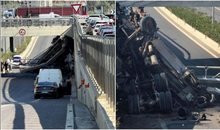
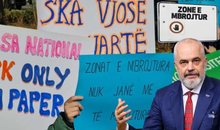
EU calls for repeal, government paves way for privatization of protected areas
2026-07-23 13:21:00
Protesters pelt Interior Minister Besfort Lamallari with eggs
2026-07-23 13:28:00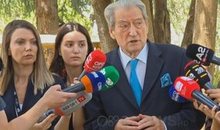

Tear gas and pepper spray, 17 people end up in hospital
2026-07-23 13:06:10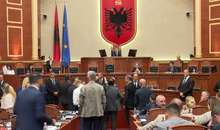
The opposition blocks the podium, the plenary session is interrupted
2026-07-23 12:52:00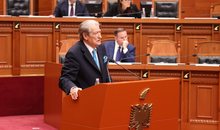
Berisha condemns Balla's characterization of protesters as "terrorists"
2026-07-23 12:42:00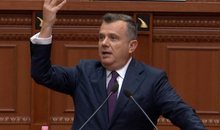

Zhupa-Vengut: Where are the two planes for the fires?
2026-07-23 12:29:53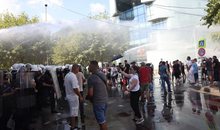
Eggs thrown during protest, police escort 5 citizens
2026-07-23 12:20:00
Tabaku sfidon deputetët socialistë që të përballen me qytetarët në protestë
2026-07-23 12:10:23
Citizen loses consciousness during protest, taken to hospital by ambulance
2026-07-23 12:03:53
"Crime MP", protesters 'ambush' Sara Mila
2026-07-23 11:46:05

Emërohet shefi i ri i Komisariatit të Vlorës
2026-07-23 11:17:08
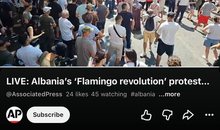
"Associated Press" reports live the protest in front of the Parliament
2026-07-23 10:53:49
Agron Shehaj clashes with the Guard, is not allowed to enter the session
2026-07-23 10:43:00
Berisha releases video, socialists "trapped" inside Parliament
2026-07-23 10:26:00
Dy fjalë për një kryeministër, malet e larta dhe burrat e nënshtruar
2026-07-23 10:26:51
Protesters pelt Iris Luarasi's car with eggs
2026-07-23 10:13:56


Photo/ Police drag an elderly man
2026-07-23 09:54:00
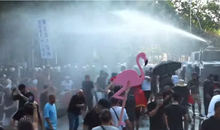
The situation escalates, police throw pepper spray and tear gas at protesters
2026-07-23 09:40:00

Protesters block Elbasan road, clash with drivers
2026-07-23 09:24:00
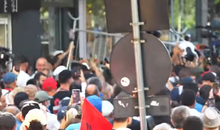
Protesters break through metal fence, clash with officers
2026-07-23 09:07:00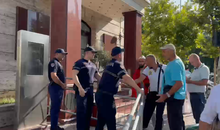


Horoskopi, njihuni me parashikimin e yjeve
2026-07-23 08:16:58
Outside revolt, inside session: Parliament closes session amid citizen protest
2026-07-23 08:03:00
Clear skies and clouds, the weather forecast for this Thursday
2026-07-23 07:54:00
The price of diesel increases by 8 lek, reaching 206 lek per liter
2026-07-22 22:58:00
Chaos in Buenos Aires after Argentina's loss, fans clash with police
2026-07-22 22:45:25

"Without youth, there is no Albania", protesters close the 53rd day of revolt
2026-07-22 22:01:03
Edi Rama's hypocrisy with tourism
2026-07-22 21:38:40

Citizen in protest: Albanians have been stabbed in the gut, we demand change
2026-07-22 20:48:47

Protest enters eighth week, citizens demand Rama's resignation
2026-07-22 19:41:00
Tragedy near TEG, second person in concrete batching plant dies
2026-07-22 19:14:00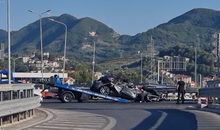

Did the reinvestment of profits influence the "Glorious Uprising" of the lek?
2026-07-22 18:40:58

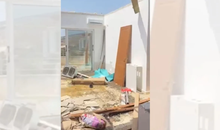
Storm destroys roof of 12-story building in Saranda, four families homeless
2026-07-22 17:30:00
Concrete mixer falls from height onto TEG roundabout, one victim and one injured
2026-07-22 17:01:00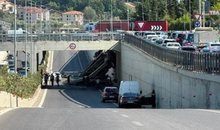




Real Madrid launches attack for Rodri
2026-07-22 15:35:40
Facebook, Instagram and Messenger out of service for many users!
2026-07-22 15:25:54


Guardiola in talks to coach Italy
2026-07-22 14:34:55

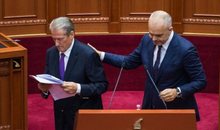

Academician Emin Riza, prominent researcher of cultural heritage, passes away
2026-07-22 13:41:12
Summer depression: Why do some people feel worse in the hot months?
2026-07-22 13:31:44
All vessels in Saranda are prohibited from going to sea.
2026-07-22 13:20:54
Bad weather in Saranda, a fisherman is found dead at sea
2026-07-22 13:13:00
This is the policeman from Kosovo who allegedly committed suicide in Kukës
2026-07-22 13:02:54


Hegseth: War with Iran has cost the US $37.5 billion
2026-07-22 12:10:00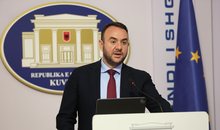

Kontroll në burgun e Drenovës, Laert Haxhiut i gjendet telefon në qeli
2026-07-22 11:40:28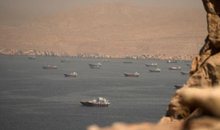
Could the US-Iran battle for Hormuz be a victory for Russia and China?
2026-07-22 11:26:48

Albania: a development model based on money laundering?
2026-07-22 10:56:56
After the "Cuban Package", Rama in Theth with the "Mountain Package"
2026-07-22 10:56:00

Euromoney crowns Credins bank as “Best Bank for Corporate Responsibility 2026”
2026-07-22 10:32:23
Kukës/ A police officer from Prizren is found without signs of life
2026-07-22 10:24:06