 Flash News
EU calls for repeal, government paves way for privatization of protected areas
Tear gas and pepper spray, 17 people end up in hospital
Lushnje/ Suspected of raping a 27-year-old woman with mental health problems, 42-year-old wanted
Photo/ Citizens 'armed' with eggs and tomatoes, facing the state that attacks them with pepper spray and tear gas
Berisha releases video, socialists "trapped" inside Parliament
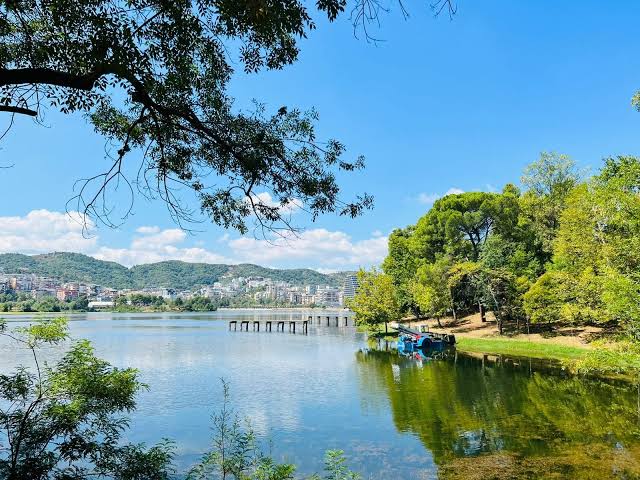
In October last year, a monitoring by the H2H Foundation found that in 14 water bodies in Albania, microbiological and chemical pollution was widespread throughout almost the entire water system, from drinking water reservoirs to recreational lakes and the coast, as a result of untreated water, agricultural runoff and ongoing failures in institutional management.
Almost a year later, new monitoring shows that the situation has not improved. On the contrary, five of the country's most important basins, the Artificial Lake of Tirana, Bovilla, Farka, Belshi and Hidrovori i Hamallaj, are experiencing the same problems: bacteriological pollution, pressure from urban and agricultural activity, and protective measures that have not kept pace with environmental degradation.
The report recommends the same measures almost everywhere: more frequent monitoring, wastewater treatment, agricultural pollution control, and specific management plans. The very repetition of these recommendations shows that the problem is not local, but systemic.
Tirana's Artificial Lake polluted with feces
Nowhere is this picture more evident than at Tirana's Artificial Lake, one of the most frequented public spaces in the country.
Every day, thousands of citizens walk, run, or spend time near water. But laboratory analyses reveal a reality that is not visible to the naked eye.
At the two monitoring points, the level of E. coli bacteria, one of the main indicators of faecal pollution, reaches 1,200 and 3,400 units per 100 milliliters of water, several times above the averages accepted by EU Directives. Turbidity ranges from 60.7 to 106 NTU, while nitrates reach up to 240 mg/l, indicators related to the impact of human activity.
According to him, the high presence of E. coli does not mean that the lake should be closed, but it is a signal that requires more frequent monitoring and better public information.
"The goal is not to create panic, but for citizens to know what the risk may be and how to protect themselves. When E. coli levels are high, they can signal the presence of other microorganisms that pose a risk, especially for children and the most sensitive people," says H2H Foundation expert Erjon Kalaja.
The report warns that exposure to water with high bacterial loads is much greater than its appearance suggests. For a space where families and children spend time every day, this means that the perception of safety does not necessarily match the actual quality of the water.
Bovilla, the capital's drinking water source under pressure
Rezervuari i Bovillës furnizon pjesën më të madhe të Tiranës me ujë të pijshëm dhe nuk konsiderohet një zonë në krizë. Megjithatë, monitorimi identifikon shenja që tregojnë rritje të problemeve në pellgun ujëmbledhës.
Në njërën nga dy pikat e monitorimit u konstatuan E. coli, baktere koliforme dhe nivele më të larta të turbullirës, nitrateve dhe kalciumit krahasuar me pikën tjetër, duke shtuar se cilësia e ujit nuk është e njëjtë në të gjithë rezervuarin dhe se disa zona janë më të ekspozuara ndaj burimeve të ndotjes.
Aktualisht, impianti i trajtimit vazhdon ta bëjë ujin të sigurt për konsum. Megjithatë, raporti paralajmëron se rritja e ngarkesës mikrobiologjike e bën procesin e trajtimit më kompleks dhe rrit presionin mbi sistemin.
Kalaja thekson se gjetjet nuk janë arsye për shqetësim për ujin që del nga rubinetat, por sinjal se vetë rezervuari duhet mbrojtur më mirë.
“Mesazhi kryesor nuk është se uji i pijshëm është i pasigurt. Sa më e madhe të jetë ndotja në burim, aq më e lartë bëhet ngarkesa mbi impiantin dhe aq më shumë rriten kostot e trajtimit. Monitorimi duhet parë si mjet parandalues.”
Në vitet e fundit është shtuar edhe aktiviteti rekreativ përreth Bovillës. Vizitorët, automjetet “off-road”, mungesa e brezave mbrojtës dhe kontrolli i kufizuar i territorit po ushtrojnë presion mbi një rezervuar me rëndësi jetike për kryeqytetin.
Për këtë arsye, ekspertët rekomandojnë krijimin e zonave mbrojtëse, monitorim më të shpeshtë të cilësisë së ujit dhe identifikimin e burimeve konkrete të ndotjes përpara se situata të përkeqësohet.
Farka dhe Belshi sërisht me probleme
Monitorimi i Liqenit të Farkës tregon se ndotja mund të ndryshojë ndjeshëm edhe brenda të njëjtit liqen. E. coli rritet nga 200 në 1.400 njësi për 100 ml, ndërsa koliformet totale nga 1.500 në 7.000. Për fermerët që përdorin ujin për ujitje, kjo do të thotë se cilësia mund të ndryshojë ndjeshëm brenda pak qindra metrash. Për vizitorët, ndërkohë, një liqen që duket i pastër mund të fshehë një ngarkesë të lartë bakteriale.
Belshi paraqet një situatë të ndryshme, por jo më pak shqetësuese. Shumica e parametrave fiziko-kimikë rezultojnë brenda kufijve të pranueshëm, por analizat identifikojnë kalcium të lartë, kalium mbi normë dhe koliforme totale deri në 700 njësi për 100 ml, edhe pse E. coli nuk u evidentua.
Liqeni i Tafanëve, ku pothuajse çdo tregues ngre alarm
Nëse një trup ujor përmbledh shumicën e problematikave të evidentuara nga monitorimi në zonat e ndryshme të Shqipërisë, ai është Liqeni i Tafanëve.
Analizat identifikojnë një kombinim të gjerë treguesish problematikë: pH alkalin, turbullirë të lartë, oksigjen të tretur më të ulët në njërën pikë të monitorimit, si dhe përqendrime të larta të kalciumit, nitrateve dhe kaliumit. Edhe ngarkesa mikrobiologjike është e konsiderueshme. Mostrat identifikuan E. coli në nivele prej 2.900 dhe 1.000 njësi për 100 mililitra, koliforme totale deri në 15.000 njësi, si dhe enterokokë në 300 dhe 600 njësi.
Experts identify multiple sources of pollution operating in parallel and recommend an integrated approach that simultaneously addresses sanitation, agricultural activity, and land management.
According to Kalaja, the large differences between monitoring points indicate that the pollution is not uniformly distributed.
"The main pressure comes from rapid development near the coast, while sewerage and wastewater treatment have not kept pace."
Hamallaj, where pollution ends up in the sea
The story doesn't end at the lakes. At the Hamallaj Dam, where the drainage waters flow into the Adriatic, monitoring shows that the pollution accumulated inland continues its path towards the coast.
The monitoring identified a point where urban, agricultural and, in some cases, industrial pressures converge. Analyses reveal bacteriological contamination, the presence of oils and fats, as well as other indicators that signal the impact of discharges reaching this area through the drainage canal network.
However, Kalaja emphasizes that the monitoring does not justify alarm about the quality of the beach.
"From the available data, the situation is not considered critical and the beach is categorized as good quality according to European standards. The findings are a signal for more careful monitoring of discharges, not for panic."
Although the monitoring included water bodies with different characteristics, the conclusion is the same: pollution is not related to a single lake or canal, but to the way water resources are managed in Albania.
In almost every case, the report identifies the same factors: untreated wastewater, runoff from agricultural activity, urbanization without the necessary infrastructure, and insufficient monitoring. For this reason, the recommendations are almost identical for each monitored basin: expanded monitoring, treatment of wastewater before discharge, stricter control of pollution from agriculture, and specific management plans.
The very repetition of these recommendations from one report to another suggests that the problems have long been recognized, but implementation of measures remains limited.
Many institutions, few responsibilities
Experts do not attribute responsibility to a single institution. They emphasize that protecting water resources requires the cooperation of municipalities, the Water Resources Management Agency (WRMA), the National Environment Agency (NEA), the Institute of Public Health (IPH), drainage structures, and local communities.
But this long list of institutions highlights another problem: responsibilities are dispersed, while coordination remains weak.
Pollution is often identified, but its sources are not systematically addressed. It is also highlighted that some of the monitored water bodies have not been part of the national monitoring program until recently, which raises questions about other areas that may not be monitored regularly./acqj.al
Latest news

From Bovilla to the Adriatic: Polluted waters everywhere!
2026-07-23 14:45:02
Core inflation reaches highest level since 2023
2026-07-23 14:31:22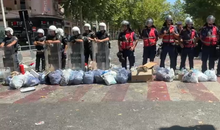
"Don't protect the trash", the protesters' symbolic message to the Police
2026-07-23 14:21:49
European Union fines Google $1 billion
2026-07-23 14:11:18

EU calls for repeal, government paves way for privatization of protected areas
2026-07-23 13:21:00
Protesters pelt Interior Minister Besfort Lamallari with eggs
2026-07-23 13:28:00
Tear gas and pepper spray, 17 people end up in hospital
2026-07-23 13:06:10
The opposition blocks the podium, the plenary session is interrupted
2026-07-23 12:52:00
Berisha condemns Balla's characterization of protesters as "terrorists"
2026-07-23 12:42:00

Zhupa-Vengut: Where are the two planes for the fires?
2026-07-23 12:29:53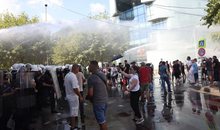
Eggs thrown during protest, police escort 5 citizens
2026-07-23 12:20:00
Tabaku sfidon deputetët socialistë që të përballen me qytetarët në protestë
2026-07-23 12:10:23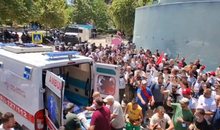
Citizen loses consciousness during protest, taken to hospital by ambulance
2026-07-23 12:03:53
"Crime MP", protesters 'ambush' Sara Mila
2026-07-23 11:46:05

Emërohet shefi i ri i Komisariatit të Vlorës
2026-07-23 11:17:08

"Associated Press" reports live the protest in front of the Parliament
2026-07-23 10:53:49
Agron Shehaj clashes with the Guard, is not allowed to enter the session
2026-07-23 10:43:00
Berisha releases video, socialists "trapped" inside Parliament
2026-07-23 10:26:00
Dy fjalë për një kryeministër, malet e larta dhe burrat e nënshtruar
2026-07-23 10:26:51
Protesters pelt Iris Luarasi's car with eggs
2026-07-23 10:13:56

Photo/ Police drag an elderly man
2026-07-23 09:54:00
The situation escalates, police throw pepper spray and tear gas at protesters
2026-07-23 09:40:00
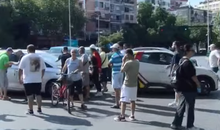
Protesters block Elbasan road, clash with drivers
2026-07-23 09:24:00
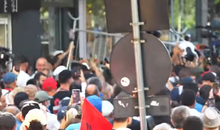
Protesters break through metal fence, clash with officers
2026-07-23 09:07:00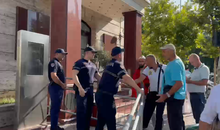


Horoskopi, njihuni me parashikimin e yjeve
2026-07-23 08:16:58
Outside revolt, inside session: Parliament closes session amid citizen protest
2026-07-23 08:03:00
Clear skies and clouds, the weather forecast for this Thursday
2026-07-23 07:54:00
The price of diesel increases by 8 lek, reaching 206 lek per liter
2026-07-22 22:58:00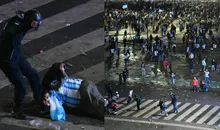
Chaos in Buenos Aires after Argentina's loss, fans clash with police
2026-07-22 22:45:25

"Without youth, there is no Albania", protesters close the 53rd day of revolt
2026-07-22 22:01:03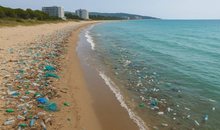
Edi Rama's hypocrisy with tourism
2026-07-22 21:38:40

Citizen in protest: Albanians have been stabbed in the gut, we demand change
2026-07-22 20:48:47

Protest enters eighth week, citizens demand Rama's resignation
2026-07-22 19:41:00
Tragedy near TEG, second person in concrete batching plant dies
2026-07-22 19:14:00

Did the reinvestment of profits influence the "Glorious Uprising" of the lek?
2026-07-22 18:40:58
Storm destroys roof of 12-story building in Saranda, four families homeless
2026-07-22 17:30:00
Concrete mixer falls from height onto TEG roundabout, one victim and one injured
2026-07-22 17:01:00




Real Madrid launches attack for Rodri
2026-07-22 15:35:40
Facebook, Instagram and Messenger out of service for many users!
2026-07-22 15:25:54


Guardiola in talks to coach Italy
2026-07-22 14:34:55



Academician Emin Riza, prominent researcher of cultural heritage, passes away
2026-07-22 13:41:12
Summer depression: Why do some people feel worse in the hot months?
2026-07-22 13:31:44
All vessels in Saranda are prohibited from going to sea.
2026-07-22 13:20:54
Bad weather in Saranda, a fisherman is found dead at sea
2026-07-22 13:13:00
This is the policeman from Kosovo who allegedly committed suicide in Kukës
2026-07-22 13:02:54


Hegseth: War with Iran has cost the US $37.5 billion
2026-07-22 12:10:00

Kontroll në burgun e Drenovës, Laert Haxhiut i gjendet telefon në qeli
2026-07-22 11:40:28
Could the US-Iran battle for Hormuz be a victory for Russia and China?
2026-07-22 11:26:48

Albania: a development model based on money laundering?
2026-07-22 10:56:56
After the "Cuban Package", Rama in Theth with the "Mountain Package"
2026-07-22 10:56:00

Euromoney crowns Credins bank as “Best Bank for Corporate Responsibility 2026”
2026-07-22 10:32:23
Kukës/ A police officer from Prizren is found without signs of life
2026-07-22 10:24:06