 Flash News
Conflict in Durrës, the weapon of the officer suspected of being associated with Denis Tafili is seized
Morning Post/ In 2 lines: What mattered yesterday in Albania
The balance in Roskovec is getting heavier, Refit Buzi's ex-mother-in-law also passes away
Mother of autistic boy responds to Rama: Don't use my son! I wasn't protesting, I was taking him to therapy
Refit Buzi killed his ex-father-in-law and seriously injured his ex-mother-in-law, commits suicide
KTA: Floods caused 100 million dollars in losses in agriculture in 1 decade

Politiko
2026-07-25 14:24:13
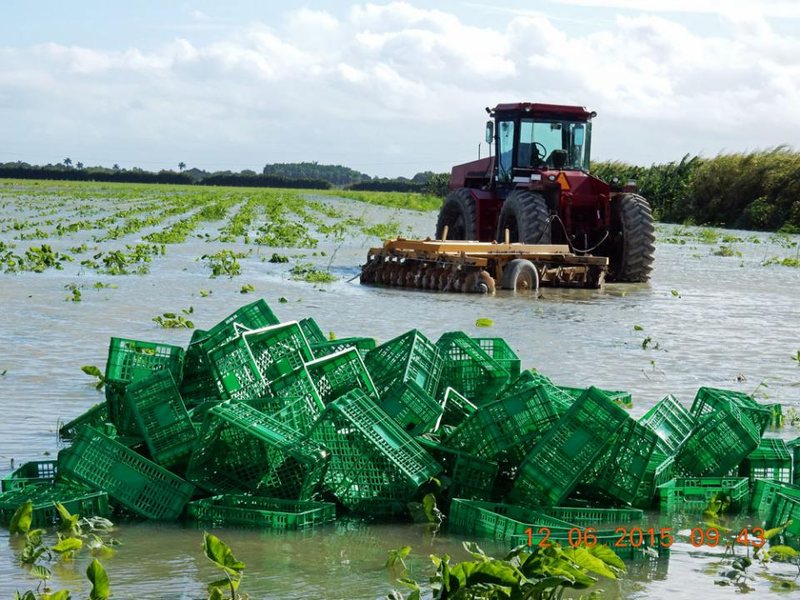
Less agricultural production, limited irrigation opportunities, and then frosts and sudden floods, which often recur mainly in winter. These are the risks that the Albanian economy is facing, just as a result of climate change, which are causing millions in damage.
According to a report by the National Environment Agency, the floods have so far caused about $100 million in losses in agriculture.
"As a result of these changes, many floods have been observed in the last decade. The greatest damage was caused in the northwest (Shkodra and Lezha regions). Based on estimates made by agricultural experts, the damage resulting from floods to agricultural production in these regions amounted to about 100 million US dollars," the report states.
According to the report, the natural phenomena of recent years, sometimes accompanied by floods and sometimes by numerous droughts, have influenced the reduction of agricultural production yields. Therefore, measures must be taken, the report states, because otherwise, economic damages could reach up to 1 billion dollars in the coming years.
"Under these conditions, taking into account the expected effects of climate change on agriculture, Albania's gross domestic product will potentially lose between 800 and 900 million US dollars in revenue from crop production by 2050," the report says.
Another concern raised in the report is the high use of pesticides, which according to the NEA has negatively affected agricultural production and soil quality. For this reason, it is emphasized that Albania must accelerate measures to meet the European Union's objective of at least 25% of agricultural land being used for organic farming by 2030.
“Albania’s statistical data on agricultural yield and production in recent decades suggest that the level of inputs (chemical fertilizers, high-quality seeds, pesticides) and the level of modernization (irrigation, harvesting technologies, etc.) have increased at very low rates compared to those in EU Member States. Despite Albania’s goal and expectations regarding the increase in the area under organic farming, the share of the total agricultural area used for organic farming between 2012 and 2022 was low. Measures are needed to achieve the EU policy objective of 25% of agricultural area being used for organic farming by 2030,” the report further states.
Also to limit the economic and environmental costs of climate change, the NEA recommends strengthening climate policies, improving monitoring and reporting systems, as well as increasing investments in renewable energy and climate adaptation measures.
Latest news


Coffee may help protect the liver from obesity
2026-07-25 14:58:00
KTA: Floods caused 100 million dollars in losses in agriculture in 1 decade
2026-07-25 14:24:13

The solar eclipse of August 12, the rare spectacle that will fascinate Europe
2026-07-25 13:51:15
Babo's Covenant and the Expulsion of Braça
2026-07-25 13:26:14

Do you have faith? What about institutions?
2026-07-25 12:56:42
Berisha: Rama ignored the protesters' demands
2026-07-25 12:30:00

Mashtronte klientët me servis automjetesh në Astir, arrestohet 37-vjeçari
2026-07-25 10:36:21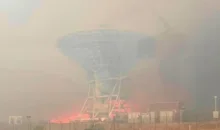
Fires near Madrid hit NASA facilities, space communications station evacuated
2026-07-25 10:21:36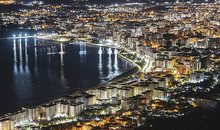
Noise "suffocates" cities, Vlora leads at night, Tirana and Saranda follow
2026-07-25 10:00:35

Horoskopi, zbuloni parashikimin e yjeve për shenjën tuaj
2026-07-25 08:43:31
Suspect arrested for murder of Italian journalist hiding in abandoned building
2026-07-25 08:37:06

Morning Post/ In 2 lines: What mattered yesterday in Albania
2026-07-25 08:04:15

After Rama's statements, GoFundMe for the Bulku family reaches $150,000
2026-07-24 20:58:29
Një sprint i fundit për investitorët para kufizimeve të BE-së?
2026-07-24 20:37:05
10 reasons why Prrenjas should not merge with Librazhd
2026-07-24 20:17:57
Not just the face and body, here are the areas we forget to protect from the sun
2026-07-24 20:01:11



The Assembly meets in plenary session on Monday
2026-07-24 18:51:19

Revolta vazhdon, qytetarët mblidhen për të 55-ën ditë në sheshin 'Skënderbej'
2026-07-24 18:10:00

9 në 10 europianë do ta konsideronin mundësinë e shpërnguljes jashtë vendit
2026-07-24 17:30:00


Republika Srpska lobbies with millions in the US for its independence
2026-07-24 16:21:00
Lightning strikes herd of cattle in Pogradec, 10 sheep and goats die
2026-07-24 16:15:00
"The Atlantic": Protestat nuk janë kundër Trump, shënjestra është Edi Rama
2026-07-24 15:54:06
Reforma territoriale 2.0 e PS: Bashkitë që rrezikojnë shkrirjen
2026-07-24 15:29:00
Dështojnë negociatat për t’u dorëzuar, Refit Buzi kërcënon me vetëv*asje
2026-07-24 15:16:00

RENEA in negotiations with Refit Buzin, the 35-year-old threatens suicide
2026-07-24 14:30:07
Strong storm and hail, Elbasan is affected by bad weather
2026-07-24 14:12:20


"They have 'parked' their face instead of their butt", who is Edi Rama with?
2026-07-24 13:22:24
Rama admits failure in healthcare: Elderly people queue up before sunrise
2026-07-24 13:01:53

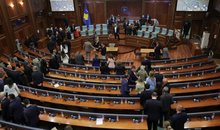
The constitutive session of the Kosovo Assembly is scheduled for August 6th.
2026-07-24 12:21:36

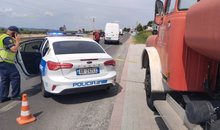
Accident on the Peqin-Elbasan segment, van hits pedestrian to death
2026-07-24 11:31:19







The killers of justice celebrate the tenth anniversary of the corpse
2026-07-24 09:13:17


With rain and clouds, what is the weather forecast for today?
2026-07-24 08:09:53
Morning Post/ In 2 lines: What mattered yesterday in Albania
2026-07-24 07:53:51
A fight with hard objects in Shëngjin, one person injured
2026-07-23 22:56:03
EU Ambassadors Visit Northern Kosovo: Rule of Law to Be Applied Equally
2026-07-23 22:41:44
Bushati: The protest aged the face of Rama's government
2026-07-23 22:15:28
Taxis take the place of citizens for free car charging in parking lots in Tirana
2026-07-23 21:55:06
Violence as a portrait of governance
2026-07-23 21:34:55
Former footballer criticizes Rama for protest: You surpass even Enver Hoxha
2026-07-23 21:18:47
Activist: The police protecting Rama and Balluku had received orders to shoot us
2026-07-23 20:57:25




Vacationer in Vlora injured by boat propellers, suspected of having cuts on leg
2026-07-23 18:21:00
Video/ Protesters 'wash' SP MP's car with eggs
2026-07-23 18:04:23
Fire continues to spread in the villages of Finiqi, firefighter injured
2026-07-23 17:48:02


The moment Bardhi throws water at Rama, Peleshi expels him from Parliament
2026-07-23 16:29:07


Rama në Kuvend, opozita bllokon foltoren, mazhoranca mbyll diskutimet
2026-07-23 15:42:56
Drones 'scan' Berat, hundreds of fines for traffic violations
2026-07-23 15:21:53
7 theft cases solved in Durrës, 29-year-old arrested
2026-07-23 15:07:51
From Bovilla to the Adriatic: Polluted waters everywhere!
2026-07-23 14:45:02
Core inflation reaches highest level since 2023
2026-07-23 14:31:22