 Flash News
VIDEO-scandal in Saranda/ Director of AMP Vlora and officials sexually harass tourists
"The New York Times" about Ye's concert: How Rama justifies the $4.5 million in funding
The suspected perpetrator of the murder in Laç is identified, he shot the 40-year-old 7 times near the palace
7 bullets on the doorstep, who is the 40-year-old with 4 surnames who was killed in Laç
Morning Post/ In 2 lines: What mattered yesterday in Albania
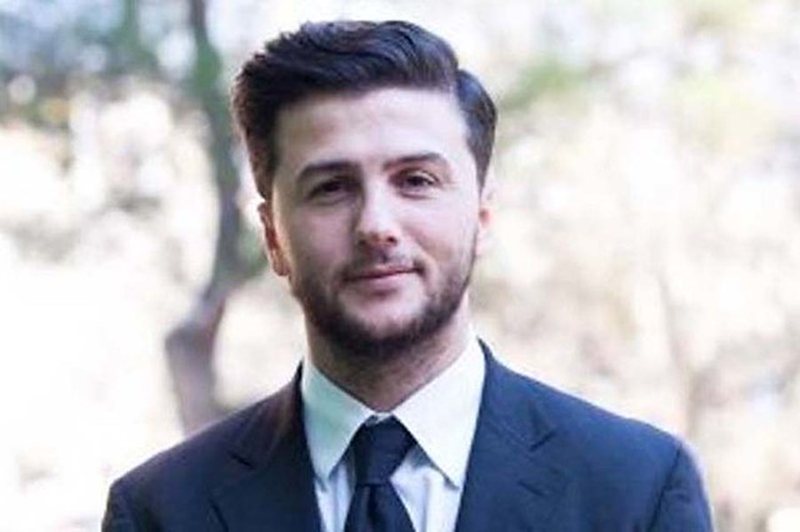
Gent Gaba
Government loyalists, with a certain perverse satisfaction, are now telling us that the parliamentary vote against SPAK’s request to lift Belinda Balluku’s immunity did not obstruct the IBAR process. And yet, both in the report itself and in the positions expressed by EU member states, it was made unmistakably clear that this very approach — which exposed Rama’s hypocrisy toward justice reform — remains a condition tied to the closing of negotiations.
In reality, the gamble being made by Rama and his circle is a gamble against Albania itself. It is the wager of a government that believes it can play roulette with European integration, place the public interest on the table, and buy time through parliamentary voting cards while leaving Albanians to pay the political cost. A malicious indulgence wrapped in the illusion of control: even though they fully understood the sensitivity of the act that effectively placed the former deputy prime minister above the law, they continue to defend that political disgrace with the stubbornness of the irrational, regardless of the consequences for the country.
Fortunately, however, the European Union’s willingness to give Albania a chance — also for geopolitical reasons — proved stronger than Rama’s willingness to obstruct integration. Because when faced with a choice between justice and political protection, he chose Belinda Balluku, himself, and impunity over integration.
Now the conditions are heavier, more concrete, and more political in the most European sense of the word: rule of law, genuine judicial independence, the fight against high-level corruption, functioning democratic institutions, elections free from pressure by patronage networks and partisan administration, free media, clean procurement procedures, control over money laundering, fair competition, and a public administration that serves citizens rather than the ruling party.
These conditions are not obstacles for Albania; they are levers for dismantling the electoral autocracy Rama has constructed under the mask of stability. Every European condition strikes at one pillar of this model: state capture, the use of public administration as an electoral machine, the transformation of Parliament into a notary of executive power, the political protection of the untouchables, the monopolization of public money, and pressure over public space itself.
The road ahead is therefore clear. Rama may continue buying time through parliamentary majorities at the expense of Albanians, but he cannot erase the meaning of that vote beneath clouds of propaganda. Sooner rather than later, he will face the political weight of that decision and the heavy conditionality imposed by the new phase into which the country has entered.
Germany’s position last night — particularly regarding immunity, once again concerning Balluku — deliberately delivered before the Rama–Kos press conference, resembled the mention of a rope in the house of a hanged man.
Fully aware of how that political performance would be marketed to an inattentive domestic audience as yet another “victory” for Rama, despite the challenges to the rule of law and the alarming level of corruption identified in the report under his rule, the Germans essentially told Albanians this: they will not make the Albanian people pay indefinitely for the mistakes of their government by leaving the country trapped in a permanent purgatory. But neither will they forget nor absolve Rama’s responsibilities. They have no intention of handing him the keys to Brussels with hands still stained by impunity.
Latest news
Heatwave hits Germany, over 5,400 heat-related deaths
2026-07-10 10:45:33
Land in "foreign hands"
2026-07-10 10:26:15
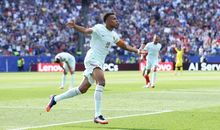
Mbappe the hero of France, the "Roosters" knock out Morocco in the quarterfinals
2026-07-10 09:54:33
Durrës/ 40-year-old man stabs his wife
2026-07-10 09:48:03
How much could the amount of drug money in the Albanian economy be?!
2026-07-10 09:08:34
Government reduces funds for farmers, increases ADF by 75 million euros
2026-07-10 08:55:46
Horoscope, get to know the star forecast
2026-07-10 08:32:54

Morning Post/ In 2 lines: What mattered yesterday in Albania
2026-07-10 07:52:04
A person was shot dead in Kurbin, first details
2026-07-09 22:54:48
Will the Police also stop those who criticize Rama online?
2026-07-09 21:57:02

FIFA decision shocks England, Quansah ruled out for two matches
2026-07-09 20:51:00
Protest/Pedagogue: 4 million euros for Kanye West is "the next concession"
2026-07-09 19:45:53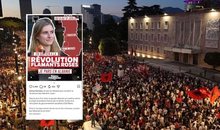
French MEP joins protests in Albania: Support for the "Pink Flamingo Revolution"
2026-07-09 19:28:07


Has the lek strengthened or overvalued?
2026-07-09 17:58:05
The trial on the merits for Ilir Meta and Monika Kryemadhi is postponed
2026-07-09 16:47:58

The match between England and Norway risks being postponed, this is the reason
2026-07-09 16:12:46
Murder in Shkodra/ Relatives: Peaceful family, no problems
2026-07-09 16:10:02
Kurti invites opposition leaders to a meeting to create new institutions
2026-07-09 15:43:05
This is the 62-year-old man who killed his wife in Shkodra
2026-07-09 15:01:43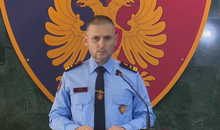

Domestic crime/ Wife killed with shotgun, perpetrator and victim identified
2026-07-09 14:05:18
Gunfire in Shkodra, one victim suspected
2026-07-09 13:49:41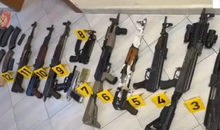
Weapons cache discovered in Fier, Prosecution sends 38-year-old to trial
2026-07-09 13:35:48
Bota e muzikës në zi, ndahet nga jeta në moshën 75-vjeçare ikona Bonnie Tyler
2026-07-09 12:56:29
Monika Kryemadhi in the Criminal Court: The cell phone was seized illegally
2026-07-09 12:45:54
VALEN MP reacts after border detention: Albania is no one's property
2026-07-09 12:15:44
Albanian gang in Belgium sentenced for trafficking 7 tons of cocaine
2026-07-09 12:01:14
Justin Bieber, Shakira and Madonna to perform at 2026 World Cup final
2026-07-09 11:52:54
Euro falls, inflation rises and domestic production loses ground
2026-07-09 11:39:36
Trial at the GJKKO, Meta's new lawyer appears in the session
2026-07-09 11:29:47
Nighttime accident in Gramsh, man and woman injured
2026-07-09 11:20:25
Meta seeks 134 witnesses, GJKKO delivers decision today
2026-07-09 10:56:54

At the peak of the production season, vegetable prices 'fly'
2026-07-09 10:21:14
The African heat returns, the thermometer reaches 40 degrees this weekend
2026-07-09 10:08:08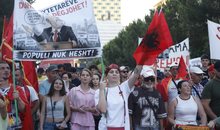
Opinions from 'anonymous' authors target Flamingo protests
2026-07-09 10:07:15
MEP Waitz: The law on protected areas endangers Albania's path to the EU
2026-07-09 09:52:55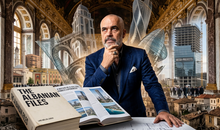
"Le Courrier des Balkans": Edi Rama and the megalomania of power
2026-07-09 09:40:26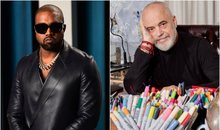
The economics of concerts, the prime minister's imaginary 100 million euros
2026-07-09 09:28:19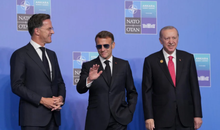
Erdogan's strange gift to NATO leaders
2026-07-09 09:11:15
Foreign exchange, the rate at which foreign currencies are sold and bought
2026-07-09 08:30:41
“Uniteti i jashtëzakonshëm” i NATO-s dhe mesazhet kryesore nga samiti në Turqi
2026-07-09 08:11:17
Horoskopi, njihuni me parashikim e yjeve
2026-07-09 07:46:15
Alternime kthjellimesh e vranësirash, parashikimi i motit
2026-07-09 07:25:59
Posta e mëngjesit/ Me 2 rreshta: Çfarë pati rëndësi dje në Shqipëri
2026-07-09 07:02:12

Rama brings West in Tirana, using Eastern premises
2026-07-08 20:41:42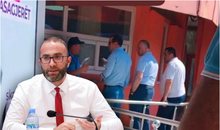
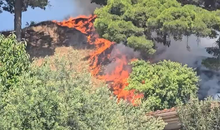
Fire on Kuzum Baba hill in Vlora, flames endanger homes and Tekke
2026-07-08 18:09:45

Shqipëria po plaket, qeveria pa plan
2026-07-08 15:57:26