 Flash News
VIDEO-scandal in Saranda/ Director of AMP Vlora and officials sexually harass tourists
"The New York Times" about Ye's concert: How Rama justifies the $4.5 million in funding
The suspected perpetrator of the murder in Laç is identified, he shot the 40-year-old 7 times near the palace
7 bullets on the doorstep, who is the 40-year-old with 4 surnames who was killed in Laç
Morning Post/ In 2 lines: What mattered yesterday in Albania
The Face of Albania's “New Justice”: How One Judge Became Its Ruin

Politiko
2026-01-20 17:22:43
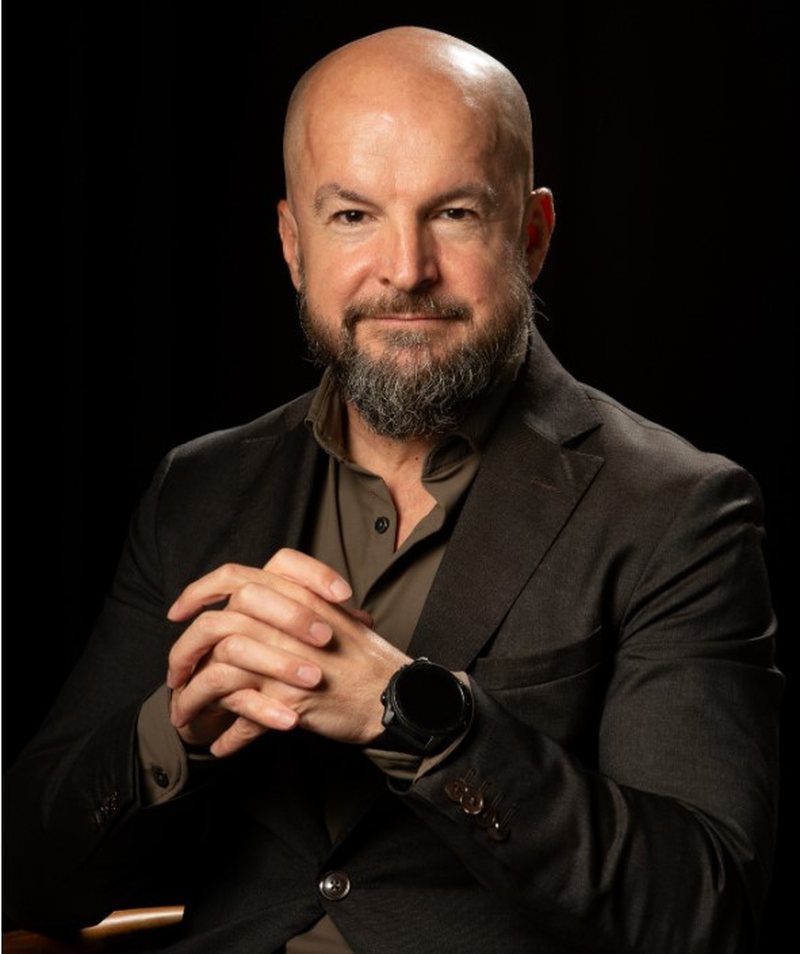
Alfred Lela
Some people carry a predisposition toward evil in their features; in their eyes, you can constantly glimpse the leering wink of malice and concealed intent.
That is the impression one gets from a portrait assembled from the photographs circulating in the media: the haste of someone who believes that only by fleeing can they hide; a wild mane of hair like that of the Erinyes who pursued matricides; the facial expression of someone who knows she holds something in her hand—and knows equally well that the hand is not truly hers.
With the retributive appearance of a troll out of Scandinavian legend, Irena Gjoka has been the judiciary’s “ready-at-hand” judge in every criminal case brought against figures of the opposition—starting with the highest-profile among them, Sali Berisha.
This lottery-like “coincidence” of assignments, more than anything else, cast suspicion not only on her, but also on the one spinning the wheel.
The opposition’s narrative—that the woman in question was in a conflict of interest, that she had passed vetting through violations and with “intervention from above”—was dismissed by the government’s trumpeters as an “attack on the new justice.” Articles from Greek newspapers were portrayed as incursions by the Greek right into sacred Illyrian territory, as Athens’ political elite’s jealousy of the regional and global star Edi Rama, along with other delusions of those who, possessing the present, believe they can also purchase the past—their own and that of their servants.
Irena Gjoka was not seen, classified, or debated as a judge of the Republic, but as an adversary and anathema to Sali Berisha: the woman destined to bring down, with thunderous force, the historic leader of the Albanian right, while reinstating a leftist narrative that sought to explain every Albanian failure through the name of the man who had ended a system that itself had reached the terminal point of failure.
Irena became the anti-Berisha totem—the symbol of a “new justice” that was finally working; of a “new Albania” where, at last, impunity was sinking to make room for the era of “blessed be whoever lives to see it, madam!”
The documented resistance of the opposition, international reports and resolutions, and the open violations committed by segments of the so-called new justice were relativized by the Prime Minister and amplified by the regime’s buglers, until—through relentless repetition—they were either emptied of meaning or reduced to complaints told too late to matter.
This chronology of events and this context help us understand why the findings of the General Prosecutor’s Office—that Irena Gjoka concealed a criminal conviction in Greece on her declaration form—constitute more than a personal disgrace. Just as exposed and stigmatized by this conclusion should be the entire network of government propagandists.
This is a collective humiliation, a shared vice, a public immorality—an epic shkërdhatocracy of “intellectuals of both the stick and the rope,” who for years have exerted pressure not from moral height, but from position; not from superiority, but from calculation.
They may now take the totem of the judge with three surnames and use it to plug every hole in their web of lies.
The face of the “new justice” today is nothing more than the caricature of a troll from Scandinavian mythology—one that Nordic parents once used, for centuries, to frighten children.
Latest news

Heatwave hits Germany, over 5,400 heat-related deaths
2026-07-10 10:45:33

Land in "foreign hands"
2026-07-10 10:26:15

Mbappe the hero of France, the "Roosters" knock out Morocco in the quarterfinals
2026-07-10 09:54:33
Durrës/ 40-year-old man stabs his wife
2026-07-10 09:48:03



How much could the amount of drug money in the Albanian economy be?!
2026-07-10 09:08:34
Government reduces funds for farmers, increases ADF by 75 million euros
2026-07-10 08:55:46
Horoscope, get to know the star forecast
2026-07-10 08:32:54

Morning Post/ In 2 lines: What mattered yesterday in Albania
2026-07-10 07:52:04
A person was shot dead in Kurbin, first details
2026-07-09 22:54:48


Will the Police also stop those who criticize Rama online?
2026-07-09 21:57:02


FIFA decision shocks England, Quansah ruled out for two matches
2026-07-09 20:51:00

Protest/Pedagogue: 4 million euros for Kanye West is "the next concession"
2026-07-09 19:45:53
French MEP joins protests in Albania: Support for the "Pink Flamingo Revolution"
2026-07-09 19:28:07


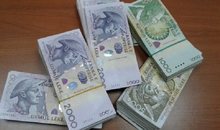
Has the lek strengthened or overvalued?
2026-07-09 17:58:05

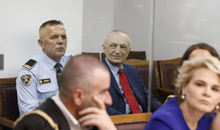
The trial on the merits for Ilir Meta and Monika Kryemadhi is postponed
2026-07-09 16:47:58

The match between England and Norway risks being postponed, this is the reason
2026-07-09 16:12:46
Murder in Shkodra/ Relatives: Peaceful family, no problems
2026-07-09 16:10:02
Kurti invites opposition leaders to a meeting to create new institutions
2026-07-09 15:43:05

This is the 62-year-old man who killed his wife in Shkodra
2026-07-09 15:01:43

Domestic crime/ Wife killed with shotgun, perpetrator and victim identified
2026-07-09 14:05:18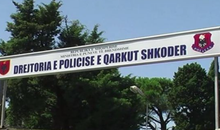
Gunfire in Shkodra, one victim suspected
2026-07-09 13:49:41
Weapons cache discovered in Fier, Prosecution sends 38-year-old to trial
2026-07-09 13:35:48

Bota e muzikës në zi, ndahet nga jeta në moshën 75-vjeçare ikona Bonnie Tyler
2026-07-09 12:56:29
Monika Kryemadhi in the Criminal Court: The cell phone was seized illegally
2026-07-09 12:45:54

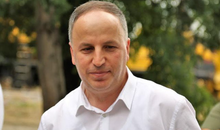
VALEN MP reacts after border detention: Albania is no one's property
2026-07-09 12:15:44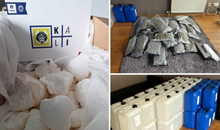
Albanian gang in Belgium sentenced for trafficking 7 tons of cocaine
2026-07-09 12:01:14
Justin Bieber, Shakira and Madonna to perform at 2026 World Cup final
2026-07-09 11:52:54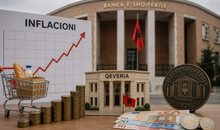
Euro falls, inflation rises and domestic production loses ground
2026-07-09 11:39:36
Trial at the GJKKO, Meta's new lawyer appears in the session
2026-07-09 11:29:47
Nighttime accident in Gramsh, man and woman injured
2026-07-09 11:20:25
Meta seeks 134 witnesses, GJKKO delivers decision today
2026-07-09 10:56:54


At the peak of the production season, vegetable prices 'fly'
2026-07-09 10:21:14
The African heat returns, the thermometer reaches 40 degrees this weekend
2026-07-09 10:08:08
Opinions from 'anonymous' authors target Flamingo protests
2026-07-09 10:07:15
MEP Waitz: The law on protected areas endangers Albania's path to the EU
2026-07-09 09:52:55
"Le Courrier des Balkans": Edi Rama and the megalomania of power
2026-07-09 09:40:26
The economics of concerts, the prime minister's imaginary 100 million euros
2026-07-09 09:28:19
Erdogan's strange gift to NATO leaders
2026-07-09 09:11:15

Foreign exchange, the rate at which foreign currencies are sold and bought
2026-07-09 08:30:41
“Uniteti i jashtëzakonshëm” i NATO-s dhe mesazhet kryesore nga samiti në Turqi
2026-07-09 08:11:17

Horoskopi, njihuni me parashikim e yjeve
2026-07-09 07:46:15
Alternime kthjellimesh e vranësirash, parashikimi i motit
2026-07-09 07:25:59
Posta e mëngjesit/ Me 2 rreshta: Çfarë pati rëndësi dje në Shqipëri
2026-07-09 07:02:12





Rama brings West in Tirana, using Eastern premises
2026-07-08 20:41:42



Fire on Kuzum Baba hill in Vlora, flames endanger homes and Tekke
2026-07-08 18:09:45

Shqipëria po plaket, qeveria pa plan
2026-07-08 15:57:26