 Flash News
VIDEO-scandal in Saranda/ Director of AMP Vlora and officials sexually harass tourists
"The New York Times" about Ye's concert: How Rama justifies the $4.5 million in funding
The suspected perpetrator of the murder in Laç is identified, he shot the 40-year-old 7 times near the palace
7 bullets on the doorstep, who is the 40-year-old with 4 surnames who was killed in Laç
Morning Post/ In 2 lines: What mattered yesterday in Albania
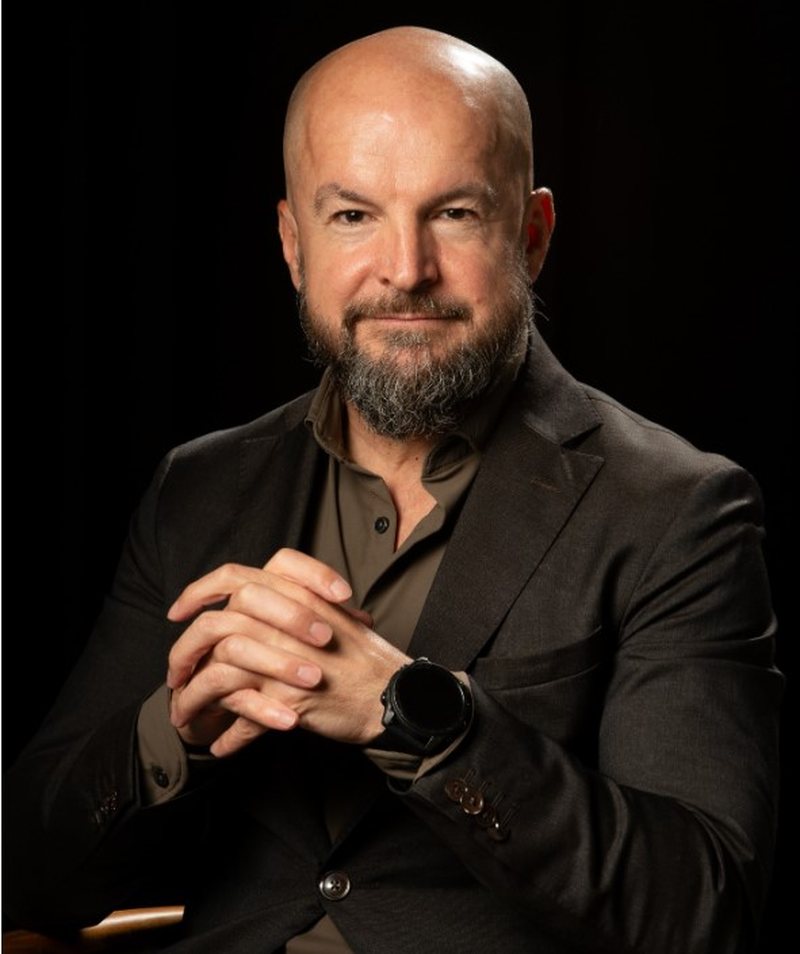
Alfred Lela
In the meeting hall of the Socialist Party’s parliamentary group today, the old shadow of the Central Committee of the Party of Labour of Albania had fallen once again. Anyone who has seen footage of Enver Hoxha presiding over the final meetings of the Central Committee could not fail to notice that the dictator’s complexion was crossed by an ominous gray — a foreboding shade, a sign of doom rising from the depths of a future without a future and from a past filled with shadows and ghosts.
The same shadow seemed to have enveloped Edi Rama today. A gray fog and portent — the kind Kadare or Shakespeare deepen in their Elsinorean atmospheres — a cold, cracked marble sarcophagus, a statue rolling its mechanical eyes like a mythological owl, an expensive suit from which the body had escaped in search of freedom, a Cheops speaking to mummies dead while still alive. For nothing more than decomposed bodies of ideas and spirits were his MPs today.
In that fair of dead souls, the Albania of Year Zero paraded today — the Albania that Edi Rama had launched with dynamite and “you haven’t seen anything yet,” blowing up apartment blocks, the destinies of political opponents, and even the fates of the unfortunate who died in prison for an unpaid electricity bill. And upon those ruins, the Edi-who-once-dazzled-Paris erected hundreds of towers of a dictatorial grimace, of his own Putinist art deco.
It always takes Literature to explain events like today’s meeting in the Central Committee of the Brigants of the “Renaissance,” chaired by Edi Rama. Political analysis cannot grasp the full irrational totality that inspires madness. In the animal farm where all are equal — but some are more equal than others — what is required is an Orwellian projection more than a Churchillian solution.
It is both fantastic and terrifying at the same time to witness how Edi Rama, much like Enver Hoxha before him, has entered the funereal phase of governance. A cold zone where death speaks and where all measurements are taken with its yardstick. This is not the death that comes with a scythe, but political death — whose shadow is even darker, whose stench is more suffocating, and which always begins with that gray of the communist terrifying polyester—time had poured it today across Edi Rama’s face like a cement shroud fallen from Charlie’s factories, polluting the outskirts of Fushë-Kruja.
In the Central Committee, no one is condemned anymore. The purge has already run its course with comrades Ilir, Vangjush, Sajmir, Lefter, Alqi, and a few others. Alas!
The mummies must not fall into the sleep of death. Whether the system collapses or survives, it demands new scapegoats. Some — but not all — are more equal than others. In this count, that criterion is fulfilled only by Edi and Bela.
Latest news
Heatwave hits Germany, over 5,400 heat-related deaths
2026-07-10 10:45:33
Land in "foreign hands"
2026-07-10 10:26:15
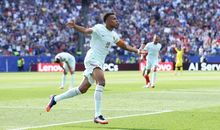
Mbappe the hero of France, the "Roosters" knock out Morocco in the quarterfinals
2026-07-10 09:54:33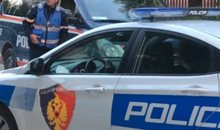
Durrës/ 40-year-old man stabs his wife
2026-07-10 09:48:03


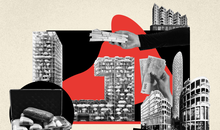
How much could the amount of drug money in the Albanian economy be?!
2026-07-10 09:08:34
Government reduces funds for farmers, increases ADF by 75 million euros
2026-07-10 08:55:46
Horoscope, get to know the star forecast
2026-07-10 08:32:54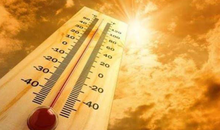

Morning Post/ In 2 lines: What mattered yesterday in Albania
2026-07-10 07:52:04
A person was shot dead in Kurbin, first details
2026-07-09 22:54:48


Will the Police also stop those who criticize Rama online?
2026-07-09 21:57:02


FIFA decision shocks England, Quansah ruled out for two matches
2026-07-09 20:51:00
Protest/Pedagogue: 4 million euros for Kanye West is "the next concession"
2026-07-09 19:45:53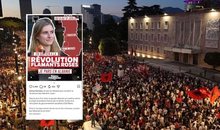
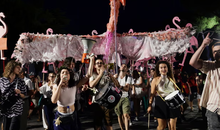
French MEP joins protests in Albania: Support for the "Pink Flamingo Revolution"
2026-07-09 19:28:07

Has the lek strengthened or overvalued?
2026-07-09 17:58:05
The trial on the merits for Ilir Meta and Monika Kryemadhi is postponed
2026-07-09 16:47:58
The match between England and Norway risks being postponed, this is the reason
2026-07-09 16:12:46
Murder in Shkodra/ Relatives: Peaceful family, no problems
2026-07-09 16:10:02
Kurti invites opposition leaders to a meeting to create new institutions
2026-07-09 15:43:05

This is the 62-year-old man who killed his wife in Shkodra
2026-07-09 15:01:43

Domestic crime/ Wife killed with shotgun, perpetrator and victim identified
2026-07-09 14:05:18
Gunfire in Shkodra, one victim suspected
2026-07-09 13:49:41
Weapons cache discovered in Fier, Prosecution sends 38-year-old to trial
2026-07-09 13:35:48

Bota e muzikës në zi, ndahet nga jeta në moshën 75-vjeçare ikona Bonnie Tyler
2026-07-09 12:56:29
Monika Kryemadhi in the Criminal Court: The cell phone was seized illegally
2026-07-09 12:45:54
VALEN MP reacts after border detention: Albania is no one's property
2026-07-09 12:15:44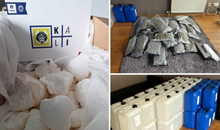
Albanian gang in Belgium sentenced for trafficking 7 tons of cocaine
2026-07-09 12:01:14
Justin Bieber, Shakira and Madonna to perform at 2026 World Cup final
2026-07-09 11:52:54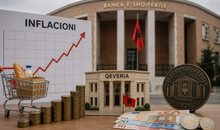
Euro falls, inflation rises and domestic production loses ground
2026-07-09 11:39:36
Trial at the GJKKO, Meta's new lawyer appears in the session
2026-07-09 11:29:47
Nighttime accident in Gramsh, man and woman injured
2026-07-09 11:20:25
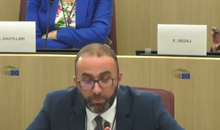
Meta seeks 134 witnesses, GJKKO delivers decision today
2026-07-09 10:56:54

At the peak of the production season, vegetable prices 'fly'
2026-07-09 10:21:14
The African heat returns, the thermometer reaches 40 degrees this weekend
2026-07-09 10:08:08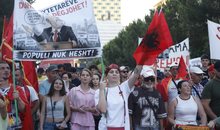
Opinions from 'anonymous' authors target Flamingo protests
2026-07-09 10:07:15
MEP Waitz: The law on protected areas endangers Albania's path to the EU
2026-07-09 09:52:55
"Le Courrier des Balkans": Edi Rama and the megalomania of power
2026-07-09 09:40:26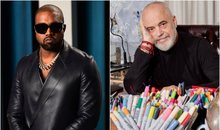
The economics of concerts, the prime minister's imaginary 100 million euros
2026-07-09 09:28:19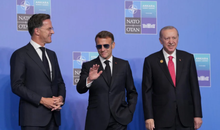
Erdogan's strange gift to NATO leaders
2026-07-09 09:11:15
Foreign exchange, the rate at which foreign currencies are sold and bought
2026-07-09 08:30:41
“Uniteti i jashtëzakonshëm” i NATO-s dhe mesazhet kryesore nga samiti në Turqi
2026-07-09 08:11:17
Horoskopi, njihuni me parashikim e yjeve
2026-07-09 07:46:15
Alternime kthjellimesh e vranësirash, parashikimi i motit
2026-07-09 07:25:59
Posta e mëngjesit/ Me 2 rreshta: Çfarë pati rëndësi dje në Shqipëri
2026-07-09 07:02:12



Rama brings West in Tirana, using Eastern premises
2026-07-08 20:41:42

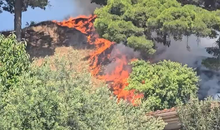
Fire on Kuzum Baba hill in Vlora, flames endanger homes and Tekke
2026-07-08 18:09:45

Shqipëria po plaket, qeveria pa plan
2026-07-08 15:57:26