 Flash News
Here are the years of imprisonment requested for Monika's mother
"Blackened eyes and pulled out hair"/ Father of the raped 17-year-old: Police took no action
Property alienation in Durrës/ Court confirms security measures for suspects
Details/ Murder of Eglant Koç, the perpetrator hid for 10 days in the Elbasan region
Erkin Lika's lifeless body found after falling into Mat River sinkhole
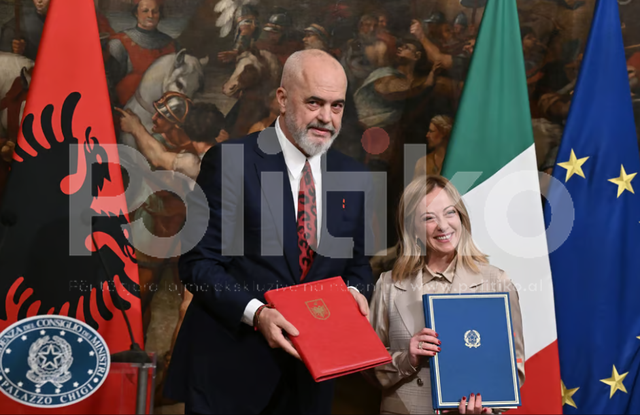
EU gives 'blessing' with conditions to Rama - Meloni agreement. How did the scheme end up in the doors of the Italian courts?

Politiko
2026-04-23 16:33:54
What happened?
The European Union has given a positive signal for the agreement between Italy and Albania on the treatment of migrants in Albania, considering it permissible in principle, but conditional on full respect for the rights of migrants.
The news, as Reuters reports , was announced by an adviser to the bloc's top court and was later welcomed by Prime Minister Giorgia Meloni, who considered it a "validation of a program that she had presented as a cornerstone of her tough approach to immigration."
context
The agreement, signed in 2023, foresees that migrants captured by Italian authorities will be sent to Albania, where their asylum applications will be processed.
This is the first scheme of its kind between an EU member state and a country outside the union, and has been promoted by Prime Minister Giorgia Meloni as a key element of her tough immigration policy.
Several other European countries are seeing this model as exportable, in an effort to curb migration flows.
Clashes in court
The battle in the Italian courts over the agreement signed by Rama and Meloni began when the Human Rights and Immigration Section of the Rome Tribunal refused to confirm the detention of the first 16 migrants transferred to Albania. The judges ruled that the migrants could not be detained in Albania because their countries of origin (Egypt and Bangladesh) could not be considered fully "safe" according to a recent ruling by the European Court of Justice (ECJ), forcing them to return to Italy.
In October 2024, the ECJ declared that a country can only be considered safe if security is uniformly guaranteed throughout its territory, rejecting Italy's list of safe countries that allowed for exceptions.
The Meloni government responded by adopting a new decree-law, transforming the list of "safe countries" into primary legislation instead of ministerial decree, aiming to bypass judicial review.
Despite the decree, Italian courts have continued to refer cases to the ECJ, questioning the validity of the list and the methods of the ban, leaving the agreement in a legal limbo. In 2025, the Rome Court of Appeals rejected the new ban orders, sending the case to Italy's highest court, which referred it back to the ECJ.
Opposition reactions
The signing of the agreement between the two governments was not welcomed by either the Italian or the Albanian opposition.
Riccardo Magi, kreu i partisë liberale italiane +Europa, tha se plani ishte "i frikshëm" dhe se qendrat do të ishin si "një lloj Guantanamo italiane".
Në një reagim në platformën “X”, ai e cilësoi marrëveshjen mes dy vendeve të paligjshme. "Është gjithashtu një marrëveshje e paligjshme: Italia nuk mund të dërgojë njerëz të shpëtuar në det në një vend jashtë BE-së, sikur të ishin pako ose mallra", shkroi Magi.
Sipas Elly Schlein, sekretare e Partisë Demokratike në Itali, marrëveshja duket se shkel rregullat e së drejtës ndërkombëtare dhe të drejtës evropiane. Ajo shprehu nevojën për të shqyrtuar më me kujdes protokollin.
Deputeti i Partisë Demokratike, Belind Këlliçi kritikoi mungesën e transparencës rreth marrëveshjes.
“Kjo është tradhti ndaj Shqipërisë dhe është pabesia më e madhe që Rama mund t’i bëjë vendit tonë. Antishqiptari më i madh sot quhet Edi Rama, i cili çdo vit dëbon qindra mijëra të rinj nga vendi për t'i zëvendësuar me emigrantë të paligjshëm”, shkroi Këlliçi në Facebook.
Andrea Costa, president i shoqatës së ndihmës emigrantëve me bazë në Romë, Baobab Experience, tha për BBC se njoftimi i kapi të gjithë në befasi dhe tregoi se politikat e qeverisë italiane të imigracionit po shkonin në drejtimin e gabuar.
Costa tha se qendrat rrezikonin të bëheshin "si një Lampeduza në brendësi të Shqipërisë", duke iu referuar ishullit italian që është një nga portet kryesore të mbërritjes për njerëzit që duan të arrijnë në Evropë.
Reagimet ndërkombëtare
Edhe organizatat ndërkombëtare kanë reaguar me kritika ndaj marrëveshjes, duke ngritur shqetësime për respektimin e të drejtave të njeriut.
UNHCR fillimisht deklaroi se nuk ishte e përfshirë apo e informuar për marrëveshjen, por më vonë pranoi të monitorojë zbatimin e protokollit Itali–Shqipëri, me synim “mbrojtjen dhe promovimin e të drejtave themelore të njeriut”. Megjithatë, agjencia ka paralajmëruar se skema mund të çojë në eksternalizimin e detyrimeve për azilin dhe zhvendosjen e përgjegjësisë, në kundërshtim me parimet e së drejtës ndërkombëtare.
International Rescue Committee (IRC) e ka cilësuar marrëveshjen si “të kushtueshme, mizore dhe kundërproduktive”, duke theksuar se ajo rrezikon jetët e njerëzve, cenon të drejtën për të kërkuar azil dhe mund të shtyjë refugjatët drejt rrugëve edhe më të rrezikshme.
Ndërkohë, Amnesty International e ka përshkruar marrëveshjen si një “eksperiment mizor”, duke argumentuar se ajo mund të shkelë të drejtën e azilit dhe parimin e moskthimit të detyruar (non-refoulement), një nga shtyllat kryesore të mbrojtjes ndërkombëtare të refugjatëve.
Rama – Meloni në një linjë për marrëveshjen
Pas ratifikimit të marrëveshjes në Kuvendin e Shqipërisë, kryeministrja italiane reagoi menjëherë me një postim në rrjete sociale. Meloni falënderoi mikun e saj, Rama, për miqësinë që sipas saj po tregonte me popullin italian.
"The Albanian Parliament approved today the cooperation agreement with Italy against illegal immigration and human trafficking. We thank Prime Minister Edi Rama, the institutions and the Albanian people for their friendship and cooperation ," the Italian Prime Minister wrote.
Rama himself has repeatedly described the signing of the agreement on television as an obligation towards Italy. "The agreement on migrants is unique and is based on the deep friendship between the two countries ," Rama declared.
Even, when asked if the establishment of the camps in Gjadra and Shëngjin had failed, Rama said: "I have no opinion on this and the question should be addressed to my Italian sister, that is, the sister of Italy, Georgia Meloni because for us, being part of this agreement is very simple, it is a very simple role. We were asked by Italy to help, and when Italy asks, we always help because our relationship is millennial." / Politiko.al
Latest news

Here are the years of imprisonment requested for Monika's mother
2026-07-13 14:09:46
EU appoints German diplomat as new special envoy for Kosovo
2026-07-13 13:55:29


Property alienation in Durrës/ Court confirms security measures for suspects
2026-07-13 13:25:00
70 people with poisoning symptoms in Pristina, 22 hospitalized
2026-07-13 13:16:00


Erkin Lika's lifeless body found after falling into Mat River sinkhole
2026-07-13 12:32:00
Over 500 babies named after Haaland after World Cup matches
2026-07-13 12:28:00
18 arrested in Spain, who is the Albanian known as 'Daci'?
2026-07-13 12:22:00
4.2 million euros for Kanye West, DP reports Rama and Gonxha to SPAK
2026-07-13 11:27:03



Heatwave hits Germany, over 5,400 heat-related deaths
2026-07-10 10:45:33

Land in "foreign hands"
2026-07-10 10:26:15

Mbappe the hero of France, the "Roosters" knock out Morocco in the quarterfinals
2026-07-10 09:54:33
Durrës/ 40-year-old man stabs his wife
2026-07-10 09:48:03



How much could the amount of drug money in the Albanian economy be?!
2026-07-10 09:08:34
Government reduces funds for farmers, increases ADF by 75 million euros
2026-07-10 08:55:46
Horoscope, get to know the star forecast
2026-07-10 08:32:54

Morning Post/ In 2 lines: What mattered yesterday in Albania
2026-07-10 07:52:04
A person was shot dead in Kurbin, first details
2026-07-09 22:54:48


Will the Police also stop those who criticize Rama online?
2026-07-09 21:57:02


FIFA decision shocks England, Quansah ruled out for two matches
2026-07-09 20:51:00
Protest/Pedagogue: 4 million euros for Kanye West is "the next concession"
2026-07-09 19:45:53
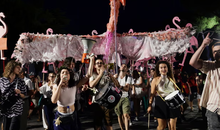
French MEP joins protests in Albania: Support for the "Pink Flamingo Revolution"
2026-07-09 19:28:07



Has the lek strengthened or overvalued?
2026-07-09 17:58:05

The trial on the merits for Ilir Meta and Monika Kryemadhi is postponed
2026-07-09 16:47:58

The match between England and Norway risks being postponed, this is the reason
2026-07-09 16:12:46
Murder in Shkodra/ Relatives: Peaceful family, no problems
2026-07-09 16:10:02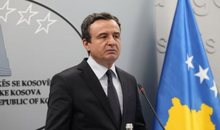
Kurti invites opposition leaders to a meeting to create new institutions
2026-07-09 15:43:05


This is the 62-year-old man who killed his wife in Shkodra
2026-07-09 15:01:43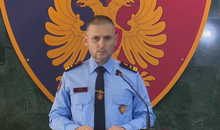

Domestic crime/ Wife killed with shotgun, perpetrator and victim identified
2026-07-09 14:05:18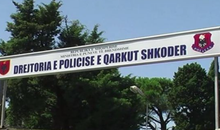
Gunfire in Shkodra, one victim suspected
2026-07-09 13:49:41
Weapons cache discovered in Fier, Prosecution sends 38-year-old to trial
2026-07-09 13:35:48

Bota e muzikës në zi, ndahet nga jeta në moshën 75-vjeçare ikona Bonnie Tyler
2026-07-09 12:56:29
Monika Kryemadhi in the Criminal Court: The cell phone was seized illegally
2026-07-09 12:45:54

VALEN MP reacts after border detention: Albania is no one's property
2026-07-09 12:15:44
Albanian gang in Belgium sentenced for trafficking 7 tons of cocaine
2026-07-09 12:01:14
Justin Bieber, Shakira and Madonna to perform at 2026 World Cup final
2026-07-09 11:52:54
Euro falls, inflation rises and domestic production loses ground
2026-07-09 11:39:36
Trial at the GJKKO, Meta's new lawyer appears in the session
2026-07-09 11:29:47
Nighttime accident in Gramsh, man and woman injured
2026-07-09 11:20:25
Meta seeks 134 witnesses, GJKKO delivers decision today
2026-07-09 10:56:54

At the peak of the production season, vegetable prices 'fly'
2026-07-09 10:21:14
The African heat returns, the thermometer reaches 40 degrees this weekend
2026-07-09 10:08:08
Opinions from 'anonymous' authors target Flamingo protests
2026-07-09 10:07:15
MEP Waitz: The law on protected areas endangers Albania's path to the EU
2026-07-09 09:52:55
"Le Courrier des Balkans": Edi Rama and the megalomania of power
2026-07-09 09:40:26
The economics of concerts, the prime minister's imaginary 100 million euros
2026-07-09 09:28:19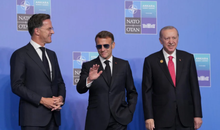
Erdogan's strange gift to NATO leaders
2026-07-09 09:11:15
Foreign exchange, the rate at which foreign currencies are sold and bought
2026-07-09 08:30:41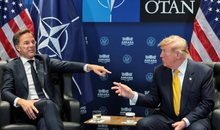
“Uniteti i jashtëzakonshëm” i NATO-s dhe mesazhet kryesore nga samiti në Turqi
2026-07-09 08:11:17

Horoskopi, njihuni me parashikim e yjeve
2026-07-09 07:46:15
Alternime kthjellimesh e vranësirash, parashikimi i motit
2026-07-09 07:25:59
Posta e mëngjesit/ Me 2 rreshta: Çfarë pati rëndësi dje në Shqipëri
2026-07-09 07:02:12