 Flash News
"La Roja" strikes first! Spain takes advantage over "The Roosters"
Police provide details from the accident in Cërrik: Two victims and one injured
Marta Kos i kërkon qeverisë shfuqizimin e ligjit për investimet strategjike: Të harmonizohet me standardet e BE-së
Tragic accident in Cërrik, two cars collide head-on, suspected victims
Protests against Rama, France24: Dua Lipa raises concerns about government transparency
The 'Çyrbja' case: Crime-politics symbiosis and the role in electoral corruption

Politiko
2025-02-03 10:23:07
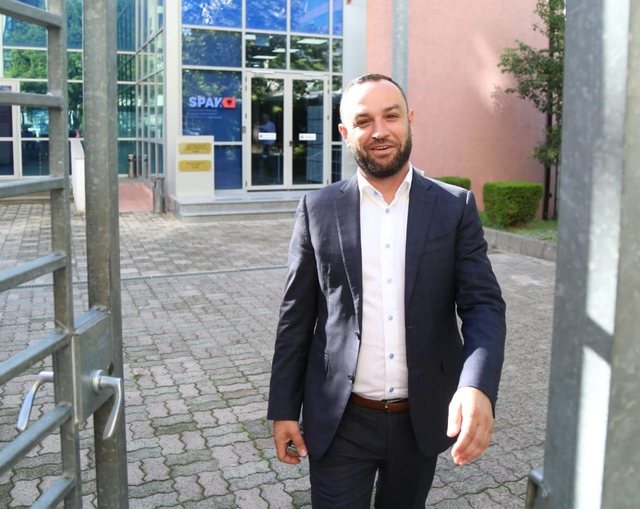
On the eve of the 2021 parliamentary elections, the Socialist Party candidate for the Shijak area, Jurgis Çyrbja, received a promise from a local crime boss through a conversation on the SKY ECC app that he would secure thousands of votes in his electoral area.
"I'll give you 3 thousand, my dear," Altin Hajri, owner of a luxury resort in Shijak, is quoted as having written to him. "We've blinded Gjepale."
The discovery of SKY ECC communications led to the arrest in October 2024 of Jurgis Çyrbje, after a decade of a turbulent career as head of local administration and two-term deputy of the Albanian Parliament.
According to the investigation data of the Special Prosecution Office, the Çyrbja case represents a typical example of the deep connections that exist between organized crime and politics in Albania, as well as the role of this symbiosis in the electoral process and in the field of law enforcement.
The Special Prosecution's investigations suggest that Çyrbja was an investment of organized crime in the safe list of Socialist Party candidates in the Durrës area - while he is accused of serving them with secret information on police operations or with assistance in cases when they had problems with law enforcement institutions.
As a result of these connections, Çyrbja is accused of "electoral corruption", as he is suspected of managing to mobilize members of organized crime to secure votes for the ruling Socialist Party.
The Çyrbja case is not isolated. Two previous Serious Crimes investigations, known as files 339 and 184, revealed the involvement of criminal groups in the 2017 parliamentary elections as well as the 2016 local by-elections in Debar in favor of the Socialist Party. However, the investigations were closed without any visible results.
'Through force and money'
On the eve of the parliamentary elections of May 11, 2025, the Special Prosecution Office declared that it has drafted a strategy for electoral crimes, taking a proactive role in preventing and investigating crimes related to electoral corruption, abuse of administration, or the involvement of organized crime.
The strategy also includes the establishment of an Election Task Force, with a central structure in SPAK and investigative groups in the field to cover electoral zones in Albania.
However, political observers and civil society representatives are concerned about the conduct of these elections, given the facts made public about the influence that organized crime groups exert on electoral processes.
Ervis Iljazaj, a lecturer in Political Science at the European University of Tirana, told BIRN that organized crime has become a worrying phenomenon for Albanian society, economy and politics. Their service to politics, according to Iljazaj, is linked to their engagement in electoral campaigns through “force or money”.
"It is no longer an opinion, but a fact that certain gangs in certain cities engage in collecting votes which then turn into favors that the government does them," said Iljazaj.
"The problem is that now their money does not only come from criminal activities, but through connections with politics they have entered the 'regular' economy, especially in the construction market," he added.
While assessing that the exact weight and role of organized crime in the final election result is difficult to determine, Iljazaj says that the Prosecution's investigations and data published in the media clearly show the impact.
"With the electoral system we have, a handful of votes can make the difference between winning a mandate or losing it. So, yes, in some cases it can be decisive, distorting the free will of the voters and popular sovereignty," he stressed.
For Gentjan Serjanin, leader of the organization "Social Justice", the role of organized crime goes as far as determining the members of Parliament and is "determinative of which party will be in power."
Serjani also emphasized that crime particularly affects vulnerable groups in society.
"Crime operates in securing votes through buying, threatening individuals who work for political opponents, as well as through financial support of electoral campaigns for certain individuals," Serjani said.
"Crime affects all categories, but more specifically vulnerable groups," he added, emphasizing that in these cases, threats are used.
Experts assess that the involvement of organized crime in elections is an increased risk for Albania's fragile democracy.
According to Iljazaj, organized crime today influences the destruction of democracy through "the deformation of people's free will to elect their representatives."
Serjani also agrees, while emphasizing that in addition to violating the will through voting, organized crime is one of the factors in the creation of a "one-party governing system for many years."
"Also, the consequences of the longer lifespan of a ruling party are known," he concluded./ BIRN
Latest news

"La Roja" strikes first! Spain takes advantage over "The Roosters"
2026-07-14 21:40:00
Police provide details from the accident in Cërrik: Two victims and one injured
2026-07-14 21:19:27

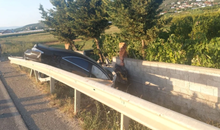
Tragic accident in Cërrik, two cars collide head-on, suspected victims
2026-07-14 19:34:00


Zhupa: Rama is defending concreting, not protected areas
2026-07-14 18:47:00

SPAK sends former mayor of Divjaka, Fredi Kokoneshi, for trial
2026-07-14 17:44:07
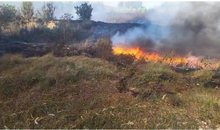
Fire near the village of Novoselë, flames approaching homes
2026-07-14 16:57:08
Dictators don't rise alone.
2026-07-14 16:20:00
The graves that Albania has not yet found
2026-07-14 15:40:44

Detoured twice, how the London-Tirana flight turned into a 12-hour nightmare
2026-07-14 14:14:18


The absolute loneliness of women who are "reborn"
2026-07-14 13:40:06
Why are healthy young non-smokers developing lung cancer?
2026-07-14 13:26:53
Why did the Bank of Albania revoke the licenses of 80 foreign exchange offices?
2026-07-14 13:14:00
Arson cases, 29 people arrested and prosecuted in June and July
2026-07-14 13:05:16

Accident at Liqeni i Thatë, young man on motorbike is hit by a vehicle
2026-07-14 12:45:43
INSTAT: Albanian women are aging faster than men, median age exceeds 45 years
2026-07-14 12:21:00

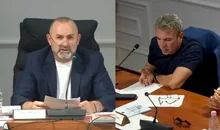
"Get out", Gjiknuri and Manja clash over the draft law on agricultural lands
2026-07-14 11:24:00
Injuring of 22-year-old in Fushë-Krujë, perpetrator arrested
2026-07-14 10:55:08
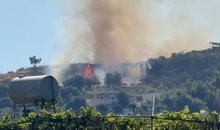
A pine forest area in Vlora is engulfed in flames, several homes are at risk
2026-07-14 10:28:04
World Cup turns into nightmare for Senegal, sexual harassment allegations raised
2026-07-14 10:20:12


Speaking multiple languages can keep your brain up to 13 years younger
2026-07-14 09:35:11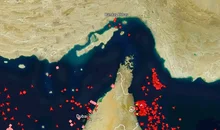
Strait of Hormuz becomes key battleground again, oil prices rise
2026-07-14 09:20:09

73.4% of Albanians' out-of-pocket health expenses go to medicines
2026-07-14 09:02:28
Over 10,000 dead from extreme heat wave in Europe, elderly most affected
2026-07-14 08:59:36

Foreign exchange, the rate at which foreign currencies are sold and bought
2026-07-14 08:24:50
The ten challenges Spain must win to eliminate France and Mbappé
2026-07-14 08:04:02


Morning Post/ In 2 lines: What mattered yesterday in Albania
2026-07-14 07:00:35
Ukraine strengthens air defense, Macron announces deal for 16 Rafale jets
2026-07-13 22:26:00
Shkullaku: Qeveria përdori koncertin e Kanye West për të eklipsuar protestën
2026-07-13 22:11:36
Conflict between young people in Fushë-Krujë, 22-year-old injured with knife
2026-07-13 21:47:26

Haaland, the phenomenon of the 2026 World Cup
2026-07-13 20:19:12
Citizens take to the streets again, protest enters 44th day
2026-07-13 20:01:25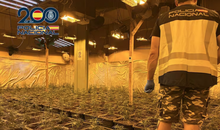
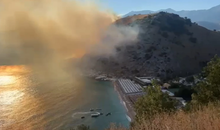
Large fire in Himara, flames engulf the hills of the Llaman area
2026-07-13 19:28:11

Dutch referee dies, weeks after being banned from 2026 World Cup
2026-07-13 18:22:39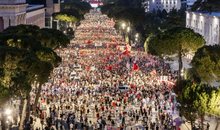

What professions make people the happiest?
2026-07-13 17:51:54
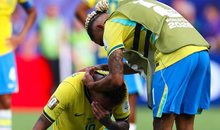
Brazil still in crisis, fans attack Federation after motivational video
2026-07-13 16:42:07
The Special Court returns the file against former mayor Elvis Roshi to SPAK
2026-07-13 16:22:11
IDC-CDI meets in Brussels, Berisha participates as Vice President
2026-07-13 16:05:10
"Washington Examiner": Anger against Rama's enrichment has reached its peak
2026-07-13 14:28:00
Here are the years of imprisonment requested for Monika's mother
2026-07-13 14:09:46
EU appoints German diplomat as new special envoy for Kosovo
2026-07-13 13:55:29
Property alienation in Durrës/ Court confirms security measures for suspects
2026-07-13 13:25:00
70 people with poisoning symptoms in Pristina, 22 hospitalized
2026-07-13 13:16:00

Erkin Lika's lifeless body found after falling into Mat River sinkhole
2026-07-13 12:32:00
Over 500 babies named after Haaland after World Cup matches
2026-07-13 12:28:00
18 arrested in Spain, who is the Albanian known as 'Daci'?
2026-07-13 12:22:00

4.2 million euros for Kanye West, DP reports Rama and Gonxha to SPAK
2026-07-13 11:27:03