 Flash News
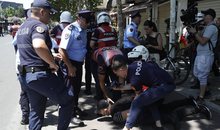
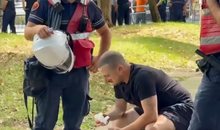
Violence against protesters, Albanian Helsinki Committee: Police used disproportionate force, we demand an investigation
DP takes to the Constitutional Court the dismissal of the investigative commissions for the National Infrastructure Agency and roads
Switzerland secures qualification for the 2026 World Cup round of 16
Another request for Balluk's arrest? Braho: I can tell you two things...
Currency exchange rate July 3/ How much the dollar and euro are bought and sold for
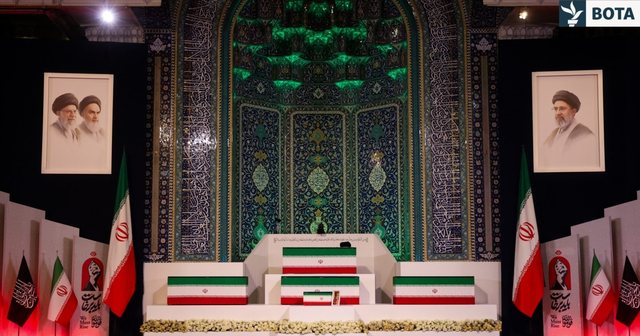
More than four months after he was killed on the first day of war with the United States and Israel, Ali Khamenei, who led the country for more than three decades with an iron fist, will finally be buried.
Starting on July 4, Iran is organizing what officials describe as one of the largest and most complex funeral ceremonies in the country's history: five days of tributes and ceremonies to be held in Tehran, Qom and Mashhad, with stops also in Baghdad, Karbala and Najaf in neighboring Iraq, before his body is finally laid to rest at the Imam Reza shrine on July 9.
The event is expected to have the ceremonial proportions usually reserved for founding figures of the state. After nearly 37 years in power, Khamenei leaves as the longest-serving supreme leader in the history of the Islamic Republic and a defining force in Iran's modern history.
According to Taghi Rahman, a human rights activist and husband of Nobel Peace Prize winner Narges Mohammadi, the long ceremony aims to project the image of a country that is “still standing” and recovering from war. The ceremony will also attempt to divert attention from the deaths of tens of thousands of Iranians under Khamenei’s regime.
Rahmani added that the Islamic Republic is trying to project strength both to international audiences and domestically through fear and authority, even though he said the gap between the state and Iranian society is deep. He described the Iranian population as impoverished, weakened, oppressed and full of discontent, but also frightened by the wave of executions after the war.
The funeral was scheduled to be held in March, not long after Khamenei was assassinated on February 28. This did not happen, and the reasons for the postponement speak for themselves about the state of affairs in Iran.
Plans were repeatedly revised in the immediate aftermath of Khamenei's death, as the country was still at war. Officials faced dilemmas related to security threats, uncertainty about the participation of foreign delegations, and the still unresolved issue of his successor.
As a result, Khamenei's body was preserved for months as the Islamic Republic struggled to find a way to bury its second-in-command without risking the ceremony devolving into chaos or becoming an issue that would itself escalate tensions.
Security is now the main concern. Sources told Radio Free Europe/Radio Liberty's Radio Farda that security measures have been significantly increased around the Mosala mosque complex in Tehran, where the funeral ceremony will begin.
Organizatorët po përpiqen po ashtu të shmangin përsëritjen e dy tragjedive famëkeqe: shtypjen e turmave që ndodhi gjatë funeralit të ajatollah Ruhollah Khomeini në vitin 1989, kur humbën jetën tetë persona dhe mijëra të tjerë u plagosën, si edhe shtypjen gjatë varrimit të Qassem Soleimani në vitin 2020, ku humbën jetën dhjetëra njerëz. Zyrtarët provincialë në Korasan Razavi, ku do të varroset Khamenei, e kanë përmendur idenë e përdorimit të helikopterëve për të menaxhuar turmat rreth arkivolit.
Edhe funerali i Khomeinit u shoqërua me skena kaotike, kur mijëra pjesëmarrës u vërsulën drejt arkivolit të themeluesit të Republikës Islamike, duke bërë që trupi i tij, i mbështjellë me qefin, të binte jashtë arkivolit. Organizatorët pa dyshim do të duan të shmangin përsëritjen e një incidenti të tillë.
I gjithë organizimi i ceremonisë nuk mund ta fshehë plotësisht atë që sundimi i Khameneit nënkuptoi për njerëzit të cilëve tani u kërkohet ta vajtojnë.
Për më shumë se tri dekada, ai qëndroi në krye të një sistemi që çdo zë kritikë e trajtonte si pjesë të një komploti të huaj dhe i përgjigjej me forcë vdekjeprurëse – nga Lëvizja e Gjelbër e vitit 2009, te trazirat Grua, Jetë Liri e vitit 2022 e deri te vala vdekjeprurëse e protestave që shpërtheu vetëm disa javë para fillimit të luftës.
Prandaj nuk është për t’u habitur që familjet e protestuesve të vrarë nga forcat e sigurisë e pritën me gëzim vdekjen e Khameneit gjatë luftës, pavarësisht se konflikti kishte përhapur frikë dhe ankth në shoqëri.
“Ndjeva se drejtësia kishte triumfuar mbi shtypjen”, tha për Radion Farda Moslem Haqiqi, djali i të cilit, Milan Haqiqi, u vra në vitin 2022. “Kjo solli njëfarë ngushëllimi për plagët që kishin rënduar zemrën time për vite me radhë”.
Video: Shumë njerëz e kujtoijnë Khamenein si lider brutal
Megjithatë, disa argumentojnë se vdekja e Khameneit nga sulmi ndaj rezidencës së tij i dha Republikës Islamike mundësinë ta paraqesë atë si një figurë të shenjtëruar dhe të përpiqet të rikthejë një pjesë të legjitimitetit të saj të rrënuar përmes një funerali edhe më madhështor se ato të mbajtura për ajatollah Ruhollah Khomeini apo Qassem Soleimani.
Rahmani e cilësoi vetë luftën si një fatkeqësi për opozitën politike të Iranit.
“Në fakt, kjo luftë i bëri shumë përpjekje më pak efektive, e dobësoi ndjeshëm shtresën e mesme të Iranit dhe të paktën për momentin, regjimi ka rivendosur autoritetin dhe frikën”, tha ai. Megjithatë, sipas tij, ky dominim është i brishtë dhe mund të shembet nëse forcat opozitare kanë strategjinë e duhur.
Pikëpyetja më e madhe gjatë kësaj jave është nëse udhëheqësi i tretë suprem i Iranit do të shfaqet në publik.
Mojtaba Khamenei nuk është parë në publik që nga fillimi i luftës në shkurt. Që prej emërimit të tij nuk është publikuar asnjë video, audio-incizim apo fotografi e re: janë bërë publike vetëm deklarata me shkrim, të lexuara në televizionin shtetëror.
Even his father-in-law, Gholam Ali Haddad Adel, has publicly stated that he has had no contact with him and has no information about his condition before the war began. Mojtaba did not even attend the funeral of his wife on July 2, who was killed in the same attack that killed his father.
Officials organizing the funeral have declined to say whether he will attend.
If he does appear in public, the most important moment will not be simply his presence in the crowd, but whether he will lead the funeral prayer for his father himself. Some observers believe that Mojtaba could take on that role if he attends the ceremony, although officials have given no indication that this will happen. If he appears at the forefront of the ceremony to lead the prayer for his father, it would be the closest thing to a public seizure of power./ REL
Latest news
Iran bids farewell to Khamenei with five-day ceremony
2026-07-03 21:21:47

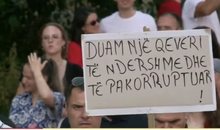
34th protest in Tirana, citizens march towards the Prime Minister's Office
2026-07-03 20:01:03
Ndryshe nga Rama, Meloni tërhiqet nga projekti i resortit në Sardenjë
2026-07-03 19:42:56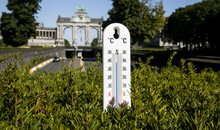
Vala e të nxehtit në Belgjikë shkakton rritje të ndjeshme të vdekjeve
2026-07-03 19:19:53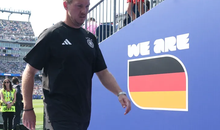
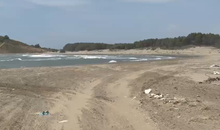
29-year-old woman found drowned at sea in Vlora
2026-07-03 18:41:21

Just a handful a day, the snack that helps your heart and intestines
2026-07-03 16:56:53
FIFA clarifies Croatia's goal against Portugal disallowed
2026-07-03 16:35:35
Video/ Scorching heat gives way to bad weather, hail storm hits Elbasan
2026-07-03 16:01:29
Granit Pepnikaj arrested in Dhërmi, wanted for Call Center fraud
2026-07-03 15:27:26
Nga projekti fantazmë i inicineratorit të Tiranës u zhdukën 99 milionë euro
2026-07-03 15:13:15


Switzerland secures qualification for the 2026 World Cup round of 16
2026-07-03 13:59:42
Sky News: Protests have turned into demonstrations against the Rama government
2026-07-03 12:54:57
Another request for Balluk's arrest? Braho: I can tell you two things...
2026-07-03 12:06:43
Balliu meets arrested protesters: They were more motivated than ever not to stop
2026-07-03 11:36:05
Ronaldo scores in the knockout stages for the first time at the World Cup
2026-07-03 09:51:37

One-fifth of young people neither in work nor in school by 2025
2026-07-03 08:41:13
Check out the weather forecast for today.
2026-07-03 08:20:51
Morning Post/ In 2 lines: What mattered yesterday in Albania
2026-07-03 07:58:40
"Resignation is not an option", Rama clashes with DW journalist over protests
2026-07-02 22:00:21

Rama's MP calls protesters "scoundrels": The government did not provoke them
2026-07-02 20:57:40
Protesta/ Ambasada e SHBA në Tiranë paralajmëron qytetarët: Tregoni kujdes
2026-07-02 20:36:13
Hitaj urdhëron ‘mbylljen’ e kufirit për protestën e 4 korrikut
2026-07-02 20:21:14
A 27-year-old Albanian man in Italy died in a workplace accident
2026-07-02 19:04:38
Boçi: Violence against protesters shows the panic of a government on the run
2026-07-02 18:48:02

He spent 6 thousand dollars to see Messi, but was left outside the stadium
2026-07-02 18:17:30
Lawyer: Police implemented illegal orders, protesters should be released
2026-07-02 17:49:37
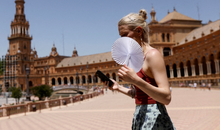
Barcelona equips employees with smart bracelets to monitor heat
2026-07-02 16:59:48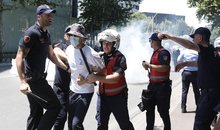
Violent gatherings, 4 protesters held in custody
2026-07-02 16:44:20
Uncontrolled artificial intelligence in the Western Balkans
2026-07-02 16:22:13
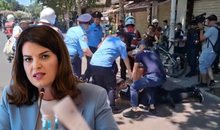
Tirana Incinerator/ SPAK takes Mërtir, Zoto and 12 defendants to trial
2026-07-02 15:25:50
The end of a legend! Manuel Neuer bids farewell to Germany
2026-07-02 15:11:46

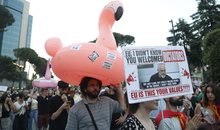
'Digital Lightning': Edi Rama's targeting of protesters raises concerns
2026-07-02 14:09:04
Suspect in Velipoja massacre escapes, police searching for Hasan Ferracak
2026-07-02 13:34:19
Balla attacks protesters: A group of social and political garbage
2026-07-02 13:16:48

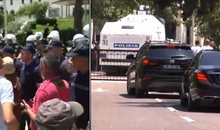
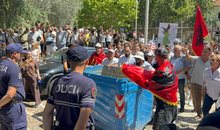
Plenary session ends, protesters throw eggs at cars of SP MPs and ministers
2026-07-02 12:20:26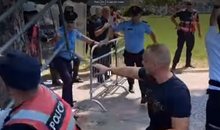
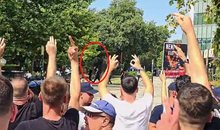
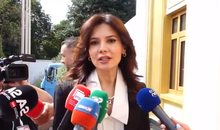
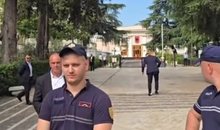

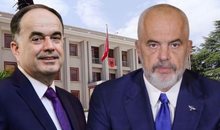
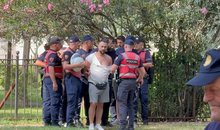
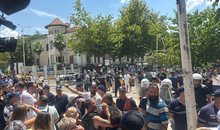
Parliament is armored before the protest, SP MPs enter early to avoid protesters
2026-07-02 09:18:08

Check out the weather forecast for today.
2026-07-02 08:29:47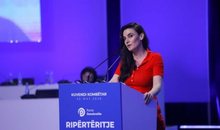
Following Paloka, Julia Emiri is elected head of the DP National Council
2026-07-02 08:11:44
Morning Post/ In 2 lines: What mattered yesterday in Albania
2026-07-02 07:58:18
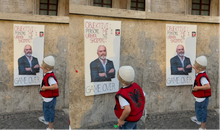
PHOTO NEWS/ "Rama, the most hated man in Albania"
2026-07-01 21:29:16
"DP will be renewed", Zhupa: We are creating a team for the new elections
2026-07-01 21:13:18