 Flash News
Here are the years of imprisonment requested for Monika's mother
"Blackened eyes and pulled out hair"/ Father of the raped 17-year-old: Police took no action
Property alienation in Durrës/ Court confirms security measures for suspects
Details/ Murder of Eglant Koç, the perpetrator hid for 10 days in the Elbasan region
Erkin Lika's lifeless body found after falling into Mat River sinkhole
From birth certificate to monthly payment. Why was the new scheme suspended?

Politiko
2026-02-17 16:36:26
Esmeralda Hida
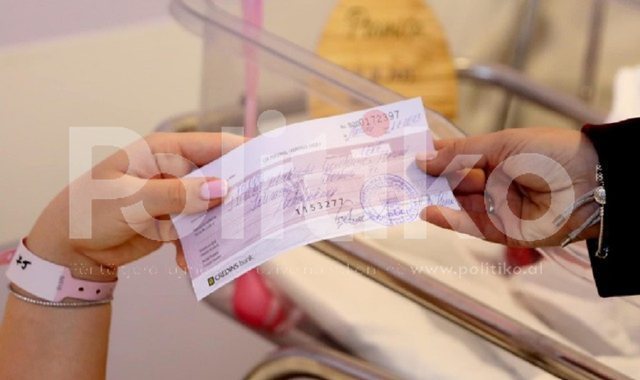
The promise to transform the "baby check" into a monthly support for young families was presented as a major step towards social policies and encouraging fertility.
The idea of moving from a single maternity payment to a monthly scheme for children aged 0–5 was perceived as a reform with a long-term impact on family finances. But, months after public statements, the reality seems to be falling short of expectations.
"From next year, there will not be a maternity check at birth, but financial support every month according to the number of children aged 0-5," Rama said on May 7, 2025, while conducting the electoral campaign.
Today, in February 2026, the new scheme still remains a mere declaration. Beyond public discussions and rumored figures, there is still no formalized decision or clear implementation plan.
At a time when living costs continue to rise and fertility is steadily declining, the issue of financial support for young families takes on even greater social and economic importance.
Politiko.al has analyzed what really happened with the promise of the birth bonus, what experts say about the potential impact of such a scheme on the state budget and family finances, and why, despite optimistic statements, its implementation still seems distant.
According to public statements, the new scheme would provide for monthly support according to the child's birth order, valid for a period of five years.
Specifically, there was talk of 5,000 lek per month for the first child (60,000 lek per year), 7,000 lek per month for the second child (84,000 lek per year) and 10,000 lek per month for the third child and each subsequent child (120,000 lek per year).
-First child: 5,000 lek/month (60,000 lek/year)
-Second child: 7,000 lek/month (84,000 lek/year)
-Third child and more: 10,000 lek/month (120,000 lek/year).
What does the expert say?
It is precisely the young families, who were considered direct beneficiaries of this scheme, who are today the most uncertain.
Their questions and concerns are numerous, which prompted us to seek a professional assessment of the situation. For this reason, we have communicated with economic expert Romina Radonshiqi, to bring a more in-depth analysis of the real impact of this initiative.
Asked by Politiko.al, Radonshiqi emphasizes that currently the monthly expenses for caring for a child up to the age of 5 can reach up to 30,000 lekë, depending on specific conditions and needs.
According to her, in a context where the cost of living in Albania continues to be high, financial support at the levels mentioned by the government would have a limited impact on the real affordability of families' expenses.
"Planifikimi për lindjen e fëmijëve shoqërohet me shumë shpenzime. Këtu përfshihen shpenzimet për kontrolle mjekësore, si edhe për një ushqyerje të shëndetshme të nënës gjatë shtatzënisë. Ardhja e një fëmije rrit ndjeshëm shpenzimet familjare. Shpenzimet mujore për përkujdesjen e fëmijës arrijnë mesatarisht nga 20.000 deri në 30.000 lekë, pasi kjo shumë varion në varësi të faktit nëse nëna e ushqen fëmijën me gji apo me qumësht formule.
Në kushtet në të cilat ndodhet Shqipëria, ku kostoja e jetesës është tepër e lartë dhe kostoja e rritjes së fëmijëve është gjithashtu shumë e madhe, madje në disa raste më e lartë se në vendet e Bashkimit Europian, bonusi i lindjes nuk është i mjaftueshëm për të përmbushur shpenzimet e nevojshme për rritjen e një fëmije. Skema e bonuseve e përdorur deri më sot nuk përbën gjë tjetër veçse një ndihmë të përkohshme, e cila jepet në një moment të vetëm dhe nuk ka ndikim afatgjatë në përballimin e kostove reale të prindërimit”, shprehet ajo.
Pse nuk është vënë në zbatim
Sipas Radonshiqit, një skemë e tillë kërkon planifikim të detajuar financiar dhe analizë të qartë të efekteve që do të sillte në raport me skemën aktuale.
Çdo ndryshim i kësaj natyre duhet të shoqërohet me përllogaritje të sakta buxhetore, në mënyrë që të garantohet qëndrueshmëria e saj në kohë dhe të shmangen zhgënjimet në rast mosrealizimi.
“Skema e re nuk ka nisur ende, pasi qeveria duhet të llogarisë fondet që do t’i nevojiten çdo vit, me qëllim që të mos krijohen pakënaqësi në rast se premtimi nuk realizohet. E parë nga këndvështrimi i një ekonomisti, kjo skemë do të përbëjë një barrë për buxhetin e shtetit, por njëkohësisht do të krijojë lehtësi në financat e familjeve dhe do të nxisë lindshmërinë, e cila përbën një problem real të kësaj dekade në Shqipëri", shton ajo.
Ekspertja shton se vende të rajonit dhe të Bashkimit Europian prej vitesh zbatojnë politika të ngjashme për nxitjen e lindshmërisë, por ato shoqërohen me paketa të plota mbështetëse, përfshirë politika strehimi, lehtësira fiskale dhe shërbime sociale cilësore.
Sipas saj, vetëm një pagesë mujore nuk mjafton për të ndryshuar realisht vendimmarrjen e çifteve të reja, nëse ajo nuk shoqërohet me masa të tjera strukturore.
Prindërit: 5 000 lekë nuk mbulojnë as muajin e parë
Të dhënat e publikuara nga Ministria e Financave tregojnë se gjatë 11 muajve të vitit të kaluar, nga 1.8 miliardë lekë të planifikuara për bonusin e lindjeve, u shpërndanë vetëm 1.2 miliardë lekë. Kjo lidhet drejtpërdrejt edhe me rënien e numrit të lindjeve.
Ndërkohë, vetë prindërit shprehen skeptikë për efektin real të skemës së re. Një nënë e re, A. Cibuku, e cila është bërë prind pak muaj më parë, tregon se as bonusi aktual dhe as skema e përfolur nuk përbëjnë një mbështetje reale për familjet e reja me të ardhura mesatare.
According to her, monthly expenses for a child reach a minimum of 20,000 lekë, not including initial purchases such as a stroller, bed or other necessary equipment.
"The bonus can in no way be an incentive to have a child because it cannot even cover the expenses of the child's first month. It is a symbolic amount but not a supportive policy for young families. The monthly expenses for a child, not counting the initial purchases of children such as strollers, beds, etc., are at least 20 thousand new lek per month. The monthly bonus of 10 thousand lek makes a difference for many families; it is a support but insufficient considering the other expenses that young families have such as rent, etc.
"So, the baby check of 50 thousand new lek is a momentary expense in the first month of the baby's birth, which requires a lot of expenses, and covering that much is a reward of the moment and not a supportive policy, I repeat," she told Politiko.al, while emphasizing that even in the months before birth, a family must spend up to 4 thousand euros, as they are often forced to go to private hospitals, since they either do not trust the public ones, or do not receive the service they need.
Fertility in continuous decline
Data published by INSTAT on February 10 show a clear downward trend in births in the country.
From 27,211 births in 2021, the number has dropped to 21,425 in 2025. In just four years, 5,786 fewer births have been registered, while in 2025 alone the decrease was 1,885 births compared to the previous year.

Two main factors influence this phenomenon: the decrease in the average number of children a woman gives birth to during her lifetime and the high emigration of young people, who constitute the most reproductive age group of the population.

Statistics show that policies to date have had limited impact in reversing this trend. For this reason, any new support measure must be clear, implementable, and financially guaranteed in time, so as not to remain simply an electoral promise.
In the end, reality speaks for itself: without integrated and long-term policies, which include real financial support, housing policies and economic security, the decline in fertility is expected to continue. / Politiko.al/
Latest news

IDC-CDI meets in Brussels, Berisha participates as Vice President
2026-07-13 16:05:10
"Washington Examiner": Anger against Rama's enrichment has reached its peak
2026-07-13 14:28:00
Here are the years of imprisonment requested for Monika's mother
2026-07-13 14:09:46
EU appoints German diplomat as new special envoy for Kosovo
2026-07-13 13:55:29

Property alienation in Durrës/ Court confirms security measures for suspects
2026-07-13 13:25:00
70 people with poisoning symptoms in Pristina, 22 hospitalized
2026-07-13 13:16:00


Erkin Lika's lifeless body found after falling into Mat River sinkhole
2026-07-13 12:32:00
Over 500 babies named after Haaland after World Cup matches
2026-07-13 12:28:00
18 arrested in Spain, who is the Albanian known as 'Daci'?
2026-07-13 12:22:00

4.2 million euros for Kanye West, DP reports Rama and Gonxha to SPAK
2026-07-13 11:27:03




Heatwave hits Germany, over 5,400 heat-related deaths
2026-07-10 10:45:33

Land in "foreign hands"
2026-07-10 10:26:15

Mbappe the hero of France, the "Roosters" knock out Morocco in the quarterfinals
2026-07-10 09:54:33
Durrës/ 40-year-old man stabs his wife
2026-07-10 09:48:03



How much could the amount of drug money in the Albanian economy be?!
2026-07-10 09:08:34
Government reduces funds for farmers, increases ADF by 75 million euros
2026-07-10 08:55:46
Horoscope, get to know the star forecast
2026-07-10 08:32:54


Morning Post/ In 2 lines: What mattered yesterday in Albania
2026-07-10 07:52:04
A person was shot dead in Kurbin, first details
2026-07-09 22:54:48


Will the Police also stop those who criticize Rama online?
2026-07-09 21:57:02


FIFA decision shocks England, Quansah ruled out for two matches
2026-07-09 20:51:00


Protest/Pedagogue: 4 million euros for Kanye West is "the next concession"
2026-07-09 19:45:53
French MEP joins protests in Albania: Support for the "Pink Flamingo Revolution"
2026-07-09 19:28:07


Has the lek strengthened or overvalued?
2026-07-09 17:58:05




The trial on the merits for Ilir Meta and Monika Kryemadhi is postponed
2026-07-09 16:47:58

The match between England and Norway risks being postponed, this is the reason
2026-07-09 16:12:46
Murder in Shkodra/ Relatives: Peaceful family, no problems
2026-07-09 16:10:02
Kurti invites opposition leaders to a meeting to create new institutions
2026-07-09 15:43:05


This is the 62-year-old man who killed his wife in Shkodra
2026-07-09 15:01:43

Domestic crime/ Wife killed with shotgun, perpetrator and victim identified
2026-07-09 14:05:18
Gunfire in Shkodra, one victim suspected
2026-07-09 13:49:41
Weapons cache discovered in Fier, Prosecution sends 38-year-old to trial
2026-07-09 13:35:48

Bota e muzikës në zi, ndahet nga jeta në moshën 75-vjeçare ikona Bonnie Tyler
2026-07-09 12:56:29
Monika Kryemadhi in the Criminal Court: The cell phone was seized illegally
2026-07-09 12:45:54


VALEN MP reacts after border detention: Albania is no one's property
2026-07-09 12:15:44
Albanian gang in Belgium sentenced for trafficking 7 tons of cocaine
2026-07-09 12:01:14
Justin Bieber, Shakira and Madonna to perform at 2026 World Cup final
2026-07-09 11:52:54
Euro falls, inflation rises and domestic production loses ground
2026-07-09 11:39:36
Trial at the GJKKO, Meta's new lawyer appears in the session
2026-07-09 11:29:47
Nighttime accident in Gramsh, man and woman injured
2026-07-09 11:20:25
Meta seeks 134 witnesses, GJKKO delivers decision today
2026-07-09 10:56:54


At the peak of the production season, vegetable prices 'fly'
2026-07-09 10:21:14
The African heat returns, the thermometer reaches 40 degrees this weekend
2026-07-09 10:08:08
Opinions from 'anonymous' authors target Flamingo protests
2026-07-09 10:07:15
MEP Waitz: The law on protected areas endangers Albania's path to the EU
2026-07-09 09:52:55
"Le Courrier des Balkans": Edi Rama and the megalomania of power
2026-07-09 09:40:26
The economics of concerts, the prime minister's imaginary 100 million euros
2026-07-09 09:28:19
Erdogan's strange gift to NATO leaders
2026-07-09 09:11:15

Foreign exchange, the rate at which foreign currencies are sold and bought
2026-07-09 08:30:41
“Uniteti i jashtëzakonshëm” i NATO-s dhe mesazhet kryesore nga samiti në Turqi
2026-07-09 08:11:17

Horoskopi, njihuni me parashikim e yjeve
2026-07-09 07:46:15
Alternime kthjellimesh e vranësirash, parashikimi i motit
2026-07-09 07:25:59
Posta e mëngjesit/ Me 2 rreshta: Çfarë pati rëndësi dje në Shqipëri
2026-07-09 07:02:12