 Flash News
Foreign exchange, the rate at which foreign currencies are sold and bought
Clear skies throughout Albania, here's what the weather is expected to be like today
Conflict between young people in Fushë-Krujë, 22-year-old injured with knife
Kanye West's state-funded concert, OCCRP: Government accused of using the concert to stifle protests
Here are the years of imprisonment requested for Monika's mother
Kosovo leads the region in the percentage of young people in prison

Politiko
2026-05-12 14:55:00
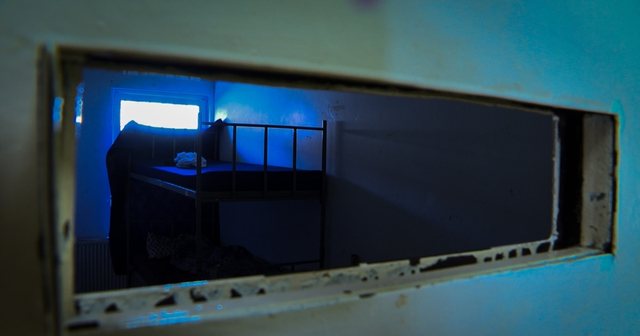
More than one in three prisoners in Kosovo is under the age of 30.
Data, published at the end of April as part of the Youth Participation Index, show that Kosovo has the highest percentage of youth in correctional services in the entire region.
A year earlier, Kosovo was second, behind Albania.
For Ferid Murseli from the organization Democracy for Development (D4D) - which collected official data on Kosovo for this report - these figures do not only indicate the penal system.
"In our country, every day we say that 'this country has youth', 'youth is the future', but in fact this shows exactly where youth stands, whether in the political, social or economic dimension," he tells Radio Free Europe.
In addition to the high rate of youth in prison, Kosovo also ranks poorly in other indicators related to youth life.
Around 35 percent of young people in Kosovo are not in education, employment or training - the highest rate in the region.
Kosovo also has the lowest youth labor force participation rate.
"It's a very high number," says Murseli. "If you have high unemployment, then there is a greater chance that young people will be involved in negative factors."
He argues that institutions should invest more in educational reforms, career guidance, vocational schools, and community activities for young people.
"There should be more functional youth centers, sports, cultural and artistic activities, so that young people can be offered positive alternatives," says Murseli.
Sociologist Donika Gashi from the Musine Kokalari Institute also sees this statistic as a consequence of deeper social factors.
"This figure cannot be read simply as a matter of criminality, but as a symptom of economic insecurity, educational failure and social marginalization," she tells Radio Free Europe.
According to her, many young people come into conflict with the law because they fail to find stable jobs, psychological support, or community services.
"If a young person is not working, not in education and does not see a path to progress, the system meets him too late, when he has already come into conflict with the law," says Gashi.
Radio Free Europe asked the Ministry of Justice if it has any plans to address this phenomenon, but, as of the publication of this article, it has not received a response.
Similarly, the Kosovo Correctional Service has not granted REL permission to visit the Juvenile Correctional Center, located in Lipjan.
During a visit a few years ago, two young men spoke about their lives within the walls of this institution, in isolation.
Both were looking forward to their release and return to society, but psychologist Fjolla Ibrahimi had hinted that that return might not be very welcoming.
“Sfidat kryesore që hasin ish të burgosurit në riintegrim, janë mospërputhshmëria me personat e tjerë në rrethin ku ata do të jetojnë, gjetja e një pune permanente, e cila sjell të ardhura, shëndeti i tyre mendor pas daljes nga burgu, si dhe paragjykimi, i cili vjen nga të tjerët”, kishte thënë Ibrahimi për Radion Evropa e Lirë.
Efektet negative që sjell izolimi i të rinjve në një kohë të rëndësishme për zhvillimin e tyre, si në adoleshencë, bëjnë që organizata amerikane Juvenile Law Center të kërkojë zhdukjen e institucioneve të tilla për të mitur.
Kate Burdick, avokate në këtë organizatë, thotë për Radion Evropa e Lirë se izolimi, kontrolli i vazhdueshëm dhe shkëputja nga mbështetja familjare ndikojnë drejtpërdrejt në zhvillimin emocional të të rinjve.
“Po flasim për fëmijë dhe të rinj, truri i të cilëve ende është në zhvillim. Kjo është një periudhë kur ata kanë nevojë për mbështetje, jo për trauma shtesë”, thotë Burdick.
Sipas saj, edhe në institucionet ku nuk ka dhunë fizike, vetë ndarja nga familja dhe komuniteti është problematike.
“Ata trajtohen si numra dhe shkëputen nga njerëzit që përbëjnë identitetin dhe mbështetjen e tyre”, thotë Burdick. “Pyetjet që dëgjojmë më shpesh janë: ‘Si mund të flas më shumë me nënën time?’ ose ‘Si mund të mos e humbas ditëlindjen e motrës?’”.
Sipas saj, alternativa më efektive janë programet komunitare, mentorimi, terapia dhe drejtësia restauruese.
“Kërkimet tregojnë se alternativat ndaj burgimit janë më efektive në uljen e recidivizmit sesa izolimi i të rinjve në institucione”, thotë Burdick.
Kosova nuk mban statistika për shkallën e recidivizmit në vend.
Sipas Donika Gashit, në letër, Kosova ka politika parandaluese. Por, në realitet, thotë ajo, sistemi vazhdon të funksionojë ndryshe.
“Kjo do të thotë se institucionet aktivizohen pasi dëmi ka ndodhur: policia, prokuroria, gjykata dhe më pas sistemi korrektues”, thotë ajo.
Parandalimi i vërtetë, sipas Gashit, duhet të ndodhë shumë më herët: në shkolla, familje, qendra për punë sociale dhe shërbime të shëndetit mendor.
“Duhet të kalojmë nga logjika ‘ta dënojmë’ te logjika ‘ta ndërpresim ciklin’”, thotë Gashi.
Ajo argumenton se për veprat më pak të rënda, sidomos për kryesit për herë të parë, duhet të përdoren më shumë masa alternative, si puna në dobi të komunitetit, trajtimi i varësive dhe kthimi në arsim.
“Drejtësia nuk përfundon me shqiptimin e dënimit, por me sigurimin që personi të mos e përsërisë më të njëjtën vepër”, thotë ajo.
Gashi thotë se një nga problemet kryesore mbetet mungesa e mbështetjes pas lirimit. Sipas saj, rehabilitimi nuk duhet të kufizohet në trajnime brenda burgut.
“Duhet të ketë lidhje reale me tregun e punës, mentorim dhe mbështetje psikologjike”, sipas saj.
Ajo paralajmëron se, në të kundërtën, burgu rrezikon të forcojë “identitetin kriminal” të të rinjve.
Për ekspertët, investimi në arsim, punësim dhe shërbime komunitare shihet si mënyra më efektive për të ulur recidivizmin.
Burdick also argues that financial resources could be better used outside of closed institutions.
“It is much more effective and less costly to provide support to young people in the community than in prison,” she says.
For Murseli, the figures should serve as a wake-up call for institutions. He warns that without long-term policies and serious investments in youth, the problems could deepen.
"If we continue like this, we will have even bigger problems in the future," Murseli concludes./ REL
Latest news




Speaking multiple languages can keep your brain up to 13 years younger
2026-07-14 09:35:11
Strait of Hormuz becomes key battleground again, oil prices rise
2026-07-14 09:20:09

73.4% of Albanians' out-of-pocket health expenses go to medicines
2026-07-14 09:02:28
Over 10,000 dead from extreme heat wave in Europe, elderly most affected
2026-07-14 08:59:36

Foreign exchange, the rate at which foreign currencies are sold and bought
2026-07-14 08:24:50
The ten challenges Spain must win to eliminate France and Mbappé
2026-07-14 08:04:02



Morning Post/ In 2 lines: What mattered yesterday in Albania
2026-07-14 07:00:35
Ukraine strengthens air defense, Macron announces deal for 16 Rafale jets
2026-07-13 22:26:00
Shkullaku: Qeveria përdori koncertin e Kanye West për të eklipsuar protestën
2026-07-13 22:11:36
Conflict between young people in Fushë-Krujë, 22-year-old injured with knife
2026-07-13 21:47:26



Haaland, the phenomenon of the 2026 World Cup
2026-07-13 20:19:12
Citizens take to the streets again, protest enters 44th day
2026-07-13 20:01:25

Large fire in Himara, flames engulf the hills of the Llaman area
2026-07-13 19:28:11



Dutch referee dies, weeks after being banned from 2026 World Cup
2026-07-13 18:22:39

What professions make people the happiest?
2026-07-13 17:51:54

Brazil still in crisis, fans attack Federation after motivational video
2026-07-13 16:42:07
The Special Court returns the file against former mayor Elvis Roshi to SPAK
2026-07-13 16:22:11
IDC-CDI meets in Brussels, Berisha participates as Vice President
2026-07-13 16:05:10
"Washington Examiner": Anger against Rama's enrichment has reached its peak
2026-07-13 14:28:00
Here are the years of imprisonment requested for Monika's mother
2026-07-13 14:09:46
EU appoints German diplomat as new special envoy for Kosovo
2026-07-13 13:55:29


Property alienation in Durrës/ Court confirms security measures for suspects
2026-07-13 13:25:00
70 people with poisoning symptoms in Pristina, 22 hospitalized
2026-07-13 13:16:00


Erkin Lika's lifeless body found after falling into Mat River sinkhole
2026-07-13 12:32:00
Over 500 babies named after Haaland after World Cup matches
2026-07-13 12:28:00
18 arrested in Spain, who is the Albanian known as 'Daci'?
2026-07-13 12:22:00

4.2 million euros for Kanye West, DP reports Rama and Gonxha to SPAK
2026-07-13 11:27:03




Heatwave hits Germany, over 5,400 heat-related deaths
2026-07-10 10:45:33

Land in "foreign hands"
2026-07-10 10:26:15

Mbappe the hero of France, the "Roosters" knock out Morocco in the quarterfinals
2026-07-10 09:54:33
Durrës/ 40-year-old man stabs his wife
2026-07-10 09:48:03



How much could the amount of drug money in the Albanian economy be?!
2026-07-10 09:08:34
Government reduces funds for farmers, increases ADF by 75 million euros
2026-07-10 08:55:46
Horoscope, get to know the star forecast
2026-07-10 08:32:54


Morning Post/ In 2 lines: What mattered yesterday in Albania
2026-07-10 07:52:04
A person was shot dead in Kurbin, first details
2026-07-09 22:54:48


Will the Police also stop those who criticize Rama online?
2026-07-09 21:57:02


FIFA decision shocks England, Quansah ruled out for two matches
2026-07-09 20:51:00

Protest/Pedagogue: 4 million euros for Kanye West is "the next concession"
2026-07-09 19:45:53
French MEP joins protests in Albania: Support for the "Pink Flamingo Revolution"
2026-07-09 19:28:07



Has the lek strengthened or overvalued?
2026-07-09 17:58:05




The trial on the merits for Ilir Meta and Monika Kryemadhi is postponed
2026-07-09 16:47:58

The match between England and Norway risks being postponed, this is the reason
2026-07-09 16:12:46
Murder in Shkodra/ Relatives: Peaceful family, no problems
2026-07-09 16:10:02
Kurti invites opposition leaders to a meeting to create new institutions
2026-07-09 15:43:05