 Flash News
Foreign exchange, the rate at which foreign currencies are sold and bought
Clear skies throughout Albania, here's what the weather is expected to be like today
Conflict between young people in Fushë-Krujë, 22-year-old injured with knife
Kanye West's state-funded concert, OCCRP: Government accused of using the concert to stifle protests
Here are the years of imprisonment requested for Monika's mother
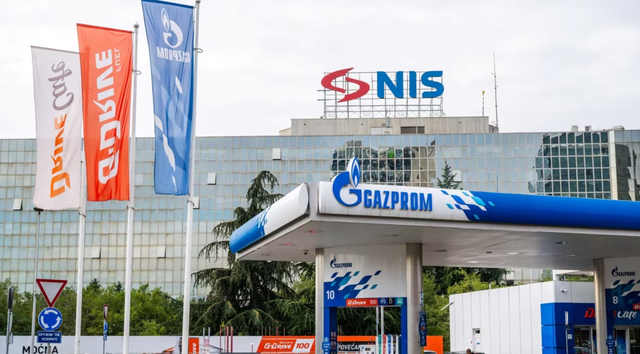
Two billion euros, which were reportedly secured by a Serbian businessman, have reopened the issue of who will be the new owner of the Oil Industry of Serbia (NIS).
In a brief statement to Radio Free Europe, Ranko Mimović confirmed that he has submitted an offer for the majority of shares in NIS, which are currently owned by Russian investors.
On the other hand, the Russian energy giant, Gazprom Neft, stated that, for now, it is conducting negotiations for the sale only with the Hungarian oil company, MOL.
For the President of Serbia, Aleksandar Vučić, the Serbian businessman's offer is "frivolous".
Ranko Mimović's company "Senator Dva", which, according to reports, has sent the offer to Gazprom Neft, was established in Serbia in the middle of last year, while there is very little public information about its activity.
Mimović has previously been mentioned in public as a businessman with a number of companies in Serbia and the region – many of which have since closed.
His activities in Slovenia have been accompanied by suspicions of fraud and money laundering.
Businessman without answer for details of offer
NIS, due to its majority Russian ownership, is under sanctions from the United States of America – which, in recent months, has made it difficult for the sole producer of oil and derivatives in Serbia to operate.
In order to lift the sanctions, Washington is demanding the removal of Russian energy companies from the NIS, with a deadline of May 22.
While Moscow is negotiating the sale with the Hungarian company MOL, the "second player" also appeared in public.
Reuters news agency reported on May 6 that businessman Ranko Mimović, through a company so far unknown to the public, has offered the Russian owners two billion euros for a majority stake in NIS.
He also stated that the Russian owners have "accepted in principle" the offer and that he has also informed the US Treasury Department's Office of Foreign Assets Control (OFAC) about this.
This, according to him, happened six months ago.
Radio Free Europe sent him questions via email regarding the offer and source of capital for the possible purchase of the Russian share in NIS, but Mimović did not respond.
The law firm representing him briefly told REL that "at this stage they can only confirm all the allegations published by Reuters."
Moscow says it is negotiating only with Budapest
Russian energy companies, Gazprom Neft and Gazprom, own over 56 percent of the shares in NIS.
They currently say they are conducting negotiations for the sale only with the Hungarian company, MOL.
“Gazprom Neft po përgatit në mënyrë aktive shitjen e pjesës së tij në NIS te kompania hungareze, MOL. Tani, janë duke u zhvilluar procedurat e nevojshme korporative dhe rregullatore. Kompania nuk po zhvillon asnjë negociatë tjetër për këtë çështje”, thanë nga kjo kompani për agjencisë Reuters.
MOL, gjithashtu, konfirmoi për Radion Evropa e Lirë se negociatat me pronarët rusë janë duke vazhduar.
Vuçiç nuk e merr seriozisht ofertën
Presidenti i Serbisë, Aleksandar Vuçiq, tha se nuk e njeh biznesmenin Mimoviq dhe se nuk është i informuar për synimet e tij për blerjen e NIS-it.
Ai, gjithashtu, tha se një gjë e tillë “nuk do të lejohej”.
“I gjeti dikush dy miliardë. Kompani serbe. A jeni seriozë? Nuk është marrë kurrë në jetën e tij me këtë punë dhe tani do ta blejë këtë. Po shteti i Serbisë pyetet, apo jo? Nuk mund ta blesh. Nuk lejon Serbia”, tha Vuçiq më 7 maj, duke iu përgjigjur pyetjeve të gazetarëve në Beograd.
Vuçiq i mohoi edhe pretendimet që u shfaqën te një pjesë e publikut, se pushteti qëndron pas ofertës së Mimoviqit për blerjen e NIS-it.
“Fakti që ju keni rënë pre dhe keni besuar se pas kësaj qëndron dikush nga pushteti, flet për ju”, tha ai.
Ai shtoi se “kjo lojë nuk do të kalojë”.
“Ose do të vijë dikush që di se si menaxhohen dhe si udhëhiqen kompani të tilla në mënyrë serioze dhe të përgjegjshme, ose lamtumirë të gjithëve”, u shpreh Vuçiq.
Beogradi, sipas tij, pret që negociatat mes pronarëve rusë dhe MOL-it të përfundojnë gjatë javës së ardhshme.
“Ka rreth katër-pesë pika mosmarrëveshjesh, por ne jemi të gatshëm për kompromis. Besoj se edhe pala hungareze është, si dhe ajo ruse”, tha Vuçiq.
Shteti i Serbisë, si pronar i vogël në NIS, është i përfshirë në negociata.
Qëllimi i tij është të rrisë pjesën e vet në kompani për 5 për qind, si dhe të ruajë funksionimin e rafinerisë në Pançevë – e vetmja në Serbi.
Megjithatë, fjala përfundimtare për shitblerjen i takon OFAC-ut amerikan, i cili duhet të miratojë transaksionin mes MOL-it dhe Gazprom Neft-it.
OFAC-u nuk iu përgjigj pyetjeve të REL-it lidhur me shitjen e NIS-it.
Çfarë ka Ranko Mimoviq në Serbi?
Sipas të dhënave të regjistrit të bizneseve në Serbi, Ranko Mimoviq është pronar i dy kompanive “motra”, me emër të ngjashëm – “KFT SENATOR TREASURY G.T.7. JEDAN” dhe “KFT SENATOR TREASURY G.T.7. DVA”.
Të dyja janë regjistruar në të njëjtën adresë dhe në të njëjtën datë – 18 gusht 2025, në Suboticë.
Kompanisë “Senator Jedan” i është hequr përkohësisht numri tatimor (PIB), i domosdoshëm për funksionim, ndërsa llogaria e saj është bllokuar për shkak të përmbarimit të detyruar.
“Senator Dva”, që përmendet si një nga blerësit e mundshëm të NIS-it, e ka llogarinë të bllokuar për një borxh prej rreth 80 eurosh.
Për aktivitetin e këtyre kompanive ka shumë pak informacione publike.
Ato janë krijuar nga ndarja e kompanisë mëmë “KFT SENATOR TREASURY G.T.7. DOO”, e cila, pas dy vjetësh funksionimi, u mbyll në gusht 2025.
Edhe për të ka pak të dhëna publike, përveç faktit se pasuria e saj është ndarë në kompanitë simotra, të cilat e kanë futur atë si kapital fillestar.
“Senator Jedan” ka në kapitalin e saj aksione të një kompanie bullgare dhe obligacione të Gjermanisë dhe Kinës, me vlerë rreth 822 milionë euro.
“Senator Dva” ka të deklaruar si kapital një certifikatë depozite me të drejtë disponimi në bankën zvicerane Union Bank, për 15 tonë ar, me vlerë rreth 950 milionë euro.
Të dyja kompanitë janë të regjistruara për shërbime financiare dhe nuk kanë punonjës.
Gjatë vitit 2025 kanë qenë joaktive, ndërsa Mimoviq, në mars 2026, ka dorëzuar një raport në regjistrin e biznesit për mosaktivitetin e tyre gjatë vitit të kaluar.
Përveç kompanisë mëmë të mbyllur “Senator”, Mimoviq ka pasur edhe shtatë kompani të tjera në Serbi ndër vite, në fusha të ndryshme, por që sot nuk janë më aktive.
Ato janë marrë me përpunimin e frutave dhe perimeve, hoteleri, tregti me shumicë, pastrim uji dhe shpërndarje gazi përmes tubacioneve.
Të gjitha janë fshirë nga regjistri i biznesit.
Disa kanë përfunduar në falimentim, ndërsa të tjera në likuidim të detyruar – që do të thotë se janë mbyllur me vendim të institucioneve shtetërore.
Pse tani “blerësi i ri”?
Për gazetarin e çështjeve ekonomike në Serbi, Misha Bërkiq, është “interesant” fakti që biznesmeni Ranko Mimoviq, i përmendur si një nga kandidatët e mundshëm për blerjen e NIS-it, është shfaqur tani – në fazën përfundimtare të procesit të shitjes së kompanisë së naftës.
“Përse, nëse ai para rreth gjashtë muajsh ka dorëzuar një propozim në OFAC-un amerikan? Përse deri tani nuk ka pasur asnjë reagim nga OFAC-u? Ndoshta sepse kjo ofertë nuk është marrë seriozisht”, vlerëson Bërkiq për Radion Evropa e Lirë.
Sipas tij, pas kësaj oferte nuk qëndron asgjë reale.
“Nuk ia vlen të komentosh diçka që është jashtë logjikës ekonomike dhe jashtë rrjedhave të realitetit”, shton ai.
Bërkiq thekson se në blerjet e kompanive të mëdha ndërkombëtare, transparenca është kyç.
“Kur një kompani shpall publikisht synimin për blerje, zakonisht tregon edhe si i ka siguruar paratë: ose nga kapitali i vet dhe fitimet, ose përmes tregjeve financiare, ose përmes një konsorciumi investitorësh që kanë siguruar fondet…”, shpjegon ai.
“Në këtë rast, të dalësh dhe të thuash ‘ofrojmë dy miliardë euro’ – çdo qytetar me njohuri minimale ekonomike e kupton që dy miliardë euro nuk janë dy miliardë klikera”, thotë Bërkiq.
MOL: Negociatat në përputhje me rregullat e sanksioneve
NIS-i është nën sanksionet amerikane që nga janari i vitit 2025.
Pas disa shtyrjeve, ato hynë në fuqi në tetor të po atij viti.
Qëllimi i sanksioneve të vendosura ndaj sektorit energjetik rus, ku përfshihet edhe NIS-i, është t’i pamundësojë Rusisë financimin e mëtejshëm të luftës në Ukrainë.
Kompania hungareze MOL, në përgjigjen dhënë Radios Evropa e Lirë, thekson se negociatat për blerjen me Gazprom Neft-in po vazhdojnë në përputhje me marrëveshjen kornizë të nënshkruar më herët, si dhe me rregullat e sanksioneve.
"The closing of the transaction, among other things, requires the approval of OFAC, as well as the competent authorities of the Republic of Serbia," MOL's response on May 7 said.
It also emphasizes that the refinery in Pančevo has a very important strategic role in ensuring a stable energy supply.
"MOL's goal is to further strengthen the security of supply in Serbia and the region, as well as to develop synergies between refineries. If the transaction is successfully completed, we plan to manage the plant in the long term," the response states.
Points of disagreement
According to Serbian Energy Minister Dubravka Gjedovic Handanovic, the refinery is one of the main points of disagreement in Belgrade-Budapest relations.
She stated on May 7, after talks with MOL's leadership, that Serbia is not satisfied with the submitted proposal.
"It's about the red lines that we have said that Serbia will not cross - first of all, the future operation of the refinery in Pancevo, the crude oil processing capacity and how to ensure that the agreed levels are respected," Gjedovic Handanovic wrote on her Instagram account.
According to her, a new proposal from MOL is now expected.
"I find it ridiculous that the Minister of Energy says that Serbia is negotiating with MOL management for cooperation and future work," says journalist Bërkić.
"We are just silent observers of how two partners – Hungarian and Russian – are negotiating the sale process," he adds.
The framework agreement for the acquisition of the Russian share in NIS was reached in mid-January between MOL and Gazprom Neft.
In these negotiations, MOL had the support of the then Prime Minister of Hungary, Viktor Orban.
However, Orban lost the elections in late April, while their winner, Peter Magyar, warned that he would review all contracts related to the Russian energy sector – leaving open the possibility of renegotiating or canceling them, if necessary.
"Negotiating with the old MOL management is completely pointless, because the new management, perhaps under the influence of the new Government, may have a new business and investment strategy, about which we know nothing," Bërkić estimates.
MOL, according to data from the company's official website, operates in over 30 countries.
The company's activity is mainly focused on Central and Eastern Europe through fuel retailing and refineries, but also extends to Egypt, Iraq, Kazakhstan, Azerbaijan, Russia and Pakistan.
In the Balkans, MOL is present in Romania, Croatia, Slovenia, Serbia, Montenegro and Bosnia and Herzegovina.
The company has three oil refineries – in Hungary, Slovakia and Croatia – and with the acquisition of NIS it would secure another refinery, as well as hundreds of gas stations./REL
Latest news



Speaking multiple languages can keep your brain up to 13 years younger
2026-07-14 09:35:11
Strait of Hormuz becomes key battleground again, oil prices rise
2026-07-14 09:20:09

73.4% of Albanians' out-of-pocket health expenses go to medicines
2026-07-14 09:02:28
Over 10,000 dead from extreme heat wave in Europe, elderly most affected
2026-07-14 08:59:36
Foreign exchange, the rate at which foreign currencies are sold and bought
2026-07-14 08:24:50
The ten challenges Spain must win to eliminate France and Mbappé
2026-07-14 08:04:02

Morning Post/ In 2 lines: What mattered yesterday in Albania
2026-07-14 07:00:35
Ukraine strengthens air defense, Macron announces deal for 16 Rafale jets
2026-07-13 22:26:00
Shkullaku: Qeveria përdori koncertin e Kanye West për të eklipsuar protestën
2026-07-13 22:11:36
Conflict between young people in Fushë-Krujë, 22-year-old injured with knife
2026-07-13 21:47:26

Haaland, the phenomenon of the 2026 World Cup
2026-07-13 20:19:12
Citizens take to the streets again, protest enters 44th day
2026-07-13 20:01:25
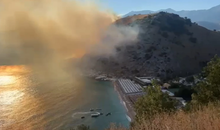
Large fire in Himara, flames engulf the hills of the Llaman area
2026-07-13 19:28:11
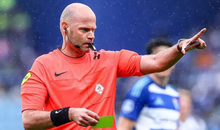
Dutch referee dies, weeks after being banned from 2026 World Cup
2026-07-13 18:22:39
What professions make people the happiest?
2026-07-13 17:51:54
Brazil still in crisis, fans attack Federation after motivational video
2026-07-13 16:42:07
The Special Court returns the file against former mayor Elvis Roshi to SPAK
2026-07-13 16:22:11
IDC-CDI meets in Brussels, Berisha participates as Vice President
2026-07-13 16:05:10
"Washington Examiner": Anger against Rama's enrichment has reached its peak
2026-07-13 14:28:00
Here are the years of imprisonment requested for Monika's mother
2026-07-13 14:09:46
EU appoints German diplomat as new special envoy for Kosovo
2026-07-13 13:55:29

Property alienation in Durrës/ Court confirms security measures for suspects
2026-07-13 13:25:00
70 people with poisoning symptoms in Pristina, 22 hospitalized
2026-07-13 13:16:00


Erkin Lika's lifeless body found after falling into Mat River sinkhole
2026-07-13 12:32:00
Over 500 babies named after Haaland after World Cup matches
2026-07-13 12:28:00
18 arrested in Spain, who is the Albanian known as 'Daci'?
2026-07-13 12:22:00
4.2 million euros for Kanye West, DP reports Rama and Gonxha to SPAK
2026-07-13 11:27:03


Heatwave hits Germany, over 5,400 heat-related deaths
2026-07-10 10:45:33
Land in "foreign hands"
2026-07-10 10:26:15
Mbappe the hero of France, the "Roosters" knock out Morocco in the quarterfinals
2026-07-10 09:54:33
Durrës/ 40-year-old man stabs his wife
2026-07-10 09:48:03
How much could the amount of drug money in the Albanian economy be?!
2026-07-10 09:08:34
Government reduces funds for farmers, increases ADF by 75 million euros
2026-07-10 08:55:46
Horoscope, get to know the star forecast
2026-07-10 08:32:54

Morning Post/ In 2 lines: What mattered yesterday in Albania
2026-07-10 07:52:04
A person was shot dead in Kurbin, first details
2026-07-09 22:54:48
Will the Police also stop those who criticize Rama online?
2026-07-09 21:57:02
FIFA decision shocks England, Quansah ruled out for two matches
2026-07-09 20:51:00
Protest/Pedagogue: 4 million euros for Kanye West is "the next concession"
2026-07-09 19:45:53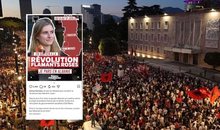
French MEP joins protests in Albania: Support for the "Pink Flamingo Revolution"
2026-07-09 19:28:07

Has the lek strengthened or overvalued?
2026-07-09 17:58:05
The trial on the merits for Ilir Meta and Monika Kryemadhi is postponed
2026-07-09 16:47:58

The match between England and Norway risks being postponed, this is the reason
2026-07-09 16:12:46
Murder in Shkodra/ Relatives: Peaceful family, no problems
2026-07-09 16:10:02
Kurti invites opposition leaders to a meeting to create new institutions
2026-07-09 15:43:05