 Flash News
Foreign exchange, the rate at which foreign currencies are sold and bought
Clear skies throughout Albania, here's what the weather is expected to be like today
Conflict between young people in Fushë-Krujë, 22-year-old injured with knife
Kanye West's state-funded concert, OCCRP: Government accused of using the concert to stifle protests
Here are the years of imprisonment requested for Monika's mother
One year of the Merz government and the approach to the Western Balkans

Politiko
2026-05-06 09:57:25
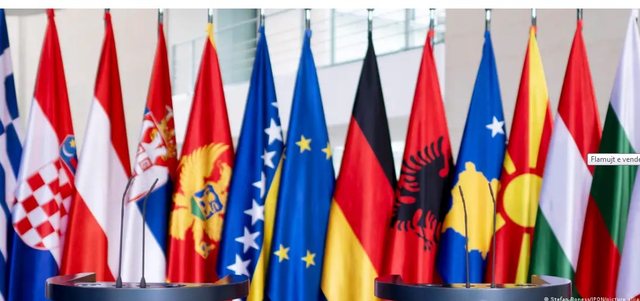
The answers vary depending on who you ask in Berlin. A year after Friedrich Merz's Christian Democratic-Social Democratic government took office, a large majority of citizens are dissatisfied with its performance. But these findings are dominated by issues related to domestic politics, with foreign policy playing no major role.
However, this government, as well as the previous government of the Social Democrat Olaf Scholz, is facing numerous challenges, mainly due to Russian aggression against Ukraine. Added to this are the ongoing crises in the Middle East, which, especially the recent Iran crisis, are increasingly affecting Europe and its largest economy, Germany.
The abolition of the Special Envoy function is a bad signal
In the midst of these existential challenges, the public is paying little attention to Berlin's relations with the Western Balkans. Observers of Berlin's relations with the South-Eastern European region immediately noticed that the new government abolished the function of the German government's Special Envoy for the Western Balkans, established during the previous government. This position was held by the Green Party politician Manuel Sarrazin. During his tenure, the region was regularly on the list of German foreign policy priorities, as evidenced by the numerous agreements signed during this period as part of the Berlin Process.
The new government abolished this function, explaining that it was a matter of austerity measures that had been implemented in all ministries, including the Foreign Ministry. But the new function would not fit into the new concept of foreign policy, which after many years is in the hands of one party. Foreign policy is now a joint project of the Chancellor's office and the Foreign Ministry under the leadership of Merz's close associate from the same party, the Christian Democratic Union (CDU), Johann Wadephul.
Continuity policy
Although the new government initially raised scepticism about the continuity of the Western Balkans policy by abolishing the function of the Special Commissioner for the Western Balkans, the tour of the new Foreign Minister Johann Wadephul in the region tried to allay these fears. Peter Beyer, a representative of the ruling CDU and a member of the Bundestag's foreign policy committee, believes that the government of Friedrich Merz has continued to keep the Western Balkans at the centre of foreign policy priorities.
"Në vitin e parë të mandatit të Friedrich Merz qeveria gjermane vazhdoi politikën e viteve të mëparshme ndaj Ballkanit Perëndimor dhe me vizitën e rëndësishme të Ministrit të Jashtëm në gjashtë vendet e Ballkanit Perëndimor theksoi qartë rëndësinë strategjike të rajonit. Pikërisht në dritën e tensioneve gjeopolitike, veçanërisht për shkak të ndikimit rus, Ballkani Perëndimor është më shumë se kurrë në fokusin e politikës së jashtme gjermane”, tha Beyer i pyetur nga DW.
Megjithatë ai insiston se nuk bëhet fjalë vetëm për vazhdimësinë e politikës së qeverisë së mëparshme, por për politikën, themelet e së cilës i hodhi kancelarja kristiandemokrate Angela Merkel, me gurthemelin Procesin e Berlinit.
Berlini pa një rol kryesues
Kolegu i tij nga Partia Socialdemokrate (SDP), Adis Ahmetoviç, beson se Gjermania, duke mbështetur vendet e rajonit në rrugën drejt Bashkimit Evropian, duhet të krijojë kushtet për integrim të plotë në sistemin e vlerave euroatlantike.
"Ekziston një vendosmëri e qartë, se ne i shohim gjashtë vendet e Ballkanit Perëndimor si pjesë integrale të BE-së. Për këtë arsye mbështesim veçanërisht Malin e Zi dhe Shqipërinë të konsideruar si kryesues në këtë proces. Por të themi të vërtetën, integrimi i këtyre vendeve në BE duhet të përshpejtohet, duke pasur parasysh sfidat gjeopolitike. Në kohën e rritjes së proteksionizmit dhe nacionalizmit global Evropa duhet të dëshmojë, se ka forcën për të kapërcyer vetveten dhe për të zgjeruar BE-në. Për këtë angazhohet kjo qeveri federale”, tha Ahmetović në një intervistë për DW.
Por analistët janë më skeptikë, kur shohin performancën e qeverisë Merz në procesin e integrimit të rajonit në BE. Marina Vuloviç nga Fondacioni Shkencë dhe Politikë në Berlin flet për një "kurs të matur".
"Edhe pse Gjermania ka vendosur qartë për perspektivën evropiane të rajonit, ajo shpesh orientohet nga stimuj të jashtëm, për shembull iniciativat e Komisionit Evropian apo konteksti gjeopolitik, në vend që të marrë vetë rolin udhëheqës. Ndërsa ministri i Jashtëm me turneun e tij triditor në gjashtë vende tregoi një angazhim më të madh në Ballkanin Perëndimor, kancelari mbetet më i kujdesshëm në deklaratat e tij", mendon Vuloviç.
AfD: Ballkani Perëndimor i rëndësishëm për Gjermaninë dhe Evropën
Një opinion çuditërisht pozitiv për 12 muajt e parë të politikës së Friedrich Merz ndaj Ballkanit Perëndimor vjen nga radhët e partisë së djathtë opozitare Alternativa për Gjermaninë (AfD), e cila zakonisht përfaqëson pozicione diametralisht të kundërta me koalicionin qeverisës, edhe në politikën ndaj Ballkanit Perëndimor.
"Për mendimin tim bilanci i qeverisë gjermane nën Friedrich Merz ndaj vendeve të Ballkanit Perëndimor pas një viti është i përzier. Nga njëra anë duhet theksuar se rajoni politikisht nuk ka dalë krejtësisht jashtë vëmendjes. Iniciativat diplomatike kanë vazhduar, janë zhvilluar bisedime në kuadrin e procesit të Berlinit dhe janë shënuar disa përparime në hapa të caktuar të integrimit drejt Bashkimit Evropian. Pikërisht për sa i përket stabilitetit në Evropën Juglindore, Ballkani Perëndimor mbetet një zonë e rëndësishme e politikës së sigurisë për Gjermaninë dhe Evropën”, thotë për DW , përfaqësues i AfD-së dhe anëtar i grupit parlamentar gjermano-evropianojugor.
Por ai konkludon se Gjermania do të duhet të marrë një rol udhëheqës dhe jo vetëm të reagojë ndaj krizave apo nismave nga Brukseli. “Kur bëhet fjalë për Ballkanin Perëndimor, Gjermanisë i mungon vija e qartë strategjike”, përfundon përfaqësuesi i grupit më të madh parlamentar opozitar në Bundestag.
Lack of clear support for reformist forces
Boris Mijatovic, rapporteur for the opposition Green party, has a largely negative assessment of the effects of Friedrich Merz's government in the Western Balkans. At the same time, he tells DW, countries such as Montenegro, but also Albania and North Macedonia, would urgently need the political support of the German government in implementing the necessary reforms.
Mijatovic, who is often in the region, believes that the German government is not showing enough insight into the increasingly powerful forces that are holding the countries of the region back.
"The foreign policy of the ruling coalition pays very little attention to the fact that in Serbia, as well as in Bosnia and Herzegovina, authoritarian politicians encourage anti-democratic and thus anti-European attitudes. The German government has so far paid just as little attention to the protests in Serbia as it has to the extremely fragile political situation in the Republika Srpska in Bosnia and Herzegovina. Political pressure from Germany is needed here so that these two countries do not slide further," Mijatović concludes.
Nikola Xaviereff from the German Association for Foreign Policy (DGAP) also believes that the Merz government has made no effort to give new impetus in its first year, "neither on the bilateral level nor in the enlargement process," as he tells DW. The only exception is the "symbolic support" for the most likely new member, Montenegro.
"German policy nominally classifies the Western Balkans into four or five of its priorities, but has not shown how this is implemented in policy on the ground: there are no messages towards Serbia, no direction in efforts to accelerate and redefine the EU enlargement model, no new recalibration towards the region, where the US is changing its normative approach to the economy, and in the end they are somehow moving away from promoting liberal solutions for Bosnia and Herzegovina and Kosovo," Xaviereff concludes. DW
Latest news



Speaking multiple languages can keep your brain up to 13 years younger
2026-07-14 09:35:11
Strait of Hormuz becomes key battleground again, oil prices rise
2026-07-14 09:20:09

73.4% of Albanians' out-of-pocket health expenses go to medicines
2026-07-14 09:02:28
Over 10,000 dead from extreme heat wave in Europe, elderly most affected
2026-07-14 08:59:36

Foreign exchange, the rate at which foreign currencies are sold and bought
2026-07-14 08:24:50
The ten challenges Spain must win to eliminate France and Mbappé
2026-07-14 08:04:02


Morning Post/ In 2 lines: What mattered yesterday in Albania
2026-07-14 07:00:35
Ukraine strengthens air defense, Macron announces deal for 16 Rafale jets
2026-07-13 22:26:00
Shkullaku: Qeveria përdori koncertin e Kanye West për të eklipsuar protestën
2026-07-13 22:11:36
Conflict between young people in Fushë-Krujë, 22-year-old injured with knife
2026-07-13 21:47:26

Haaland, the phenomenon of the 2026 World Cup
2026-07-13 20:19:12
Citizens take to the streets again, protest enters 44th day
2026-07-13 20:01:25
Large fire in Himara, flames engulf the hills of the Llaman area
2026-07-13 19:28:11
Dutch referee dies, weeks after being banned from 2026 World Cup
2026-07-13 18:22:39

What professions make people the happiest?
2026-07-13 17:51:54


Brazil still in crisis, fans attack Federation after motivational video
2026-07-13 16:42:07
The Special Court returns the file against former mayor Elvis Roshi to SPAK
2026-07-13 16:22:11
IDC-CDI meets in Brussels, Berisha participates as Vice President
2026-07-13 16:05:10
"Washington Examiner": Anger against Rama's enrichment has reached its peak
2026-07-13 14:28:00
Here are the years of imprisonment requested for Monika's mother
2026-07-13 14:09:46
EU appoints German diplomat as new special envoy for Kosovo
2026-07-13 13:55:29

Property alienation in Durrës/ Court confirms security measures for suspects
2026-07-13 13:25:00
70 people with poisoning symptoms in Pristina, 22 hospitalized
2026-07-13 13:16:00


Erkin Lika's lifeless body found after falling into Mat River sinkhole
2026-07-13 12:32:00
Over 500 babies named after Haaland after World Cup matches
2026-07-13 12:28:00
18 arrested in Spain, who is the Albanian known as 'Daci'?
2026-07-13 12:22:00
4.2 million euros for Kanye West, DP reports Rama and Gonxha to SPAK
2026-07-13 11:27:03




Heatwave hits Germany, over 5,400 heat-related deaths
2026-07-10 10:45:33

Land in "foreign hands"
2026-07-10 10:26:15
Mbappe the hero of France, the "Roosters" knock out Morocco in the quarterfinals
2026-07-10 09:54:33
Durrës/ 40-year-old man stabs his wife
2026-07-10 09:48:03



How much could the amount of drug money in the Albanian economy be?!
2026-07-10 09:08:34
Government reduces funds for farmers, increases ADF by 75 million euros
2026-07-10 08:55:46
Horoscope, get to know the star forecast
2026-07-10 08:32:54

Morning Post/ In 2 lines: What mattered yesterday in Albania
2026-07-10 07:52:04
A person was shot dead in Kurbin, first details
2026-07-09 22:54:48

Will the Police also stop those who criticize Rama online?
2026-07-09 21:57:02


FIFA decision shocks England, Quansah ruled out for two matches
2026-07-09 20:51:00
Protest/Pedagogue: 4 million euros for Kanye West is "the next concession"
2026-07-09 19:45:53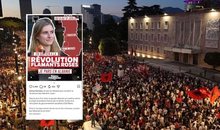
French MEP joins protests in Albania: Support for the "Pink Flamingo Revolution"
2026-07-09 19:28:07


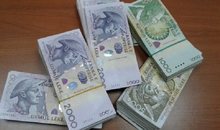
Has the lek strengthened or overvalued?
2026-07-09 17:58:05
The trial on the merits for Ilir Meta and Monika Kryemadhi is postponed
2026-07-09 16:47:58

The match between England and Norway risks being postponed, this is the reason
2026-07-09 16:12:46
Murder in Shkodra/ Relatives: Peaceful family, no problems
2026-07-09 16:10:02
Kurti invites opposition leaders to a meeting to create new institutions
2026-07-09 15:43:05