 Flash News
Foreign exchange, the rate at which foreign currencies are sold and bought
Clear skies throughout Albania, here's what the weather is expected to be like today
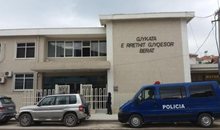
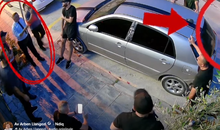
Conflict between young people in Fushë-Krujë, 22-year-old injured with knife
Kanye West's state-funded concert, OCCRP: Government accused of using the concert to stifle protests
Here are the years of imprisonment requested for Monika's mother
Johns Hopkins Professor: Only Money Can Push Serbia to Act on Banjska

Politiko
2026-04-25 14:54:16
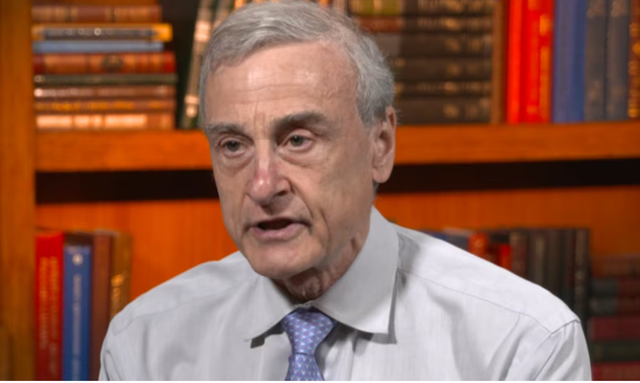
David Kanin, professor of European Studies at Johns Hopkins University in Washington, says that when it comes to the Banjska incident, money is the only language Belgrade truly understands.
According to him, Serbia's leadership will not extradite Milan Radoicic nor take responsibility seriously unless Brussels clearly links EU funds and membership progress to concrete steps on this issue.
"This would not necessarily force [Serbian President Aleksandar] Vucic to do anything, but it would create material costs for Serbia if he did not act," Kanin tells Radio Free Europe.
On April 24, the Basic Court in Pristina sentenced Blagoje Spasojevic and Vladimir Tolic to life imprisonment for the armed attack in Banjska, while Dusan Maksimovic was sentenced to 30 years in prison.
Milan Radoićić, who claimed responsibility for the September 24, 2023 attack, and dozens of other people accused by Kosovo authorities are at large.
Radio Free Europe: First of all, what significance does the decision on Banjska have in the broader context of Kosovo-Serbia relations?
David Kanin: Everything related to Banjska is very important. This incident stands out in the general climate of distrust between the two countries, as well as in the ongoing disagreements over the status of Kosovo. This is the basic context.
Banjska was a separate, violent incident, carried out with Serbian army weapons and personally organized by an important figure in criminal networks, connected to the informal economy among Serbs in the northern part of Kosovo.
This incident is truly significant, and so is this decision.
Radio Free Europe: So, to what extent does this case change the political dynamic between Pristina and Belgrade?
David Kanin: It doesn't change the dynamic between the two sides. It's blocked. But it's the internationals who should pay attention to this decision and the fact that Radoić has admitted to carrying out the attack, leading it, and not trying to hide his role and involvement... He, of course, denies that it's a crime, because for him Kosovo is Serbia.
For me, the international community should pressure Serbia to hand over Radoicic to the Kosovo authorities. This should be a condition for any progress in Serbia's relations with the EU.
Radio Free Europe: What does Serbia's refusal to extradite Radoicic indicate about its stance on accountability and the rule of law?
David Kanin: Accountability is actually a matter for Vučić, his base, and his voters, not international law or any other law.
Ai nuk mund ta dorëzojë Radoiçiqin, sepse nëse e bën këtë, do të përballej me probleme serioze nga krahu i tij nacionalist.
Sipas meje, roli i ndjenjave nacionaliste në Serbi - si një shtyllë e rëndësishme e mbështetjes për Vuçiqin - është nënvlerësuar dhe nuk është kuptuar sa duhet, në krahasim me vëmendjen e madhe që u është kushtuar studentëve dhe krahut civil të opozitës ndaj Vuçiqit.
E përsëris se evropianët duhet ta kushtëzojnë përparimin e mëtejshëm të Serbisë me dorëzimin e Radoiçiqit, për shkak të seriozitetit të incidentit në Banjskë, i cili, qartazi, ka përfshirë pajisje ushtarake serbe, nëse jo edhe personel ushtarak serb.
Radio Evropa e Lirë: Pra, duhet bërë më shumë presion mbi Serbinë...
David Kanin: Për këtë incident, po, për shkak të rëndësisë së tij. Pavarësisht nëse Vuçiq e ka ditur ose jo, ai mban përgjegjësi për atë që vjen nga territori i tij. Ai është president i Serbisë, dhe pajisje të ushtrisë serbe janë përdorur në këtë përpjekje për të bërë çfarëdo që ka qenë synimi - destabilizimi i zonës, marrja e kontrollit të saj, apo çfarëdo tjetër.
Radio Evropa e Lirë: Por, çfarë hapash konkretë duhet të ndërmarrin BE-ja, Shtetet e Bashkuara apo NATO-ja, duke qenë se të gjithë kanë bërë thirrje që Serbia t’i mbajë përgjegjës autorët?
David Kanin: Me një fjalë: paratë. Ato kanë rëndësi tani. Serbia merr shumë para nga BE-ja. Kohët e fundit, dukej sikur BE-ja mund të mbante një qëndrim më të ashpër ndaj financimit të Serbisë, por është tërhequr sërish - gjë që, sipas meje, ka qenë gabim.
Në lidhje me Banjskën, nëse BE-ja dëshiron të marrë ndonjë vëmendje nga Serbia, duhet t’i ndalë paratë. Kjo nuk do ta detyronte domosdoshmërisht Vuçiqin të bënte diçka, por do t’i krijonte Serbisë kosto materiale, nëse ai nuk do të vepronte.
Radio Evropa e Lirë: A ka diçka që SHBA-ja mund të bëjë gjithashtu?
David Kanin: SHBA-ja mungon. SHBA-ja, thjesht, mungon. Ajo është shumë e përfshirë në rrëmujën që kemi krijuar në Lindjen e Mesme. Dhe, shumë pak vëmendje do t’i kushtohet Ballkanit derisa lufta me Iranin vazhdon.
Radio Evropa e Lirë: Kosova e ka kushtëzuar vazhdimin e dialogut me Serbinë me ekstradimin e Radoiçiqit. Sa realist është një kusht i tillë në negociata ndërkombëtare?
David Kanin: Nuk ka dialog aktualisht. Në këtë aspekt është realist, sepse nuk ka ndonjë kosto reale për këtë qëndrim. Nuk është se çështja e Radoiçiqit po e pengon ndonjë proces negociatash. Nuk ka negociata në zhvillim.
Pra, nuk ka kosto për [kryeministrin e Kosovës, Albin] Kurti që e vendos këtë si kusht, sepse, sërish, kusht për çfarë? Nuk ka dialog.
Radio Evropa e Lirë: Nuk ka dialog sepse Kurti ka thënë se nuk do të ketë derisa nuk dorëzohet Radoiçiq...
David Kanin: Nuk ka dialog, sepse të dyja palët nuk pajtohen për çështjen kryesore, që është krijimi i Asociacionit të komunave me shumicë serbe në Kosovë. Kjo është pika qendrore. Gjithçka tjetër sillet rreth kësaj pike qendrore.
The Radoicic case is serious, because the incident in Banjska was violent and has been singled out as a serious attempt to destabilize the situation in northern Kosovo.
But, despite the seriousness of the incident, it does not have a major impact on the central issue of the dialogue, which is the EU's demand for the creation of a body that Kurti argues - and I believe rightly - would turn into a structure under Serbian influence, rather than an integrated part of Kosovo's political system.
Radio Free Europe: Can the EU maintain its role as a credible mediator while such high-profile cases remain unresolved?
David Kanin: The EU's credibility has been significantly reduced on many fronts, frankly. It depends largely on its willingness and ability to make Montenegro a full member by the end of 2028, if it succeeds. This is, practically, the only development that really affects the EU's credibility, along with the issue of funds.
The Kosovo-Serbia dialogue has not been very credible almost from the beginning. Its problems predate Kurti. Kurti simply recognizes the central issue as such and insists that it remain at the center of the process.
Radio Free Europe: We have seen some movements in recent months. The EU representative in the dialogue, Peter Sorensen, has been to Kosovo, to Serbia, to Washington... Do you think something is being cooked up?
David Kanin: No. We have visits. We have had visits before and we will have them again.
But, at the moment, I don't see any concrete or substantial movement from either side - neither from the Europeans, nor from the Americans, who are actually absent, nor from the main parties.
Neither Kosovo nor Serbia are under any real pressure to change the circumstances surrounding this diplomatic stalemate.
Radio Free Europe: Let's go back to the Banjska case. How do you think the court's decision will affect security dynamics, especially in northern Kosovo?
David Kanin: There may be some local issues, maybe some local reaction. I don't think it will have a big impact, because these decisions, in fact, have been expected by all parties. I don't see any big problem.
Also, the convicted persons are minor figures - they are not the main actors, but lower individuals in the hierarchy. The severity of the sentences will receive attention for a short time, I think.
I don't know if anyone will use this as a pretext to create some local provocation in northern Kosovo. I can't say if this will happen. But my assumption is that any problems will remain local and short-term. Of course, I could be wrong, there is always the possibility of escalation of violence. However, I think that, at this moment, it is not in anyone's interest to provoke such an escalation. REL
Latest news



Speaking multiple languages can keep your brain up to 13 years younger
2026-07-14 09:35:11
Strait of Hormuz becomes key battleground again, oil prices rise
2026-07-14 09:20:09

73.4% of Albanians' out-of-pocket health expenses go to medicines
2026-07-14 09:02:28
Over 10,000 dead from extreme heat wave in Europe, elderly most affected
2026-07-14 08:59:36

Foreign exchange, the rate at which foreign currencies are sold and bought
2026-07-14 08:24:50
The ten challenges Spain must win to eliminate France and Mbappé
2026-07-14 08:04:02


Morning Post/ In 2 lines: What mattered yesterday in Albania
2026-07-14 07:00:35
Ukraine strengthens air defense, Macron announces deal for 16 Rafale jets
2026-07-13 22:26:00
Shkullaku: Qeveria përdori koncertin e Kanye West për të eklipsuar protestën
2026-07-13 22:11:36
Conflict between young people in Fushë-Krujë, 22-year-old injured with knife
2026-07-13 21:47:26

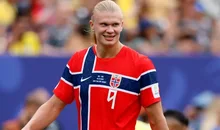
Haaland, the phenomenon of the 2026 World Cup
2026-07-13 20:19:12
Citizens take to the streets again, protest enters 44th day
2026-07-13 20:01:25
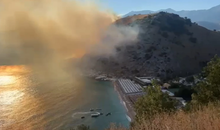
Large fire in Himara, flames engulf the hills of the Llaman area
2026-07-13 19:28:11
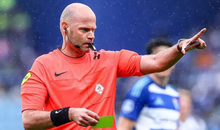
Dutch referee dies, weeks after being banned from 2026 World Cup
2026-07-13 18:22:39

What professions make people the happiest?
2026-07-13 17:51:54
Brazil still in crisis, fans attack Federation after motivational video
2026-07-13 16:42:07
The Special Court returns the file against former mayor Elvis Roshi to SPAK
2026-07-13 16:22:11
IDC-CDI meets in Brussels, Berisha participates as Vice President
2026-07-13 16:05:10
"Washington Examiner": Anger against Rama's enrichment has reached its peak
2026-07-13 14:28:00
Here are the years of imprisonment requested for Monika's mother
2026-07-13 14:09:46
EU appoints German diplomat as new special envoy for Kosovo
2026-07-13 13:55:29

Property alienation in Durrës/ Court confirms security measures for suspects
2026-07-13 13:25:00
70 people with poisoning symptoms in Pristina, 22 hospitalized
2026-07-13 13:16:00


Erkin Lika's lifeless body found after falling into Mat River sinkhole
2026-07-13 12:32:00
Over 500 babies named after Haaland after World Cup matches
2026-07-13 12:28:00
18 arrested in Spain, who is the Albanian known as 'Daci'?
2026-07-13 12:22:00
4.2 million euros for Kanye West, DP reports Rama and Gonxha to SPAK
2026-07-13 11:27:03


Heatwave hits Germany, over 5,400 heat-related deaths
2026-07-10 10:45:33
Land in "foreign hands"
2026-07-10 10:26:15
Mbappe the hero of France, the "Roosters" knock out Morocco in the quarterfinals
2026-07-10 09:54:33
Durrës/ 40-year-old man stabs his wife
2026-07-10 09:48:03

How much could the amount of drug money in the Albanian economy be?!
2026-07-10 09:08:34
Government reduces funds for farmers, increases ADF by 75 million euros
2026-07-10 08:55:46
Horoscope, get to know the star forecast
2026-07-10 08:32:54

Morning Post/ In 2 lines: What mattered yesterday in Albania
2026-07-10 07:52:04
A person was shot dead in Kurbin, first details
2026-07-09 22:54:48
Will the Police also stop those who criticize Rama online?
2026-07-09 21:57:02


FIFA decision shocks England, Quansah ruled out for two matches
2026-07-09 20:51:00
Protest/Pedagogue: 4 million euros for Kanye West is "the next concession"
2026-07-09 19:45:53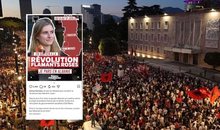
French MEP joins protests in Albania: Support for the "Pink Flamingo Revolution"
2026-07-09 19:28:07


Has the lek strengthened or overvalued?
2026-07-09 17:58:05
The trial on the merits for Ilir Meta and Monika Kryemadhi is postponed
2026-07-09 16:47:58
The match between England and Norway risks being postponed, this is the reason
2026-07-09 16:12:46
Murder in Shkodra/ Relatives: Peaceful family, no problems
2026-07-09 16:10:02
Kurti invites opposition leaders to a meeting to create new institutions
2026-07-09 15:43:05