 Flash News
Foreign exchange, the rate at which foreign currencies are sold and bought
Clear skies throughout Albania, here's what the weather is expected to be like today
Conflict between young people in Fushë-Krujë, 22-year-old injured with knife
Kanye West's state-funded concert, OCCRP: Government accused of using the concert to stifle protests
Here are the years of imprisonment requested for Monika's mother
Serbia remains silent on FBI criticism: How did the Chinese citizen wanted by the US escape?

Politiko
2026-05-16 10:29:22
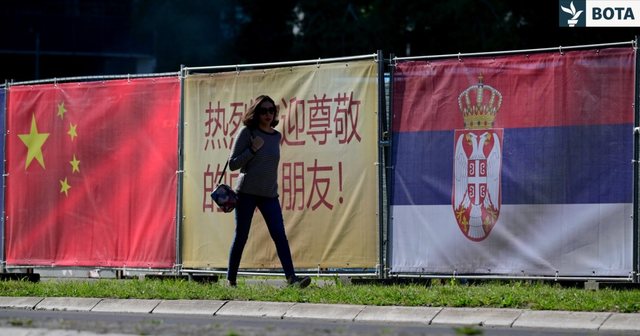
Xu Zewei, a Chinese national who the United States has accused of hacking American research on COVID-19, was extradited to the US in late April from Italy.
Such a scenario was avoided by Chinese citizen Cui Guanghai, after he escaped from house arrest in Belgrade.
He was detained at the request of American authorities due to accusations of stalking a Chinese artist living in the US.
Later, in the US he was also accused of attempting to smuggle military equipment to China.
The Director of the US Federal Bureau of Investigation (FBI), Kash Patel, specifically mentioned Serbia as one of the countries that, instead of extraditing Chinese citizens to the US, returns them to China.
During a hearing in the US Senate on May 12, Patel, explaining the visit to Milan, said that a high-level cybercriminal with ties to the Chinese Communist Party was being held there.
"We managed to secure an agreement for that person to be deported from Italy instead of being returned to China, as has often happened in countries like Serbia," he said.
Serbian institutions did not respond to Radio Free Europe's question regarding FBI chief Patel's claim made to the US Congress.
Meanwhile, Srdjan Cvijic from the non-governmental organization Belgrade Center for Security Policy told Radio Free Europe that this is a very bad signal for Serbia.
He stressed that when the FBI director mentions a country to Congress in the context of China, extraditions and security threats, this is "not a passing diplomatic concern."
"This means that that country has entered the American security discourse as a problematic actor," he assessed.
Serbia, as a candidate country for membership in the European Union, maintains close relations and has political, economic, and military cooperation with China, despite warnings from Brussels and Washington.
China is engaged in infrastructure projects in Serbia, loans are taken from Chinese banks, while in recent years Serbia has intensified its purchase of Chinese weapons.
The FBI director did not mention names or specific cases before the US Congress when he spoke about Serbia.
But, speaking on April 28 to Fox News regarding the extradition of Xu Zewei from Italy, he said that there had been a case when, in 2025, a Chinese citizen was detained in Serbia.
He added that he ultimately "returned to China, despite US efforts to secure his extradition."
In September 2025, it became known that, after removing their electronic bracelets from house arrest in Belgrade, Chinese citizen Guanghai and British citizen John Miller had escaped.
Sipas Departamentit amerikan të Drejtësisë, ata dyshohen se “kanë koordinuar dhe udhëhequr një komplot për të frikësuar dhe kërcënuar një qytetar të Los Anxhelosit, i cili kishte kritikuar publikisht presidentin kinez Xi Jinping”.
Pas arratisjes së tyre, Gjykata e Lartë në Beograd urdhëroi shpalljen e tyre në kërkim.
Rasti i arratisjes mbetet ende i pazbardhur.
Ministria e Punëve të Brendshme e Serbisë nuk iu përgjigj pyetjes së REL-it nëse të dy e kanë lëshuar territorin e Serbisë dhe si ka qenë e mundur të arratiseshin ndërsa ishin nën mbikëqyrje, përmes byzylykëve elektronikë.
Po ashtu, autoritetet nuk janë përgjigjur nëse ata janë duke u kërkuar.
Media hulumtuese BIRN raportoi në nëntor të vitit 2025 se vetëm një orë pasi Guanghai dhe Miller u zhdukën, nga aeroporti i Beogradit drejt Pekinit ishte nisur një avion privat i një kompanie kineze.
As Ambasada e Kinës në Beograd nuk iu përgjigj pyetjes së REL-it nëse kishte qenë në kontakt me Guanghai dhe Miller që nga momenti i arratisjes dhe nëse kishte marrë pjesë në çfarëdo mënyre në largimin e tyre nga Serbia.
Sërxhan Cvijiq nga Qendra e Beogradit për Politikat e Sigurisë, tha se përmendja e Serbisë në Kongres tregon se për SHBA-në ky rast po bëhet diçka “shumë më serioze sesa një keqkuptim diplomatik”.
“Për ta, kjo është pjesë e një çështjeje më të gjerë: nëse Serbia është një vend që bashkëpunon me SHBA-në në frenimin e ndikimit kinez, represionit transnacional dhe transferit të paligjshëm të teknologjisë, apo një vend që në momentet kyç u jep përparësi marrëdhënieve me Pekinin”, tha ai.
Autoritetet në Serbi, që nga ardhja në pushtet e Partisë Progresive Serbe (SNS) në vitin 2012, kanë zhvilluar intensivisht marrëdhëniet me Kinën dhe udhëheqësin kinez, Xi Jinping.
Udhëheqësit e të dy vendeve i përshkruajnë marrëdhëniet mes shteteve si “miqësi prej çeliku”.
Nga ana tjetër, Kina për SHBA-në, siç tha Cvijiq, paraqet sfidën qendrore në aspektin e sigurisë, teknologjisë, ekonomisë, inteligjencës dhe gjeopolitikës.
Për këtë arsye, shtoi ai, është veçanërisht e rrezikshme që Serbia në këtë kontekst të lidhet me Kinën në Kongresin amerikan.
“Nëse Serbia në Uashington fillon të shihet si një vend ku shtetasit kinezë, të kërkuar nga drejtësia amerikane, mund të shmangin ekstradimin në SHBA dhe të përfundojnë në Kinë ose të zhduken nga procesi juridik, atëherë kjo dëmton drejtpërdrejt besimin ndaj Beogradit”, shtoi ai.
Cvijiq vlerësoi se rasti i arratisjes së shtetasit kinez nuk flet vetëm për një dështim në sistemin e sigurisë, por për një model shumë më të thellë të sjelljes së shtetit të Serbisë.
Kjo tregon, sipas tij, edhe selektivitet në sjelljen e autoriteteve serbe, kështu që kur SHBA-ja kërkon persona të lidhur me operacione kineze, ata arratisen nga arresti shtëpiak.
“Kur Rusia ose Bjellorusia ndjekin disidentët e tyre, institucionet serbe papritur dinë të jenë shumë bashkëpunuese, shumë të shpejta dhe shumë të ashpra”, tha ai.
Belarusian activist and journalist Andrej Gnyot spent a year in detention in Serbia awaiting a decision on his extradition to Minsk.
After the detention order was lifted, he left Serbia on October 31, 2024.
Serbia also has a problematic history of extraditing Turkish citizens to Turkey, despite calls from the United Nations to refrain from extraditions.
Serbian President Aleksandar Vučić repeatedly says that for Serbia, in addition to China and Russia, good relations with the US and the EU are equally important.
Serbia is one of the Western Balkan countries that is a candidate for EU membership, but in recent years it has stagnated and lagged behind in the integration process.
One of the reasons for this is the lack of harmonization with the EU's foreign and security policy./ REL
Latest news



Speaking multiple languages can keep your brain up to 13 years younger
2026-07-14 09:35:11
Strait of Hormuz becomes key battleground again, oil prices rise
2026-07-14 09:20:09

73.4% of Albanians' out-of-pocket health expenses go to medicines
2026-07-14 09:02:28
Over 10,000 dead from extreme heat wave in Europe, elderly most affected
2026-07-14 08:59:36

Foreign exchange, the rate at which foreign currencies are sold and bought
2026-07-14 08:24:50
The ten challenges Spain must win to eliminate France and Mbappé
2026-07-14 08:04:02


Morning Post/ In 2 lines: What mattered yesterday in Albania
2026-07-14 07:00:35
Ukraine strengthens air defense, Macron announces deal for 16 Rafale jets
2026-07-13 22:26:00
Shkullaku: Qeveria përdori koncertin e Kanye West për të eklipsuar protestën
2026-07-13 22:11:36
Conflict between young people in Fushë-Krujë, 22-year-old injured with knife
2026-07-13 21:47:26


Haaland, the phenomenon of the 2026 World Cup
2026-07-13 20:19:12
Citizens take to the streets again, protest enters 44th day
2026-07-13 20:01:25

Large fire in Himara, flames engulf the hills of the Llaman area
2026-07-13 19:28:11


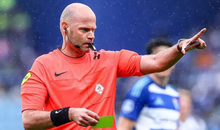
Dutch referee dies, weeks after being banned from 2026 World Cup
2026-07-13 18:22:39

What professions make people the happiest?
2026-07-13 17:51:54
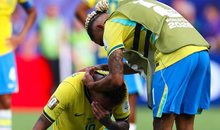
Brazil still in crisis, fans attack Federation after motivational video
2026-07-13 16:42:07
The Special Court returns the file against former mayor Elvis Roshi to SPAK
2026-07-13 16:22:11
IDC-CDI meets in Brussels, Berisha participates as Vice President
2026-07-13 16:05:10
"Washington Examiner": Anger against Rama's enrichment has reached its peak
2026-07-13 14:28:00
Here are the years of imprisonment requested for Monika's mother
2026-07-13 14:09:46
EU appoints German diplomat as new special envoy for Kosovo
2026-07-13 13:55:29


Property alienation in Durrës/ Court confirms security measures for suspects
2026-07-13 13:25:00
70 people with poisoning symptoms in Pristina, 22 hospitalized
2026-07-13 13:16:00


Erkin Lika's lifeless body found after falling into Mat River sinkhole
2026-07-13 12:32:00
Over 500 babies named after Haaland after World Cup matches
2026-07-13 12:28:00
18 arrested in Spain, who is the Albanian known as 'Daci'?
2026-07-13 12:22:00
4.2 million euros for Kanye West, DP reports Rama and Gonxha to SPAK
2026-07-13 11:27:03




Heatwave hits Germany, over 5,400 heat-related deaths
2026-07-10 10:45:33
Land in "foreign hands"
2026-07-10 10:26:15
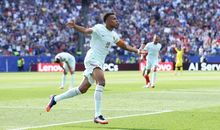
Mbappe the hero of France, the "Roosters" knock out Morocco in the quarterfinals
2026-07-10 09:54:33
Durrës/ 40-year-old man stabs his wife
2026-07-10 09:48:03



How much could the amount of drug money in the Albanian economy be?!
2026-07-10 09:08:34
Government reduces funds for farmers, increases ADF by 75 million euros
2026-07-10 08:55:46
Horoscope, get to know the star forecast
2026-07-10 08:32:54

Morning Post/ In 2 lines: What mattered yesterday in Albania
2026-07-10 07:52:04
A person was shot dead in Kurbin, first details
2026-07-09 22:54:48
Will the Police also stop those who criticize Rama online?
2026-07-09 21:57:02

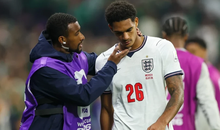
FIFA decision shocks England, Quansah ruled out for two matches
2026-07-09 20:51:00

Protest/Pedagogue: 4 million euros for Kanye West is "the next concession"
2026-07-09 19:45:53
French MEP joins protests in Albania: Support for the "Pink Flamingo Revolution"
2026-07-09 19:28:07


Has the lek strengthened or overvalued?
2026-07-09 17:58:05
The trial on the merits for Ilir Meta and Monika Kryemadhi is postponed
2026-07-09 16:47:58
The match between England and Norway risks being postponed, this is the reason
2026-07-09 16:12:46
Murder in Shkodra/ Relatives: Peaceful family, no problems
2026-07-09 16:10:02
Kurti invites opposition leaders to a meeting to create new institutions
2026-07-09 15:43:05