 Flash News
Foreign exchange, the rate at which foreign currencies are sold and bought
Clear skies throughout Albania, here's what the weather is expected to be like today
Conflict between young people in Fushë-Krujë, 22-year-old injured with knife
Kanye West's state-funded concert, OCCRP: Government accused of using the concert to stifle protests
Here are the years of imprisonment requested for Monika's mother
White House nominates ambassadors to Bosnia, Serbia and Montenegro, but not yet to Kosovo

Politiko
2026-06-02 16:47:14
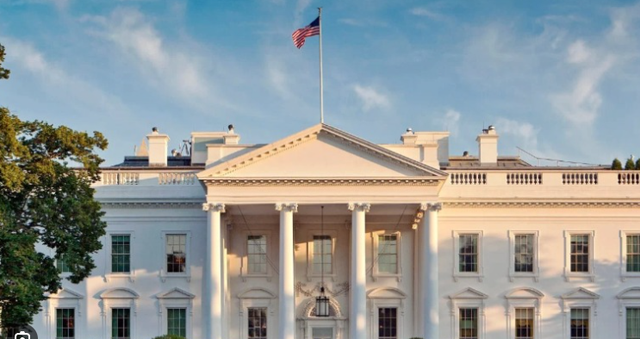
The White House recently nominated ambassadors to Bosnia and Herzegovina, Serbia, and Montenegro.
As announced by the White House, Ronald Johnson from the state of Massachusetts has been nominated for the position of US ambassador extraordinary and plenipotentiary to Bosnia and Herzegovina, reports Free Europe/Radio Liberty. Michael Young from the state of Utah has been nominated for Serbia.
While Peter McCoy from South Carolina has been nominated for Montenegro, these nominations must be confirmed by the US Senate.
Meanwhile, regarding Kosovo, Washington has not yet made any announcement, as the US Embassy in Pristina is currently led by Chargé d'Affaires Anu Prattipati, after the previous ambassador, Jeff Hovenier, completed his three-year mandate at the end of December 2024.
At the end of May of this year, the nominee for US ambassador to Albania, Eric Wendt, appeared before the US Senate Foreign Relations Committee.
Before senators, he outlined his top priorities if elected ambassador, saying they would be protecting American citizens and advancing US interests.
Meanwhile, according to the June 1 announcement, the US has also nominated ambassadors to El Salvador, Azerbaijan, the Kingdom of Cambodia, Equatorial Guinea, Moldova, Indonesia, Bulgaria, the Republic of Trinidad and Tobago, Paraguay, Colombia, Lithuania, Egypt, Brazil, Ecuador, Gambia, Sierra Leone and Kenya.
The procedure for nominating US ambassadors is based on the constitutional principle of "advice and consent" of the Senate.
The president first nominates the candidate for ambassador, who can be a career diplomat or a political appointee. The nomination is then sent to the Senate Foreign Relations Committee, which reviews the nomination.
The committee often holds hearings in which nominees for ambassadorship answer questions from senators about U.S. policy, the country where they will serve as ambassador, and other important topics. The committee votes on the nomination and sends its recommendation to the full Senate.
If the nomination is approved, it is then sent to the Senate for a vote.
Only after the Senate confirms the candidate by a majority vote does the US president officially appoint the ambassador.
The new ambassador then goes to the host country and presents his credentials to the head of state, officially assuming office.
Latest news




Speaking multiple languages can keep your brain up to 13 years younger
2026-07-14 09:35:11
Strait of Hormuz becomes key battleground again, oil prices rise
2026-07-14 09:20:09

73.4% of Albanians' out-of-pocket health expenses go to medicines
2026-07-14 09:02:28
Over 10,000 dead from extreme heat wave in Europe, elderly most affected
2026-07-14 08:59:36

Foreign exchange, the rate at which foreign currencies are sold and bought
2026-07-14 08:24:50
The ten challenges Spain must win to eliminate France and Mbappé
2026-07-14 08:04:02


Morning Post/ In 2 lines: What mattered yesterday in Albania
2026-07-14 07:00:35
Ukraine strengthens air defense, Macron announces deal for 16 Rafale jets
2026-07-13 22:26:00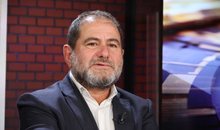
Shkullaku: Qeveria përdori koncertin e Kanye West për të eklipsuar protestën
2026-07-13 22:11:36
Conflict between young people in Fushë-Krujë, 22-year-old injured with knife
2026-07-13 21:47:26



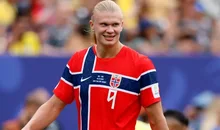
Haaland, the phenomenon of the 2026 World Cup
2026-07-13 20:19:12
Citizens take to the streets again, protest enters 44th day
2026-07-13 20:01:25
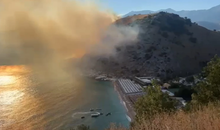
Large fire in Himara, flames engulf the hills of the Llaman area
2026-07-13 19:28:11


Dutch referee dies, weeks after being banned from 2026 World Cup
2026-07-13 18:22:39

What professions make people the happiest?
2026-07-13 17:51:54


Brazil still in crisis, fans attack Federation after motivational video
2026-07-13 16:42:07
The Special Court returns the file against former mayor Elvis Roshi to SPAK
2026-07-13 16:22:11
IDC-CDI meets in Brussels, Berisha participates as Vice President
2026-07-13 16:05:10
"Washington Examiner": Anger against Rama's enrichment has reached its peak
2026-07-13 14:28:00
Here are the years of imprisonment requested for Monika's mother
2026-07-13 14:09:46
EU appoints German diplomat as new special envoy for Kosovo
2026-07-13 13:55:29


Property alienation in Durrës/ Court confirms security measures for suspects
2026-07-13 13:25:00
70 people with poisoning symptoms in Pristina, 22 hospitalized
2026-07-13 13:16:00


Erkin Lika's lifeless body found after falling into Mat River sinkhole
2026-07-13 12:32:00
Over 500 babies named after Haaland after World Cup matches
2026-07-13 12:28:00
18 arrested in Spain, who is the Albanian known as 'Daci'?
2026-07-13 12:22:00

4.2 million euros for Kanye West, DP reports Rama and Gonxha to SPAK
2026-07-13 11:27:03



Heatwave hits Germany, over 5,400 heat-related deaths
2026-07-10 10:45:33
Land in "foreign hands"
2026-07-10 10:26:15

Mbappe the hero of France, the "Roosters" knock out Morocco in the quarterfinals
2026-07-10 09:54:33
Durrës/ 40-year-old man stabs his wife
2026-07-10 09:48:03



How much could the amount of drug money in the Albanian economy be?!
2026-07-10 09:08:34
Government reduces funds for farmers, increases ADF by 75 million euros
2026-07-10 08:55:46
Horoscope, get to know the star forecast
2026-07-10 08:32:54


Morning Post/ In 2 lines: What mattered yesterday in Albania
2026-07-10 07:52:04
A person was shot dead in Kurbin, first details
2026-07-09 22:54:48


Will the Police also stop those who criticize Rama online?
2026-07-09 21:57:02


FIFA decision shocks England, Quansah ruled out for two matches
2026-07-09 20:51:00

Protest/Pedagogue: 4 million euros for Kanye West is "the next concession"
2026-07-09 19:45:53
French MEP joins protests in Albania: Support for the "Pink Flamingo Revolution"
2026-07-09 19:28:07


Has the lek strengthened or overvalued?
2026-07-09 17:58:05
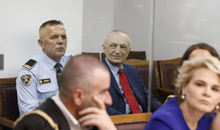
The trial on the merits for Ilir Meta and Monika Kryemadhi is postponed
2026-07-09 16:47:58

The match between England and Norway risks being postponed, this is the reason
2026-07-09 16:12:46
Murder in Shkodra/ Relatives: Peaceful family, no problems
2026-07-09 16:10:02
Kurti invites opposition leaders to a meeting to create new institutions
2026-07-09 15:43:05