 Flash News
Here are the years of imprisonment requested for Monika's mother
"Blackened eyes and pulled out hair"/ Father of the raped 17-year-old: Police took no action
Property alienation in Durrës/ Court confirms security measures for suspects
Details/ Murder of Eglant Koç, the perpetrator hid for 10 days in the Elbasan region
Erkin Lika's lifeless body found after falling into Mat River sinkhole
The message from the MEPJ that stirred up diplomacy, reactions, institutional clashes and similar precedents in diplomacy

Politiko
2026-04-25 10:59:05
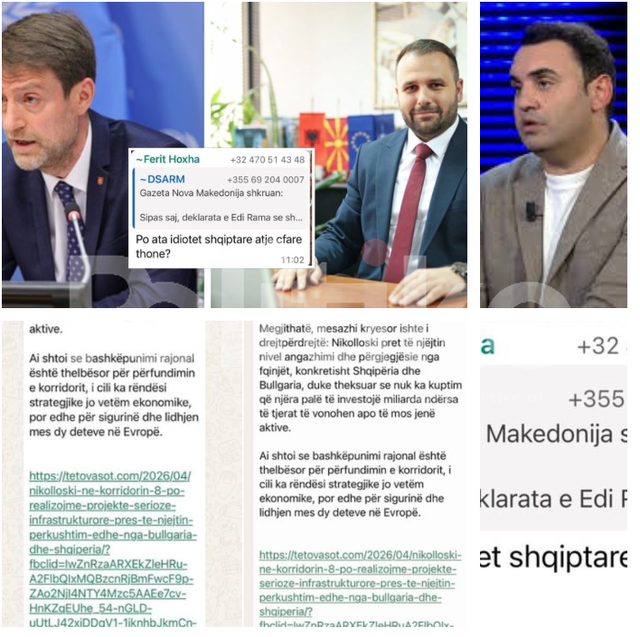
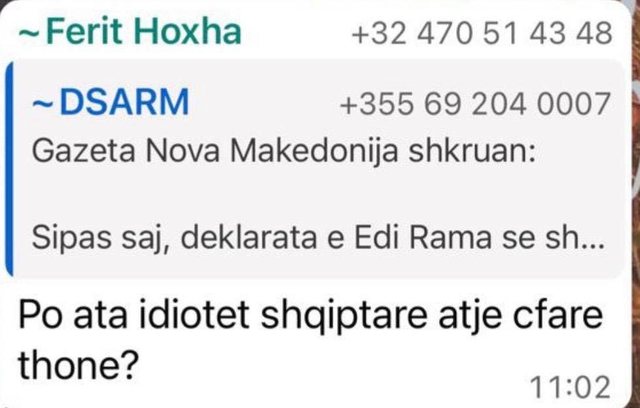
A strong political debate has been sparked after the publication of an alleged communication by the Minister for Europe and Foreign Affairs, Ferit Hoxha, to an internal group of the institution, where, according to the opposition, offensive language is used against Albanians in North Macedonia.
What happened?
In a post on social media, it was initially Democratic MP Belind Këlliçi who published the content of the communication, describing the incident as unacceptable for an official of this level.
He emphasized that the manner of expression, even in internal communications, is indicative of the real attitude towards fellow citizens and cannot be justified under any circumstances.
"It is precisely the communication in a chat group at the Foreign Ministry, between the head and several senior officials, that shows what Ferit Hoxha really thinks about our compatriots in North Macedonia.
The ease with which he expresses himself in this offensive way is, to say the least, arrogance.
This labeling, this vulgar language has so surprised the employees of the Foreign Ministry who are part of this WhatsApp communication group that they have started sharing it.
Ferit Hoxha cannot be a chief diplomat of Tirana if he thinks this way about Albanians.
Even if he were in a limited, controlled audience and with full confidence in confidentiality, a career diplomat who has been entrusted with the management of the Foreign Ministry has no way of using this language. It is unacceptable ," he writes, among other things.
Ministry's Reaction: Fabricated Communications
The Ministry for Europe and Foreign Affairs issued an official statement immediately after the message was published, rejecting the accusations. According to the institution's spokesperson, the published materials are untrue and have no connection to reality.
The response emphasizes that the communications distributed on social networks are "fabricated" and are being used for political purposes, while the ministry expressed regret for their amplification in public discourse.
It was also underlined that this is not the first time that such accusations have been made against the foreign service and that the institution continues to work focused on its duties, without being influenced by, as they called it, "deliberate noise".
Escalation of accusations from the opposition
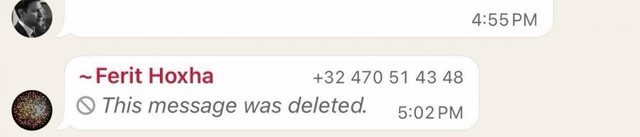
The ministry's reaction did not close the debate. MP Këlliçi reacted again, insisting on his position and accusing the minister of trying to cover his tracks by deleting the message.
Sipas tij, incidenti nuk mund të kalojë pa pasoja dhe përbën një shkelje të rëndë të etikës. Ai pretendoi gjithashtu se brenda institucionit ka pasur reagime nga vetë punonjësit, të cilët janë surprizuar nga gjuha e përdorur.
Këlliçi i bëri thirrje ministrit të japë dorëheqjen, duke e konsideruar këtë si të vetmen mënyrë për të mbrojtur dinjitetin e institucionit dhe për të shmangur dëmtimin e mëtejshëm të imazhit të diplomacisë shqiptare.
Edhe kreu i grupit parlamentar të Partisë Demokratike, Gazment Bardhi, reagoi me tone të forta, duke e cilësuar situatën si të papranueshme për një ministër të Jashtëm.
Sipas Bardhit, fshirja e mesazhit pas publikimit përforcon dyshimet mbi autenticitetin e tij dhe tregon një model sjelljeje që, sipas tij, karakterizon qeverinë: fillimisht përçmim, më pas viktimizim dhe në fund mohim.
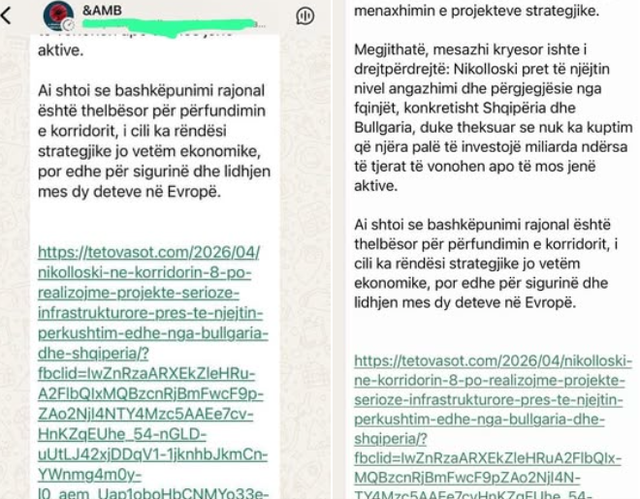
Ai theksoi se një gjuhë e tillë nuk mund të përfaqësojë Shqipërinë dhe kërkoi shkarkimin e menjëhershëm të ministrit, duke i bërë thirrje kryeministrit të marrë përgjegjësi politike për situatën.
Reagim nga Shkupi: kërkohet sqarim dhe falje urgjente
Debati ka kaluar edhe kufijtë e Shqipërisë. Ministri i Ekonomisë dhe Punës i Maqedonisë së Veriut, Besar Durmishi, reagoi publikisht duke e cilësuar gjuhën e përdorur si të papranueshme dhe skandaloze për një përfaqësues shteti.
Ai kërkoi reagim dhe sqarim urgjent nga autoritetet shqiptare, si dhe një kërkim faljeje ndaj shqiptarëve në Maqedoninë e Veriut. Durmishi theksoi se një retorikë e tillë bie ndesh me detyrimet kushtetuese të një ministri dhe cenon dinjitetin e bashkëkombasve jashtë vendit.
"Zhgënjyes dhe i papranueshëm fjalori i Ministrit të Jashtëm të Shqipërisë, z. Ferit Hoxha, i cili i quan shqiptarët e Maqedonisë së Veriut “idiotë”. Presim reagim dhe sqarim urgjent nga Tirana zyrtare, ndërsa Ministri Hoxha duhet t’u kërkojë falje shqiptarëve të Maqedonisë së Veriut për ofendimet e bëra.
Kjo lloj gjuhe shkel çdo kodeks etik e profesional dhe është skandaloze për një përfaqësues shteti. I kujtojmë z. Hoxha se e ka obligim kushtetues të kujdeset për bashkëkombasit e vet që jetojnë jashtë kufijve të Shqipërisë. Shqiptarët e Maqedonisë së Veriut nuk janë fqinj nga projekti i dashur i Tiranës zyrtare Open Balkan, por pjesë e pandashme e trungut kombëtar.
Në të njëjtën kohë, zhgënjen edhe heshtja e ambasadorit shqiptar në Shkup, z. Denion Meidani, i cili në vend se të reagojë ndaj fjalorit të tillë, ka zgjedhur ta bëjë zëdhënësin e disa partive politike në Maqedoninë e Veriut", shkruan ministri Durmishi.
Reagime në media dhe opinion publik
Edhe në media dhe rrjete sociale ka pasur reagime të shumta. Gazetari Naser Selmani ka komentuar se deklarata, nëse është e vërtetë, ngre shqetësime serioze për mënyrën se si perceptohen shqiptarët në rajon dhe për nivelin e përfaqësimit politik.
The legal context, what is foreseen in such cases?
Although an internal communication does not automatically constitute a criminal offense, it can have serious administrative and institutional consequences.
The Law on Foreign Service and the Code of Ethics of the Public Administration require that senior officials maintain dignified language and avoid any statement that harms the image of the state.
The Constitution of Albania provides for the obligation of institutions to protect the interests and dignity of Albanians wherever they are.
In international practice, such statements are considered a violation of diplomatic ethics and can lead to resignation or dismissal.
Similar cases, precedents in diplomacy
Similar cases are not lacking in international diplomacy:
In 2019, the British ambassador to the US resigned after leaked diplomatic cables contained critical comments about the US administration.
In several European countries, ministers or diplomats have been forced to resign after making offensive or inappropriate statements in private communications that were made public.
In the region, too, scandals involving wiretapping or internal messages have led to political tensions and demands for accountability.
These cases show that even non-public communications can have major consequences if they violate ethics and institutional trust.
A crisis of trust and standards
The debate over Minister Hoxha's alleged message is not only a political clash, but also a test of standards of responsibility in diplomacy.
While the opposition demands resignation and an investigation, the government denies any accusations. In the absence of an independent verification, the issue remains open, but with visible consequences in the political climate and in relations with Albanians abroad./ Politiko.al
Latest news

IDC-CDI meets in Brussels, Berisha participates as Vice President
2026-07-13 16:05:10
"Washington Examiner": Anger against Rama's enrichment has reached its peak
2026-07-13 14:28:00
Here are the years of imprisonment requested for Monika's mother
2026-07-13 14:09:46
EU appoints German diplomat as new special envoy for Kosovo
2026-07-13 13:55:29

Property alienation in Durrës/ Court confirms security measures for suspects
2026-07-13 13:25:00
70 people with poisoning symptoms in Pristina, 22 hospitalized
2026-07-13 13:16:00


Erkin Lika's lifeless body found after falling into Mat River sinkhole
2026-07-13 12:32:00
Over 500 babies named after Haaland after World Cup matches
2026-07-13 12:28:00
18 arrested in Spain, who is the Albanian known as 'Daci'?
2026-07-13 12:22:00
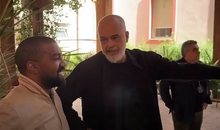
4.2 million euros for Kanye West, DP reports Rama and Gonxha to SPAK
2026-07-13 11:27:03



Heatwave hits Germany, over 5,400 heat-related deaths
2026-07-10 10:45:33
Land in "foreign hands"
2026-07-10 10:26:15

Mbappe the hero of France, the "Roosters" knock out Morocco in the quarterfinals
2026-07-10 09:54:33
Durrës/ 40-year-old man stabs his wife
2026-07-10 09:48:03


How much could the amount of drug money in the Albanian economy be?!
2026-07-10 09:08:34
Government reduces funds for farmers, increases ADF by 75 million euros
2026-07-10 08:55:46
Horoscope, get to know the star forecast
2026-07-10 08:32:54

Morning Post/ In 2 lines: What mattered yesterday in Albania
2026-07-10 07:52:04
A person was shot dead in Kurbin, first details
2026-07-09 22:54:48


Will the Police also stop those who criticize Rama online?
2026-07-09 21:57:02


FIFA decision shocks England, Quansah ruled out for two matches
2026-07-09 20:51:00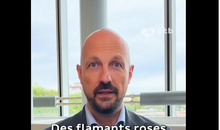
Protest/Pedagogue: 4 million euros for Kanye West is "the next concession"
2026-07-09 19:45:53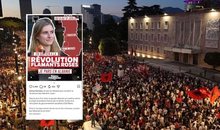
French MEP joins protests in Albania: Support for the "Pink Flamingo Revolution"
2026-07-09 19:28:07


Has the lek strengthened or overvalued?
2026-07-09 17:58:05
The trial on the merits for Ilir Meta and Monika Kryemadhi is postponed
2026-07-09 16:47:58

The match between England and Norway risks being postponed, this is the reason
2026-07-09 16:12:46
Murder in Shkodra/ Relatives: Peaceful family, no problems
2026-07-09 16:10:02
Kurti invites opposition leaders to a meeting to create new institutions
2026-07-09 15:43:05


This is the 62-year-old man who killed his wife in Shkodra
2026-07-09 15:01:43

Domestic crime/ Wife killed with shotgun, perpetrator and victim identified
2026-07-09 14:05:18
Gunfire in Shkodra, one victim suspected
2026-07-09 13:49:41
Weapons cache discovered in Fier, Prosecution sends 38-year-old to trial
2026-07-09 13:35:48

Bota e muzikës në zi, ndahet nga jeta në moshën 75-vjeçare ikona Bonnie Tyler
2026-07-09 12:56:29
Monika Kryemadhi in the Criminal Court: The cell phone was seized illegally
2026-07-09 12:45:54
VALEN MP reacts after border detention: Albania is no one's property
2026-07-09 12:15:44
Albanian gang in Belgium sentenced for trafficking 7 tons of cocaine
2026-07-09 12:01:14
Justin Bieber, Shakira and Madonna to perform at 2026 World Cup final
2026-07-09 11:52:54
Euro falls, inflation rises and domestic production loses ground
2026-07-09 11:39:36
Trial at the GJKKO, Meta's new lawyer appears in the session
2026-07-09 11:29:47
Nighttime accident in Gramsh, man and woman injured
2026-07-09 11:20:25
Meta seeks 134 witnesses, GJKKO delivers decision today
2026-07-09 10:56:54

At the peak of the production season, vegetable prices 'fly'
2026-07-09 10:21:14
The African heat returns, the thermometer reaches 40 degrees this weekend
2026-07-09 10:08:08
Opinions from 'anonymous' authors target Flamingo protests
2026-07-09 10:07:15
MEP Waitz: The law on protected areas endangers Albania's path to the EU
2026-07-09 09:52:55
"Le Courrier des Balkans": Edi Rama and the megalomania of power
2026-07-09 09:40:26
The economics of concerts, the prime minister's imaginary 100 million euros
2026-07-09 09:28:19
Erdogan's strange gift to NATO leaders
2026-07-09 09:11:15

Foreign exchange, the rate at which foreign currencies are sold and bought
2026-07-09 08:30:41
“Uniteti i jashtëzakonshëm” i NATO-s dhe mesazhet kryesore nga samiti në Turqi
2026-07-09 08:11:17

Horoskopi, njihuni me parashikim e yjeve
2026-07-09 07:46:15
Alternime kthjellimesh e vranësirash, parashikimi i motit
2026-07-09 07:25:59
Posta e mëngjesit/ Me 2 rreshta: Çfarë pati rëndësi dje në Shqipëri
2026-07-09 07:02:12