 Flash News
52-year-old British citizen sentenced to 2 years in prison for building hotel without a permit in Ksamil
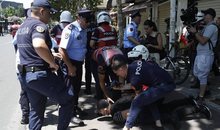
Violence against protesters, Albanian Helsinki Committee: Police used disproportionate force, we demand an investigation
DP takes to the Constitutional Court the dismissal of the investigative commissions for the National Infrastructure Agency and roads
Switzerland secures qualification for the 2026 World Cup round of 16
Another request for Balluk's arrest? Braho: I can tell you two things...
How the “Flamingo Revolution” is changing Rama’s international image

Politiko
2026-07-04 11:20:26
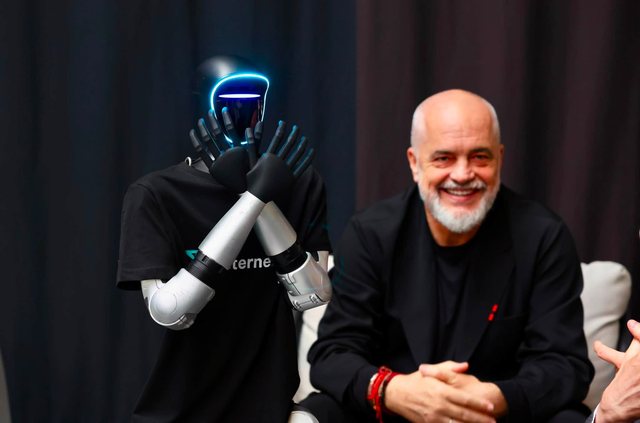
On July 1, Prime Minister Edi Rama appeared as a guest of honor in Bochum, Germany, while below his office on "Dëshmorët e Kombit" boulevard in Tirana, thousands of protesters have been demanding his resignation for a month.
Rama participated as a speaker at the "RuhrSUMMIT" - one of the important start-up and innovation forums in the German state of North Rhine-Westphalia, while he was also welcomed at the meeting by Hendrik Wüst, the president-minister of the state.
The contrast between the image in domestic politics and that on the international stage has accompanied Rama throughout his long years as prime minister – an image that, as veteran German journalist Walter Mayr says, has been skillfully polished, if not fabricated, to present him as the "progressive face of Albania."
For a month, the international image of the "artist prime minister", rooted in hundreds of foreign newspaper and magazine articles over the last decade, seems to have been shaken by the movement now widely known as the "Flamingo Revolution" - where tens of thousands of protesters oppose his governance as based on corruption, arrogance and clientelism.
However, Mayr thinks that the perception of Rama on the international stage has not changed enough.
“Albania as a whole, including all the claims and accusations related to Rama and his inner circle, continues to be treated as a secondary issue on the international agenda,” said Mayr, who in 2024 published an analysis in Der Spiegel titled “Why has the European Union turned a blind eye to Edi Rama?”
For this argument, he takes as an example Rama's last three visits to Germany in the period May-July, in activities that he considers prestigious.
"Regarding his way of governing, it seems to me that the gap between public opinion in Albania, on the one hand, and that in the main EU countries, on the other, has never been greater than it is today," Mayr emphasized.
In Albania, the perception is different.
The increased international media attention on the "Flamingo Revolution" is increasingly painting a reality that bypasses the narrative previously dictated by Rama and focuses on the essence of these protests; opposition to a corrupt governing system.
Journalist Andi Bushati, publisher of Lapsi.al, sees the protest as the moment that directly influenced this change in perception, while emphasizing that Albania has returned to the map of global attention like rarely before since the 1990s.
“Duke prekur vetë realitetin në terren, gazetarët e huaj panë që kjo nuk është parajsa e drejtuar nga një lider i shquar, siç e etiketoi Edi Ramën ish- sekretari i shtetit Blinken, por një vend me një rini të pakënaqur, një vend ku gjithçka varet nga vendimarrja e një njeriu të vetëm, një vend ku zhvillimi nuk kuptohet dot pa fuqinë e parave të pista të narkotrafikut,” thotë Bushati.
Sipas tij, ishte pikërisht kjo ‘revoltë’ që i dha mundësinë mediave ndërkombëtare të grisnin klishenë e një Edi Rame modern dhe reformator, për të skicuar atë të një ‘autokrati ballkanik’.
“Kapërcimi nga imazhi i liderit modern dhe reformator në atë të një autokrati ballkanik që ka nxjerë Shqipërinë në shitje për të qëndruar vetë sa më gjatë në pushtet i detyrohet katërcipërisht revolucionit të Flamingove,” shtoi ai.
Edhe gazetari Lutfi Dervishi beson se protestat kanë krijuar një ‘çarje serioze’ në narrativën ndërkombëtare të Edi Ramës.
Sipas tij, për vite me radhë ai ka shitur me sukses imazhin e liderit modern, artistit në politikë, reformatorit pro-perëndimor, politikanit jo korrekt dhe i pranuar si i tillë.
“Por protestat e fundit e kanë zhvendosur vëmendjen nga qasja estetike te pyetjet politike: transparenca, korrupsioni, kapja e pasurive publike dhe modeli i zhvillimit,” tha Dervishi.
Sipas tij, po ndodh një zhvendosje narrative nga figura tërheqëse e “kryeministrit- piktor” tek lideri që shtyn përpara projekte të mëdha në zona të mbrojtura, përballë protestës qytetare.
“Mediat ndërkombëtare nuk po e lexojnë më vetëm Ramën si ekscentrik ballkanik me atlete, tuta dhe batuta, por si një lider të kontestuar për mënyrën si ushtron pushtetin,” tha Dervishi, ndërsa shtoi se është po ashtu meritë e protestave që e kanë përkthyer në gjuhë ndërkombëtare “problemin shqiptar të klientelizmit, betonizimit dhe mungesës së llogaridhënies”.
Pasojat politike
“Revolucioni i Flamingove” ka hapur tashmë një dritare edhe në Parlamentin Europian, ku një grup deputetësh të partive të Gjelbra zbritën në Tiranë dhe morën pjesë në protestë, disa ditë pasi me propozim të tyre, Parlamenti votoi një amendament përmes së cilit kërkohet që Shqipëria të vendosë një moratorium për ndërtimet në zonat e mbrojtura.
Deputetët e Parlamentit Europian ikën nga Tirana me premtimin se do të çonin zërin e protestuesve në instancat drejtuese të BE-së. Megjithatë, protestat nuk u shoqëruan me ndonjë ndryshim qëndrimi të Brukselit apo vendeve anëtare në raport me qeverinë shqiptare dhe kryeministrin Edi Rama.
Për Andi Bushatin, kjo është vetëm çështje kohe.
Ai gjykon se protestat i kanë dëmtuar Ramës legjitimitetin në arenën ndërkombëtare dhe se efekti i këtij ekspozimi “nuk kufizohet vetëm në perceptimin publik, por mund të ndikojë gradualisht edhe në mënyrën se si kancelaritë perëndimore do ta shohin qeverinë shqiptare”.
"In one way or another, this will also affect the way Western chancelleries will view the Tirana regime," said Bushati, arguing that the media react first and precede the chancelleries' change of stance.
According to him, even chancelleries satisfied with the "status quo" will face public opinion in their countries.
Lutfi Dervishi estimates that the political consequences of this new narrative will be more gradual and that Rama's international capital will not disappear immediately, but will be devalued.
"Western partners are usually pragmatic, they don't make a political divorce over a protest, but they become more cautious when a government is seen as a problem for the standards that the EU itself requires: rule of law, public consultation, environmental protection and transparency," he said.
This, according to Dervishi, could bring more pressure and more conditions to the integration process.
"In other words, Rama can continue to be a partner, but no longer the partner who is automatically trusted just because he knows how to speak English well and make fun of Brussels bureaucrats," Dervishi concluded. Reporter.al
Latest news

"Rama no longer inspires", Marjana Koçeku for BBC: It took me time to understand
2026-07-04 11:58:37
Well-known actor Koço Qëndro passes away at the age of 99
2026-07-04 11:37:09
How the “Flamingo Revolution” is changing Rama’s international image
2026-07-04 11:20:26
Business raises concerns about governance, informality and EU integration
2026-07-04 10:43:19

Between celebration and protest for resignation, Edi Rama's different birthday
2026-07-04 10:08:35


Famous actress appointed as MP in Syria's new parliament, goes viral online
2026-07-04 09:16:02

July 4, the holiday that changed US history: How Independence Day was born
2026-07-04 08:36:41
Will he move to Chelsea? Granit Xhaka breaks his silence
2026-07-04 08:24:00
Morning Post/ In 2 lines: What mattered yesterday in Albania
2026-07-04 07:59:44
Iran bids farewell to Khamenei with five-day ceremony
2026-07-03 21:21:47

34th protest in Tirana, citizens march towards the Prime Minister's Office
2026-07-03 20:01:03
Ndryshe nga Rama, Meloni tërhiqet nga projekti i resortit në Sardenjë
2026-07-03 19:42:56
Vala e të nxehtit në Belgjikë shkakton rritje të ndjeshme të vdekjeve
2026-07-03 19:19:53
29-year-old woman found drowned at sea in Vlora
2026-07-03 18:41:21
Just a handful a day, the snack that helps your heart and intestines
2026-07-03 16:56:53
FIFA clarifies Croatia's goal against Portugal disallowed
2026-07-03 16:35:35
Video/ Scorching heat gives way to bad weather, hail storm hits Elbasan
2026-07-03 16:01:29
Granit Pepnikaj arrested in Dhërmi, wanted for Call Center fraud
2026-07-03 15:27:26
Nga projekti fantazmë i inicineratorit të Tiranës u zhdukën 99 milionë euro
2026-07-03 15:13:15


Switzerland secures qualification for the 2026 World Cup round of 16
2026-07-03 13:59:42

Sky News: Protests have turned into demonstrations against the Rama government
2026-07-03 12:54:57
Another request for Balluk's arrest? Braho: I can tell you two things...
2026-07-03 12:06:43
Balliu meets arrested protesters: They were more motivated than ever not to stop
2026-07-03 11:36:05

Ronaldo scores in the knockout stages for the first time at the World Cup
2026-07-03 09:51:37

One-fifth of young people neither in work nor in school by 2025
2026-07-03 08:41:13
Check out the weather forecast for today.
2026-07-03 08:20:51
Morning Post/ In 2 lines: What mattered yesterday in Albania
2026-07-03 07:58:40
"Resignation is not an option", Rama clashes with DW journalist over protests
2026-07-02 22:00:21
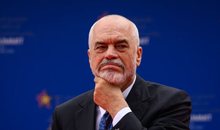

Rama's MP calls protesters "scoundrels": The government did not provoke them
2026-07-02 20:57:40
Protesta/ Ambasada e SHBA në Tiranë paralajmëron qytetarët: Tregoni kujdes
2026-07-02 20:36:13
Hitaj urdhëron ‘mbylljen’ e kufirit për protestën e 4 korrikut
2026-07-02 20:21:14
A 27-year-old Albanian man in Italy died in a workplace accident
2026-07-02 19:04:38
Boçi: Violence against protesters shows the panic of a government on the run
2026-07-02 18:48:02

He spent 6 thousand dollars to see Messi, but was left outside the stadium
2026-07-02 18:17:30
Lawyer: Police implemented illegal orders, protesters should be released
2026-07-02 17:49:37
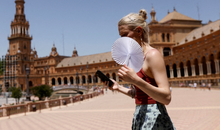
Barcelona equips employees with smart bracelets to monitor heat
2026-07-02 16:59:48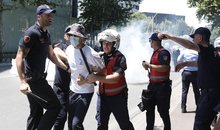
Violent gatherings, 4 protesters held in custody
2026-07-02 16:44:20
Uncontrolled artificial intelligence in the Western Balkans
2026-07-02 16:22:13
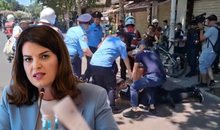
Tirana Incinerator/ SPAK takes Mërtir, Zoto and 12 defendants to trial
2026-07-02 15:25:50
The end of a legend! Manuel Neuer bids farewell to Germany
2026-07-02 15:11:46

'Digital Lightning': Edi Rama's targeting of protesters raises concerns
2026-07-02 14:09:04
Suspect in Velipoja massacre escapes, police searching for Hasan Ferracak
2026-07-02 13:34:19
Balla attacks protesters: A group of social and political garbage
2026-07-02 13:16:48

Plenary session ends, protesters throw eggs at cars of SP MPs and ministers
2026-07-02 12:20:26